
How To
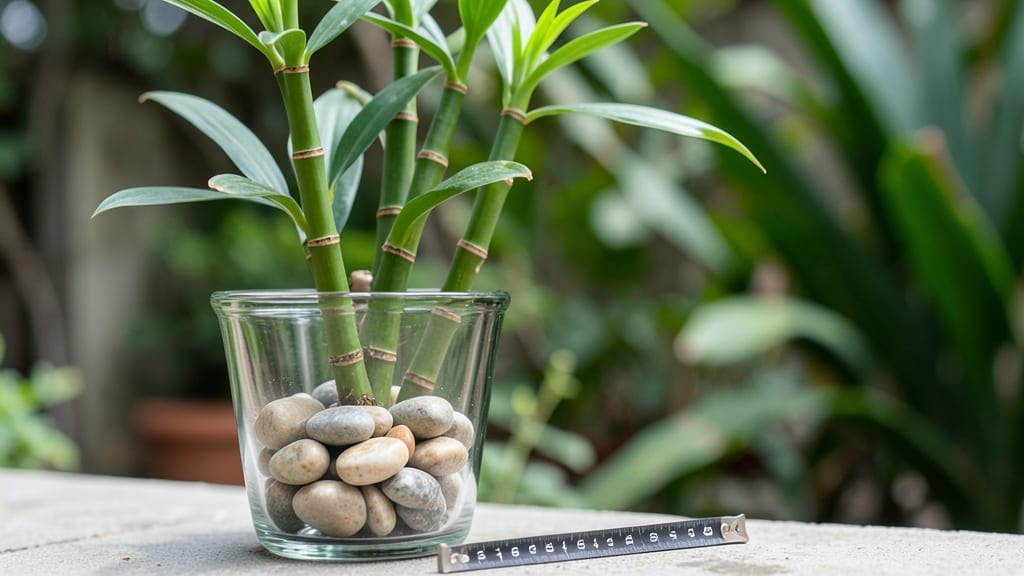
Curious about how tall your bamboo can grow in pots? The answer isn’t just about the plant—it’s about the container you choose and the variety you pick. With the right approach, you can enjoy lush, 🌿 bamboo that stays within your space’s limits while thriving.
Many gardeners assume bamboo will always reach for the sky, but dwarf varieties like Bambusa multiplex stay under 6 feet, making them perfect for patios or balconies. The key lies in understanding how pot size, root restriction, and pruning work together to control height without sacrificing health.
If you’re dreaming of a compact green screen but worried about runaway growth, you’re in the right place. I’ll break down the most important factors—from selecting the right species to mastering care techniques—that keep bamboo manageable in containers.
Let’s explore how to balance aesthetics and plant health so your bamboo stays the perfect height for your space. You’ll discover practical tips to avoid common mistakes and keep your 6a-zone-friendly bamboo looking its best year-round.


Bamboo height limits in pots: variety-specific growth charts
Bamboo’s height in pots varies dramatically by variety and container size. While some species can reach 15+ feet in large pots, others stay under 5 feet—making them perfect for patios or balconies.
The key difference lies in whether the bamboo is clumping (non-invasive) or running (aggressive spreaders). Clumping types like Fargesia are ideal for pots, while running types like Phyllostachys require strict root control.
Pot size also plays a critical role. A 15-gallon container may support a 6-foot dwarf bamboo, but the same pot will struggle with a 12-foot variety. Root-bound conditions force bamboo to grow upward rather than outward, but this can stress the plant if not managed properly.
Always use pots with drainage holes and well-draining soil to prevent root rot, which can stunt growth entirely.
Here’s how three common bamboo types perform in pots, including their mature heights and ideal container sizes:
| Variety | Type | Mature Height (ft) | Ideal Pot Size | Notes |
|---|---|---|---|---|
| Bambusa multiplex 'Tiny Arrows' | Clumping | 3–6 ft | 10–15 gallons | Cold-hardy, great for small spaces |
| Fargesia robusta | Clumping | 4–8 ft | 15–20 gallons | Tolerates shade, slow-growing |
| Phyllostachys aureosulcata | Running | 10–15 ft | 30+ gallons | Requires root barriers, fast growth |
| Borinda fastuosa | Clumping | 5–7 ft | 15–25 gallons | Drought-tolerant, compact |
For running bamboo, height control demands extra effort. Without a root barrier or regular root pruning, these varieties can quickly outgrow their containers, leading to stunted growth or even plant death.
I’ve found that burying a plastic root barrier around the pot’s edge (just below soil level) can reduce rhizome spread by up to 70% while still allowing the plant to grow vertically.
Another critical factor is pruning frequency. Tall bamboo varieties in pots benefit from annual pruning in late winter or early spring to remove dead or overcrowded canes. This encourages new, healthy growth and prevents the plant from becoming top-heavy.
Avoid cutting back more than 30% of the foliage at once, as this can shock the plant and reduce its ability to photosynthesize.
Light exposure also influences height. While bamboo thrives in partial sun (4–6 hours daily), too little light can lead to leggy, weak growth, while too much direct sun can scorch leaves. Place pots in east-facing windows or under dappled shade (like under a tree canopy) for balanced growth.
In my experience, Fargesia varieties handle shade better than Bambusa, making them ideal for indoor or north-facing container gardens.
Finally, fertilizing strategies can tweak height outcomes. A balanced 10-10-10 fertilizer applied every 4–6 weeks during the growing season (spring to fall) promotes steady, controlled growth. Over-fertilizing with high-nitrogen mixes can lead to rapid but weak growth, increasing the risk of breakage.
Always water thoroughly after fertilizing to prevent root burn, which can further limit the plant’s height potential.
If you’re aiming for a specific height, start with a dwarf variety and monitor growth closely. Even with the best care, some bamboo will outgrow its pot—so always have a plan for repotting or pruning before purchasing.
With the right approach, you can enjoy bamboo’s lush greenery without sacrificing your patio space! 🌿
Bamboo height limits in pots: variety-specific growth charts
Bamboo’s height in pots is highly variable—some varieties stay under 5 feet while others can reach 15 feet or more, depending on the species and container size. The key difference lies between clumping bamboo (non-invasive) and running bamboo (aggressive spreaders).
Clumping types like Bambusa multiplex thrive in pots, while running types (e.g., Phyllostachys) need strict root control to prevent overgrowth.
Pot size plays a critical role in height regulation. A 15-gallon container can support dwarf varieties like Bambusa ventricosa (4 ft tall), but larger pots (30+ gallons) are needed for taller species like Phyllostachys aureosulcata, which can hit 10–15 feet in ideal conditions.
Root-bound stress naturally limits vertical growth, but this also signals the need for repotting every 2–3 years.
| Variety | Type | Mature Height (ft) | Ideal Pot Size | Growth Rate |
|---|---|---|---|---|
| Bambusa multiplex 'Tiny Arrows' | Clumping | 3–6 ft | 15–20 gallons | Moderate |
| Fargesia robusta (Robust Fountain Bamboo) | Clumping | 3–4 ft | 10–15 gallons | Slow |
| Phyllostachys aureosulcata (Yellow Groove Bamboo) | Running | 10–15 ft | 30+ gallons | Fast |
| Borinda fastuosa (Dwarf Bamboo) | Clumping | 3–5 ft | 10–15 gallons | Slow |
| Bambusa ventricosa (Ventricose Bamboo) | Clumping | 4–6 ft | 20–25 gallons | Moderate |
For running bamboo, height control requires root barriers or rhizome pruning every spring. Without these measures, even dwarf varieties can outgrow their pots in 3–5 years. Clumping bamboo, however, is far more forgiving—simply repot every 2–3 years to refresh the soil and prevent root congestion.
Light exposure also affects height: partial sun (4–6 hours/day) promotes compact growth, while full sun can accelerate vertical expansion. Place pots near east- or west-facing windows for balanced light without overheating the roots. Avoid deep shade, which weakens stems and reduces height control.
Pro tip: If your bamboo exceeds your desired height, prune the tallest canes in early spring to redirect energy to lateral growth. Use clean, sharp shears to cut 1/3 of the height just above a node. This encourages bushier foliage and slower vertical growth over time.
Remember, dwarf varieties aren’t always low-maintenance. Even compact types need well-draining soil and consistent moisture to stay healthy. Neglect can lead to leggy growth, defeating the purpose of container cultivation.