
How To
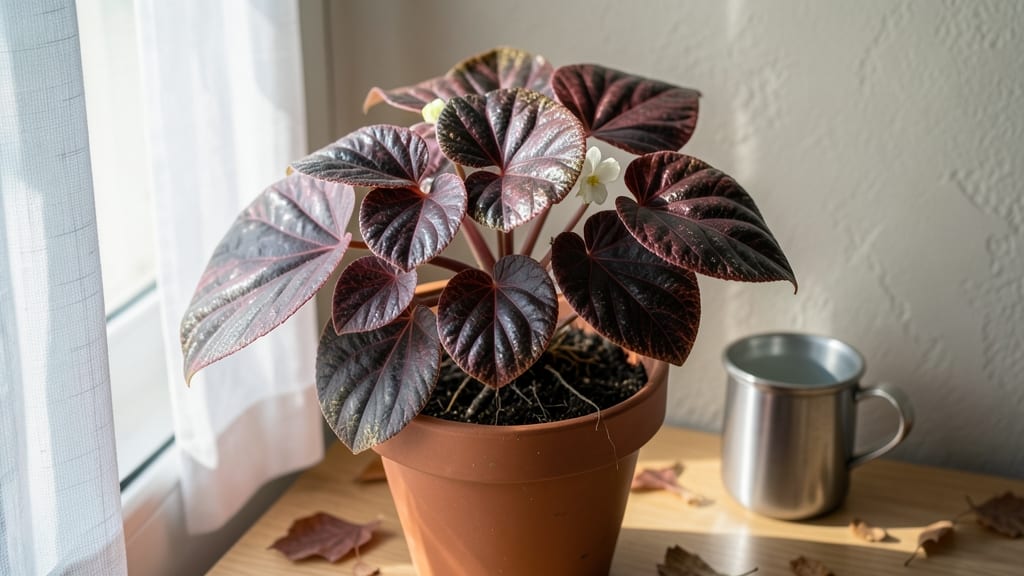
Wondering how tall does begonia grow before it becomes unruly in your garden or containers? These vibrant 🌸 beauties come in surprisingly diverse sizes—some stay neatly compact while others cascade like living waterfalls.
If you’re working with limited space, you’ll love knowing that many begonias top out at just 6 to 12 inches, making them perfect for windowsills, hanging baskets, or small pots. But don’t let their size fool you—some varieties stretch up to 3 feet when given the right conditions.
What makes the difference? It’s all about the type—whether you’re growing a bushy Begonia semperflorens or a trailing Begonia boliviensis. Light, soil, and even your pruning habits play a huge role in shaping their growth.
Let’s break down the exact heights you can expect from popular begonias and how to keep them thriving in your space—no matter how big (or small) you want them to be.


Begonia height variations: compact vs. trailing types explained
When planning your garden or container arrangements, understanding begonia height variations is key to choosing the right variety for your space. Begonias generally fall into three height categories: dwarf (6–12 inches), standard (12–24 inches), and trailing (12–36 inches).
These differences aren’t just about aesthetics—they also influence how you care for and display your plants.
For example, dwarf begonias like Begonia semperflorens are perfect for windowsills or small pots, while trailing types like Begonia boliviensis cascade beautifully from hanging baskets. Even within these ranges, growth habits can vary based on species, light exposure, and care practices.
Here’s how to visualize these differences—because knowing the exact mature height helps you avoid overcrowding or underutilized space.
Begonia Height Summary Table
| Type | Height Range | Growth Habit | Best For |
|---|---|---|---|
| Dwarf Begonias | 6–12 inches | Upright, compact | Windowsills, small pots |
| Standard Begonias | 12–24 inches | Bushy, medium height | Beds, medium containers |
| Trailing Begonias | 12–36 inches | Vining, cascading | Hanging baskets, shelves |
| Tuberous Begonias | 18–36 inches | Upright, sturdy stems | Garden beds, large pots |
Note: Heights can vary based on light, care, and variety.
The dwarf varieties are ideal if you’re working with limited vertical space, like a sunny windowsill or a small balcony. They’re also great for indoor gardening because they don’t outgrow their containers quickly.
On the other hand, trailing begonias thrive when given room to spread, making them perfect for adding vertical interest to shelves or railings.
Light plays a crucial role in determining how tall your begonia will grow. While most begonias prefer partial shade (4–6 hours of indirect light daily), some varieties—like Begonia rex—can tolerate lower light conditions but may grow more slowly.
If you notice your begonia stretching toward light or growing leggy, it’s a sign it needs more bright, indirect sunlight.
Another factor to consider is the root type. Fibrous-rooted begonias (like B. semperflorens) stay compact, while tuberous varieties (like B. tuberhybrida) can reach taller heights with sturdy stems. This distinction is important if you’re choosing between container gardening and in-ground planting.
For gardeners in USDA Zone 6a or warmer, begonias can often be grown outdoors during the growing season. However, if you’re in a cooler climate, opt for compact or trailing types that can be brought indoors before the first frost.
This way, you can enjoy their vibrant blooms year-round without worrying about height constraints.
Pro tip: If you’re unsure about a begonia’s mature size, check the plant tag or research the specific cultivar. Some nurseries even label plants with height expectations, which can save you from guessing. And remember, regular pruning and pinching can help control growth and encourage bushier, fuller plants.
Begonia height variations: compact vs. trailing types explained
When planning your garden or container displays, knowing how tall begonias grow helps you choose the perfect varieties for your space. Begonias come in three main growth categories: dwarf types, standard varieties, and trailing types. Each thrives in different settings, from windowsills to hanging baskets.
The smallest begonias—like the popular Begonia semperflorens—stay between 6 to 12 inches tall, making them ideal for windowsill gardens or small pots. These compact beauties are perfect for adding color without taking up much room.
| Begonia Type | Height Range | Best For |
|---|---|---|
| Dwarf Varieties | 6–12 inches | Containers, windowsills, small gardens |
| Standard Types | 12–24 inches | Beds, borders, larger pots |
| Trailing Types | 12–36 inches (spread) | Hanging baskets, vertical gardens |
For trailing begonias, think of varieties like Begonia boliviensis, which can grow 12 to 36 inches long when trained to cascade. These are perfect for hanging planters or vertical garden setups, where their vines spill over edges gracefully.
Even the tallest begonias rarely exceed 3 feet, making them versatile for almost any space.
Light and care also influence height. Partial shade encourages bushier growth, while too much sun can stunt some varieties. For example, Begonia rex stays compact under indirect light but may stretch if placed in bright, direct sunlight. Always match your begonia’s needs to its environment for the best results.
If you’re growing begonias in containers, choose a pot size that accommodates their mature height. A 6-inch pot works for dwarf types, while 10-12 inch pots suit standard or trailing varieties. Repotting every 2-3 years ensures roots have room to grow without crowding.
Understanding these height variations lets you design a garden that’s both functional and stunning. Whether you love tiny windowsill displays or dramatic hanging cascades, begonias adapt beautifully to your space—just pick the right type for your vision! 🌿