
How To
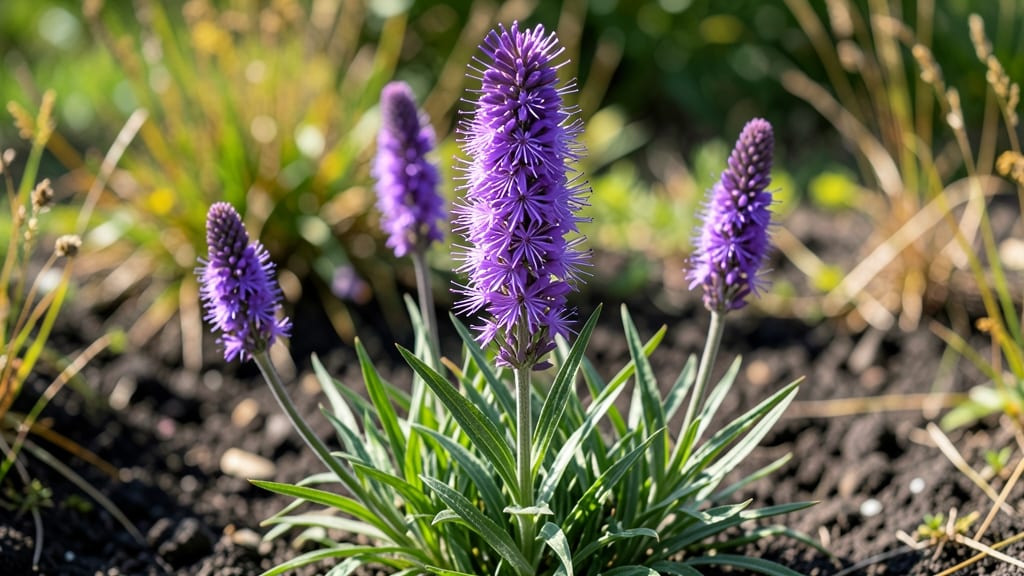
If you're wondering how tall Blazing Star grows, the answer might surprise you—this stunning 🌸 perennial can reach heights from just 1 foot to a towering 5 feet, depending on the variety and growing conditions.
For gardeners in USDA Zone 6a, where early spring planting sets the stage for summer blooms, understanding these height ranges is key. Whether you're planning a pollinator-friendly border or a small container garden, knowing the mature size helps you avoid overcrowding or wasted space.
Some varieties, like the compact 'Kobold,' stay under 2 feet, making them perfect for small gardens or front-of-border displays. On the other hand, standard types like Liatris spicata can shoot up to 5 feet, ideal for back-of-border drama or cut flower arrangements.
Ready to learn how to optimize spacing, support taller varieties, and choose the best Blazing Star for your space? Let's dive into the details so your garden thrives with these eye-catching perennials.


Blazing star height by species: tallest varieties vs. compact options
Blazing star (Liatris spp.) offers a stunning range of heights, from dwarf varieties perfect for containers to towering spikes that dominate borders. Understanding these differences helps you choose the right cultivar for your garden design—whether you need pollinator-friendly hedges or cut-flower stalks for arrangements.
Most species reach their mature height by year 3, but growth rates vary by climate and soil conditions.
The tallest blazing star varieties like Liatris spicata (common blazing star) can soar to 4–5 feet tall, while dwarf selections like 'Kobold' stay under 2 feet. Even within the same species, height differences of 1–2 feet are common due to genetic variations and growing conditions.
For example, cooler climates often produce slightly shorter plants, while hot, dry regions may encourage taller growth as the plant stretches for moisture.
Here’s how blazing star heights break down by species and cultivar—plus how to use them in your garden design:
| Species/Cultivar | Mature Height | Best For | Growth Rate |
|---|---|---|---|
| Liatris spicata (Common Blazing Star) | 3–5 ft | Borders, cut flowers, pollinator meadows | Moderate (1–2 ft/year) |
| Liatris pycnostachya (Prairie Blazing Star) | 2–4 ft | Wildflower gardens, xeric landscapes | Slow (6–12 in/year) |
| Liatris ligulistylis (Prairie Blazing Star) | 1.5–3 ft | Rock gardens, small spaces | Slow (4–8 in/year) |
| 'Kobold' (Dwarf Cultivar) | 1–2 ft | Containers, windowsill gardens | Moderate (8–12 in/year) |
| 'Floristin' (Tall Hybrid) | 4–5 ft | Cut flower arrangements, tall borders | Fast (1.5–2 ft/year) |
The tallest blazing star varieties, like 'Floristin,' are perfect for back-of-border plantings or as dramatic focal points in cottage gardens. Their vertical structure also makes them ideal for cut-flower arrangements, where their long-lasting blooms (up to 10 days in a vase) add height and texture.
For smaller gardens, dwarf cultivars like 'Kobold' thrive in containers or window boxes, spilling over edges with compact purple spikes.
Seasonal height fluctuations are normal—blazing star often drops 10–20% of its height after flowering as stems dry out. This natural die-back is part of its perennial lifecycle and signals the plant’s readiness for winter dormancy.
To preserve height, deadhead spent blooms in late summer, but avoid cutting back until early spring to protect overwintering buds.
If you’re growing blazing star in cooler climates (USDA Zones 3–5), expect 10–15% shorter heights compared to warmer regions. The plant’s growth energy shifts toward root development in colder areas, while hot, dry climates may produce taller but thinner stems.
To counteract this, amend soil with compost and mulch heavily in spring to encourage sturdy growth.
For container gardening, choose dwarf varieties like 'Kobold' and use 5-gallon pots with well-draining mix. Even tall varieties can thrive in containers if you plant them deeply (bury 2/3 of the root ball) and stake them early to prevent flopping.
Just remember: container-grown blazing star may bloom 2–3 weeks later than in-ground plants due to root restriction.
Pro tip: Pair tall blazing star with shorter perennials like black-eyed Susans or coneflow
Blazing star height by species: tallest varieties vs. compact options
Blazing star (Liatris spp.) offers a stunning range of heights, from dwarf varieties perfect for containers to towering spikes reaching 5 feet. The species you choose directly impacts your garden's design—whether you're creating a pollinator meadow or a structured border.
Let's break down the height ranges by popular cultivars to help you plan.
Most gardeners focus on three key species: Liatris spicata (common blazing star), Liatris pycnostachya (dense blazing star), and Liatris ligulistylis (prairie blazing star). Each has distinct growth habits that respond differently to soil conditions and sunlight exposure.
For example, L. spicata typically matures between 3 to 5 feet tall, while L. pycnostachya stays more compact at 1.5 to 3 feet.
| Variety | Mature Height | Growth Rate | Best For |
|---|---|---|---|
| Liatris spicata (Common Blazing Star) | 3–5 ft | Moderate (1–2 ft/year) | Borders, cut flowers |
| 'Kobold' (Dwarf) | 1–2 ft | Slow (6–12 in/year) | Containers, rock gardens |
| Liatris pycnostachya (Dense Blazing Star) | 1.5–3 ft | Fast (1 ft/year) | Prairie gardens, pollinator plots |
| 'Floristin' (Tall Hybrid) | 4–5 ft | Moderate (1–1.5 ft/year) | Back of borders, dried arrangements |
| Liatris ligulistylis (Prairie Blazing Star) | 2–4 ft | Variable (0.5–1.5 ft/year) | Native landscapes, meadows |
Notice how taller varieties like 'Floristin' often need staking in windy areas to prevent flopping, while dwarf types like 'Kobold' thrive in containers or tight spaces. Even within a species, height can vary by 1–2 feet depending on your USDA hardiness zone—cooler climates may yield slightly shorter plants.
For first-year growth, expect blazing star to reach only 10–30% of its mature height. For example, a L. spicata plant might top out at 1–2 feet in its first season but surge to 4 feet by year three with proper care.
This gradual growth makes it easier to plan companion plants like coneflowers or black-eyed Susans that mature faster.
Pro tip: If you're growing blazing star in partial shade, expect heights to shrink by 20–30%. The plant relies on sunlight to fuel its vertical growth, so full-sun locations yield the tallest, most robust spikes.
Always check your local microclimate conditions—even a shaded corner can affect height dramatically.
🌸