
How To
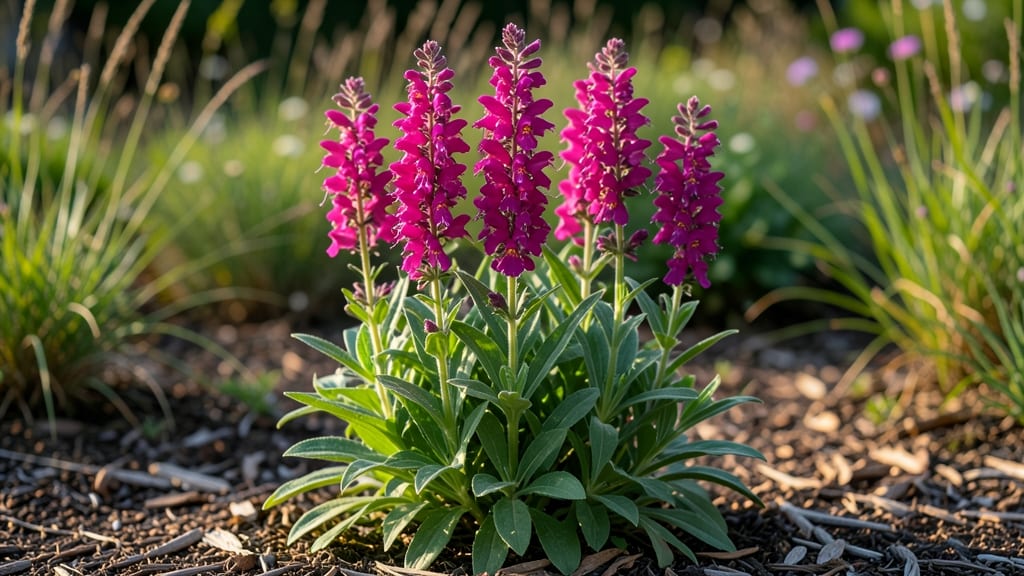
If you're planning a vibrant flower bed and wondering how tall does penstemon grow, you're about to discover the perfect spacing secrets for a showstopping display.
This cheerful 🌸 beauty comes in sizes from dainty 8-inch dwarfs to towering 4-foot spikes, making it incredibly versatile for gardeners of all styles.
The key to maximizing your penstemon's height potential lies in understanding its variety and growing conditions. Some varieties like 'Red Rocks' stay compact, while others like 'Bee Balm Penstemon' reach impressive heights.
I'll show you exactly how to choose the right spacing for each type to ensure full, healthy blooms all season long.
Proper spacing isn't just about aesthetics - it directly impacts how well your penstemon thrives. Crowding can stunt growth, while giving them room to breathe promotes stronger stems and more abundant flowers.
Whether you're working with dwarf varieties or tall spikes, I'll give you the precise measurements you need for a thriving garden bed.
Let's explore how to create the perfect environment for your penstemon to reach its full potential, from sunlight requirements to soil preparation. You'll learn the simple tricks that make all the difference in achieving that lush, professional-looking flower bed you've been dreaming of.


Penstemon height and growth habits by variety: tall vs compact types
When planning your penstemon flower bed, understanding each variety's mature height is crucial for creating a balanced, thriving display. Penstemon species range from compact ground covers to towering spike-like perennials, with most falling between 6 inches and 5 feet at maturity.
This diversity means your spacing and design choices will vary dramatically depending on the type you choose.
For example, dwarf varieties like 'Red Rocks' or 'Garden Pink' typically max out at 12-18 inches, making them perfect for rock gardens or border edges.
Meanwhile, tall varieties such as 'Bee Balm Penstemon' or 'Prairie Fire' can reach 3-5 feet, ideal for back-of-bed planting or cut flower arrangements. Knowing these differences helps you avoid overcrowding or underutilized space.
Here’s how penstemon growth habits break down by category, including their ideal garden placement and bloom characteristics:
| Variety Type | Mature Height | Spread | Bloom Season | Best For |
|---|---|---|---|---|
| Dwarf Varieties | 8–18 inches | 12–18 inches | Late spring–early summer | Rock gardens, borders, containers |
| Semi-Dwarf | 1–2 feet | 18–24 inches | Mid-spring–summer | Mixed borders, pollinator gardens |
| Standard Tall | 2–4 feet | 24–36 inches | Late spring–fall | Back of beds, cut flowers, wildflower meadows |
| Spike Varieties | 3–5 feet | 18–24 inches | Summer–early fall | Tall garden backdrops, pollinator habitats |
The growth rate of penstemon also varies by variety. Dwarf types often reach maturity in their first year, while taller varieties may take 2-3 years to fully develop. For instance, 'Husker Red' can grow 1-2 feet in its first season but may add another foot or more in subsequent years.
This gradual growth makes penstemon an excellent perennial choice for long-term garden planning.
Another key factor affecting penstemon height is growing conditions. Plants grown in full sun (6+ hours daily) and well-draining soil will naturally reach their full potential height. In contrast, shady conditions or poor soil can stunt growth by up to 30-50%.
For example, a 'Prairie Fire' penstemon might only reach 2 feet in partial shade instead of its 4-foot maximum.
If you're designing a pollinator garden, taller varieties like 'Rocky Mountain Penstemon' (up to 4 feet) attract hummingbirds and bees with their bright tubular flowers.
Pair these with dwarf varieties like 'White Mountain' (12 inches) to create a multi-tiered display that maximizes both visual interest and ecological benefits. The contrast in heights also adds depth to your garden, making it feel more dynamic.
For container gardening, opt for compact or semi-dwarf varieties to avoid overcrowding. A 12-inch pot can comfortably hold 3-5 dwarf penstemon plants, while a 18-inch pot can accommodate 1-2 semi-dwarf types.
Always ensure your container has drainage holes to prevent root rot, as penstemon hates soggy soil. Mixing penstemon with succulents or lavender creates a low-maintenance, drought-tolerant combo perfect for patios or balconies.
Pro tip: If you're unsure about a variety's mature height, check the plant tag or nursery description—many now include growth projections
Penstemon height and growth habits by variety: tall vs compact types
Penstemon plants are prized for their vibrant blooms and drought tolerance, but their height varies dramatically depending on the variety. Most penstemon species reach a mature height of 1 to 3 feet, creating stunning cascades of color in garden beds.
However, some varieties stretch as tall as 5 feet, while dwarf types stay under 12 inches. Understanding these differences helps you plan spacing and design layouts that maximize blooms.
For example, 'Red Rocks' Penstemon is a compact variety that tops out at 12-18 inches, perfect for borders or container gardens.
On the other end, 'Bee Balm Penstemon' (Penstemon digitalis) can grow 3-5 feet tall, making it ideal for the back of flower beds or as a focal point. Even within the same species, growth habits can differ—some varieties grow upright, while others sprawl, affecting how much space they need.
Growth habits also impact bloom production. Taller varieties often produce more flowers but require sturdier stems to support their height. Compact types may have smaller blooms but thrive in tighter spaces. Choosing the right variety for your garden’s layout ensures your penstemon plants flourish without competing for resources, leading to healthier plants and more vibrant displays.
When selecting penstemon varieties, consider your garden’s light conditions and soil type. Most penstemon thrive in full sun (6+ hours daily) and well-draining soil, but taller varieties may need extra support in windy areas.
If you’re planting in containers or small spaces, opt for dwarf or semi-dwarf types like 'Red Rocks' or 'Sugar Plum' to avoid overcrowding. For larger gardens, taller varieties add vertical interest and attract pollinators like hummingbirds and bees.
Another key factor is pruning habits. Some penstemon varieties benefit from light pruning after flowering to encourage a second bloom, while others may flop if not staked. For example, 'Bee Balm Penstemon' often needs stakes or cages to prevent toppling in heavy rains.
Always check the specific care requirements for your chosen variety to ensure it reaches its full potential height and bloom potential.
If you’re designing a pollinator-friendly garden, mix tall and compact penstemon varieties to create layers. Place taller types at the back and shorter ones in front for a dynamic, eye-catching display. With the right spacing and care, your penstemon plants will reward you with season-long color and minimal maintenance.