
How To
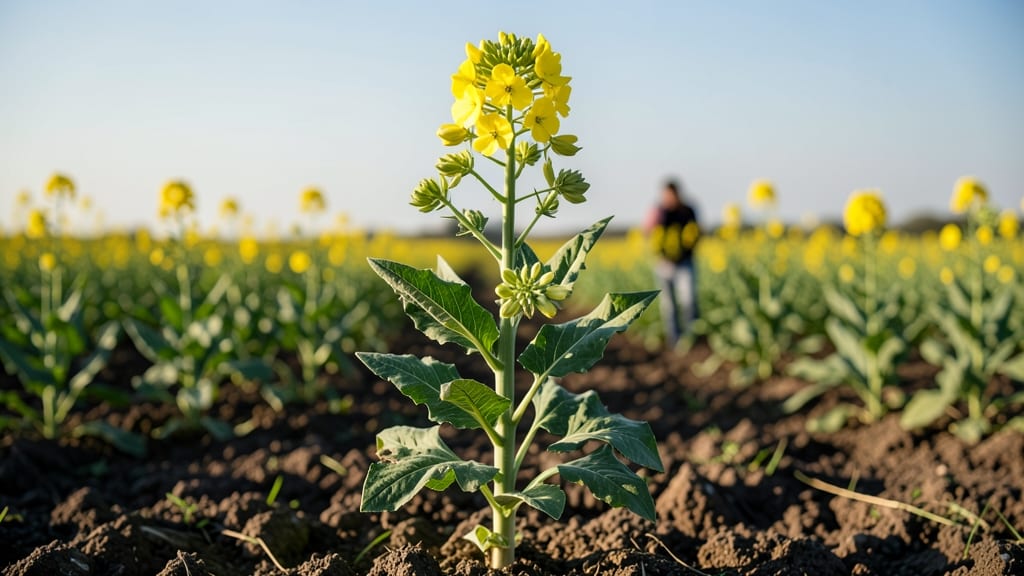
If you're planning your spring garden and wondering how tall your canola plants will grow, the answer might surprise you—these versatile plants can range from just 2 feet to over 5 feet, depending on the variety and growing conditions.
Whether you're growing canola 🌱 for oilseed production or as a forage crop, understanding their mature height is key to spacing, yield, and even harvest timing.
Most gardeners focus on the standard 4-6 foot range for mature canola plants, but dwarf varieties can stay as short as 2 feet, making them ideal for smaller gardens or container growing.
The difference in height isn’t just about aesthetics—it directly impacts how you space your plants and when you’ll need to harvest for the best yield.
Factors like soil quality, sunlight exposure, and even your local climate in USDA Zone 6a can influence how tall your canola plants grow. For example, well-drained soil and consistent moisture encourage stronger stems, while nutrient-rich conditions might lead to taller, more robust plants.
If you're planting between March and April, you’ll want to pay extra attention to these details to optimize growth.
In this guide, I’ll break down the height variations by variety, share tips for managing growth, and help you determine the best time to harvest based on plant height and maturity. Whether you're a seasoned gardener or new to growing canola, these insights will set you up for success.


Canola plant height by variety: key differences and growth characteristics
When planning your canola crop, understanding canola plant height is crucial for spacing, yield prediction, and harvest logistics. Most varieties fall between 2 to 6 feet tall at maturity, but specific types can vary significantly based on their genetic makeup and intended use.
For example, spring canola varieties like Hyola 308 typically reach 4 to 5 feet, while winter canola such as Westar can grow up to 6 feet under ideal conditions. These differences directly impact planting density and equipment needs for harvest.
Here’s a quick comparison of how canola plant height varies by type and purpose:
| Variety Type | Mature Height Range | Primary Use | Planting Density (plants/acre) |
|---|---|---|---|
| Spring Canola (e.g., Hyola 308) | 4–5 ft | Oilseed production | 4–6 lbs/acre |
| Winter Canola (e.g., Westar) | 5–6 ft | Forage and oilseed | 3–5 lbs/acre |
| Dwarf Varieties (e.g., Tobin) | 2–3 ft | Small-scale gardens | 8–12 lbs/acre |
| Forage Canola (e.g., AC Excel) | 4–5.5 ft | Livestock feed | 5–7 lbs/acre |
Taller varieties like winter canola often require wider row spacing (10–12 inches) to accommodate their height and prevent shading, which can reduce yield. In contrast, dwarf varieties are ideal for small gardens or container growing, where space is limited.
Another key factor is growth habit. Some varieties grow upright, while others develop a bushier form. For example, Hyola 308 has a more vertical growth pattern, making it easier to harvest with combine equipment, whereas AC Excel may spread wider, requiring adjustments in row spacing.
If you’re growing canola for oilseed production, taller varieties generally produce higher yields due to increased biomass. However, their height can also make them more susceptible to lodging (falling over) in windy conditions or if not properly supported. Using straw mulch or windbreaks can help mitigate this risk.
For home gardeners, dwarf varieties are often the best choice. They mature faster and fit well in raised beds or containers, making them easier to manage. Plus, their shorter stature reduces the risk of disease spread, as airflow around the plants improves.
When selecting seeds, always check the variety tag for height specifications. Some seed suppliers even provide growth charts to help you visualize how tall your plants will be at different stages. This is especially useful if you’re new to growing canola!
Pro tip: If you’re planting multiple varieties, group taller types together and shorter ones separately. This prevents taller plants from shading out their shorter neighbors, which can drastically reduce yield in mixed plantings.
Factors that influence canola plant height and how to optimize growth
Canola plant height isn't just about genetics—it's heavily influenced by growing conditions. I've seen spring canola varieties like 'InVigor 5440' grow 4-6 feet tall with ideal care, while winter types may stay shorter due to cold stress.
The right balance of soil nutrients, water availability, and sunlight exposure can push plants toward their maximum potential height.
One critical factor is soil fertility. Canola thrives in well-draining soil with pH levels between 6.0-7.5. I always recommend testing your soil before planting—adding compost or balanced fertilizer (like 10-20-10) at planting time can boost growth by up to 20% in height.
Over-fertilizing, however, can lead to weak stems that lodge under their own weight.
Another game-changer is planting density. I've noticed that overcrowded canola plants compete for nutrients and sunlight, often resulting in shorter, bushier growth. For maximum height, maintain 6-12 inches between plants and 18-24 inches between rows.
This spacing also improves air circulation, reducing disease pressure that can stunt growth.
Climate plays a surprising role too. In cooler regions (USDA Zone 4), canola may only reach 3-4 feet due to shorter growing seasons, while warmer climates (Zone 7+) can push heights to 5-6 feet.
I recommend selecting varieties suited to your zone—for example, 'Hyola 308' performs better in northern climates than 'DKC 46-50', which thrives in southern areas.
One common mistake I see is over-watering. While consistent moisture is crucial, waterlogged soil can cause root rot and stunted growth. I always water in the early morning to allow foliage to dry before evening, preventing fungal issues that weaken stems.
For optimal height, aim for 1 inch of water per week during the growing season.
Finally, don't underestimate the power of early season management. Thinning seedlings to the strongest 3-4 inches tall gives them the best start. I've found that plants thinned at this stage often grow 1-2 feet taller than those thinned later.
Remove weaker seedlings at soil level to avoid disturbing roots of remaining plants.