
How To
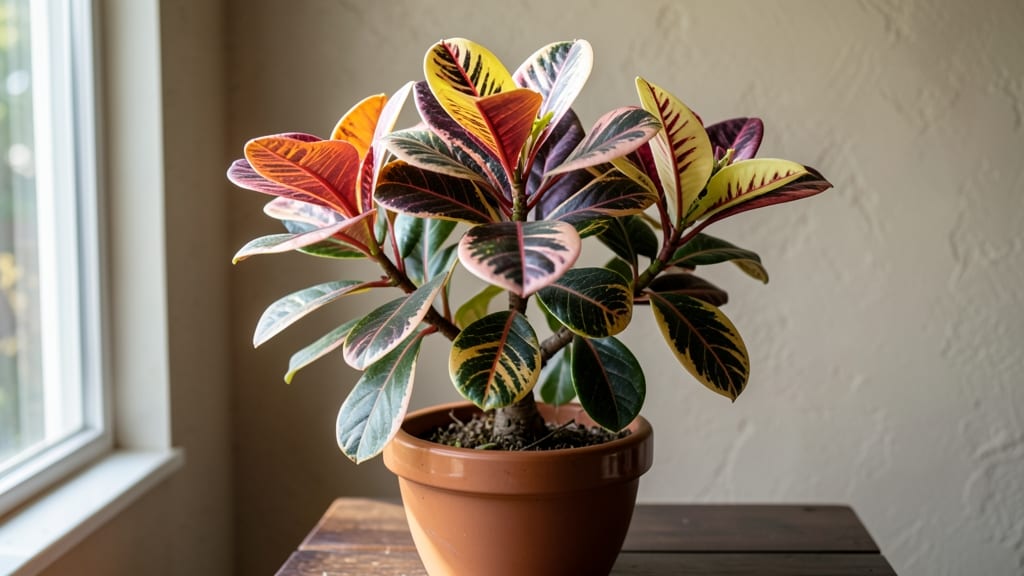
If you're wondering how tall does croton grow, the answer might surprise you—this vibrant 🌿 plant can range from a compact 1-foot shrub to a towering 6-foot statement piece, depending on where you grow it.
Whether you're nurturing one indoors or letting it thrive outdoors, the height difference is dramatic and worth understanding before planting.
Indoor crotons typically stay on the shorter side, maxing out around 3-4 feet if given plenty of light and proper care. But when planted outdoors in warmer climates, they can stretch toward their full potential, reaching those impressive 6-foot heights.
The key? Light exposure, pruning habits, and even the pot size you choose can all influence how tall your croton becomes.
For beginners, this means you have options—whether you want a low-maintenance tabletop plant or a bold garden shrub. I’ll break down the exact height ranges for different varieties and share tips to control growth, so you can keep your croton at your ideal height without sacrificing its stunning foliage.
Ready to learn how to manage your croton’s size? Let’s dive into the factors that shape its height and how to keep it looking its best, whether it’s indoors or out.


Croton plant height guide: indoor growth limits and maximum heights
If you're wondering how tall your croton plant will grow indoors, the answer depends on its variety, care, and container size. Most standard crotons (Codiaeum variegatum) reach 3-5 feet tall indoors, but some varieties like 'Petra' or 'Gold Dust' stay compact at 1-3 feet.
Without proper pruning or training, they can even stretch to 6 feet—turning your living room centerpiece into a jungle! 🌿
Indoor crotons grow slower than their outdoor counterparts due to limited light and space. A south-facing window with 6+ hours of sunlight is ideal, but even grow lights can help maintain a manageable height.
Without enough light, your croton will grow leggy and weak, reaching for sunlight like a desperate astronaut. ☀️
Pot size plays a huge role in height control. A smaller container (10-12 inches) restricts root growth, keeping your croton bushier and shorter. If you want a taller croton, opt for a larger pot (14+ inches)—but be ready for faster vertical growth.
Remember, root-bound plants grow upward to escape their cramped quarters! 🪴
Here’s a quick breakdown of what to expect with indoor croton growth:
| Variety | Indoor Height Range | Growth Tips |
|---|---|---|
| Standard (e.g., 'Mammy') | 3–5 feet | Prune regularly to control height |
| Dwarf (e.g., 'Petra') | 1–3 feet | Ideal for small spaces; minimal pruning |
| Variegated (e.g., 'Gold Dust') | 2–4 feet | Needs bright light to maintain color |
| Unpruned (Neglected) | Up to 6 feet | Risk of leggy, weak stems |
Pruning is your best friend when it comes to managing height. Pinch back the tips of new growth in spring to encourage bushier growth. For a taller, tree-like croton, let one main stem grow and prune side branches.
This technique mimics a bonsai approach, keeping your plant controlled and elegant. Just avoid over-pruning—your croton needs those leaves for photosynthesis! ✂️
Light is the #1 factor in indoor croton height. Without enough sunlight, your plant will stretch toward the nearest window, creating long, weak stems with sparse leaves. Rotate your croton quarterly to ensure even growth and prevent it from leaning.
A grow light on a timer (12-16 hours/day) can save your croton from becoming a lanky monster. 💡
Fertilizer also influences height. Over-fertilizing can lead to rapid, uncontrolled growth, while under-fertilizing slows it down. Use a balanced liquid fertilizer (10-10-10) every 4-6 weeks during spring and summer. In fall and winter, cut back to monthly or bi-monthly to encourage dormancy and prevent overgrowth. 🌱
If your croton starts to outgrow its space, don’t panic! You can propagate cuttings to create new plants while keeping your original croton at a manageable height. Simply snip a 4-6 inch stem, remove the lower leaves, and root it in water or moist soil.
This way, you get two plants for the price of one—and a smaller, happier croton! 🌿
Remember, the average indoor croton matures between 3-5 feet, but with the right care, you can keep it as short as 1 foot or let it reach 6 feet if you’re aiming for a statement plant.
The key is balance: enough light, proper pruning, and the right pot size. Now go enjoy your colorful, compact croton without the worry of it taking over your home! 🪴
Croton plant height guide: indoor growth limits and maximum heights
If you're wondering how tall your indoor croton will grow, the answer depends on its variety and care. Most houseplant crotons reach 1 to 3 feet tall indoors, but some standard varieties can stretch to 6 feet without pruning.
The key factor? Light exposure—crotons crave bright, indirect light to stay compact and vibrant.
Without enough sunlight, your croton will grow leggy and weak, reaching for light like a sun-starved plant. A south-facing window is ideal, but grow lights work too if natural light is limited.
Even with perfect light, pot size matters: root-bound crotons grow faster but may topple over if unstable.
Here’s how to control your croton’s height naturally:
| Factor | Effect on Height | Solution |
|---|---|---|
| Light | Low light = taller, leggy growth | Move to bright indirect light or use grow lights |
| Pruning | Regular pruning = bushier, shorter plant | Trim 1/3 of stems in spring to encourage branching |
| Pot Size | Small pot = slower growth | Repot every 2 years or when roots circle |
| Variety | Dwarf = 1-2 ft, Standard = 4-6 ft | Choose miniature varieties for smaller spaces |
For dwarf crotons, like the 'Petra' or 'Gold Dust' varieties, expect heights of just 1 to 2 feet. These are perfect for desks or shelves but still need pruning to stay tidy.
If your croton starts to outgrow its space, don’t panic—simply prune the top and propagate the cuttings for new plants!
One common mistake? Overwatering can stunt growth, while underwatering causes stress and slows it down. Aim for deep watering every 1-2 weeks when the top inch of soil feels dry. A well-draining pot with a moisture meter helps avoid guesswork.
Pro tip: Rotate your croton every few weeks so it grows evenly. Without rotation, one side will stretch toward the light, creating an uneven, lopsided plant. With the right care, your croton will stay compact, colorful, and thriving for years—without taking over your home! 🌿