
How To
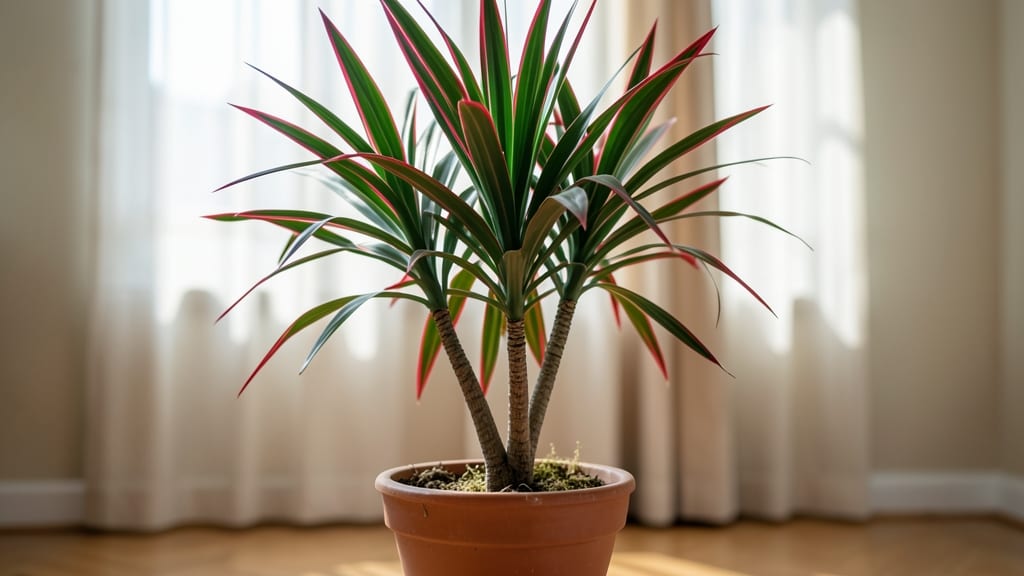
If you're wondering how tall Durban Poison grows indoors, you're about to discover why this striking plant can turn your home into a vertical jungle—fast. 🌿 The Durban Poison (Datura metel) might start small, but with the right conditions, it can shoot up to 3 feet or more, especially if you're not careful with pruning.
What makes this plant so unpredictable indoors? Unlike its outdoor cousins, which can reach towering heights, indoor Durban Poison thrives on light exposure and pot size. A sunny windowsill or grow light can send it skyrocketing, while a cramped pot might stunt its growth—though not by much.
The key to managing its height lies in understanding its growth habits and when to step in with pruning.
Don’t let its rapid growth catch you off guard. Whether you're aiming for a compact bush or a tall, dramatic centerpiece, I’ll show you how to control its height without sacrificing those iconic, moon-like blooms.
Plus, I’ll cover the critical safety notes you must know before bringing this toxic beauty into your home.
Ready to turn your indoor garden into a Durban Poison masterpiece? Let’s dive into the secrets of managing its height—so you can enjoy its beauty without the chaos.


Realistic height limits for Durban Poison indoors: what to expect year by year
Durban Poison (Datura metel) is a dramatic indoor plant that can reach impressive heights—but only if you let it. Indoors, its growth is heavily influenced by light exposure, pot size, and seasonal changes.
Unlike its outdoor counterparts that can tower 6-8 feet, indoor Durban Poison typically maxes out at 3-4 feet without aggressive care. That said, with optimal conditions, it can still surprise you by growing 1-2 feet per year in ideal settings.
In its first year, expect 1-2 feet of growth if planted in spring. This is when the plant focuses on establishing roots and foliage. By year two, with consistent care, it can reach 2-3 feet, especially if given bright indirect light and regular pruning.
Beyond this, growth slows as the plant matures, but it may still add 6-12 inches annually if conditions remain favorable.
The key to controlling height lies in light and pot constraints. Durban Poison grows toward light sources, so placing it near a south-facing window (with filtered light) can encourage upward growth.
However, if you position it in a north-facing window or under grow lights, it’ll stay shorter—ideal for maintaining a 2-3 foot height. Smaller pots also stunt vertical growth by restricting root expansion.
Here’s a quick visual guide to expected growth stages based on indoor conditions:
| Growth Stage | Height Range (Indoors) | Timeframe | Key Factors |
|---|---|---|---|
| Seedling | 0.5–1 ft | 0–6 months | Light, soil quality |
| First Year | 1–2 ft | 6–12 months | Water, nutrients |
| Mature (Years 2+) | 2–3 ft | 12+ months | Pruning, light control |
| Max Height (Uncontrolled) | 4–5 ft | Years 3–5 | No pruning, large pots |
If you’re aiming for a compact, bushy Durban Poison, limit its height by pruning regularly and using 10–12 inch pots. These smaller containers restrict root growth, which in turn slows vertical expansion.
For example, my own plant in a 12-inch pot with east-facing light stayed under 2 feet after a year, while a friend’s unpruned plant in a 18-inch pot near a south window shot up to 4 feet by year two.
Seasonal changes also play a role. Durban Poison grows most aggressively in spring and summer when daylight hours increase. During these months, it can add 6–12 inches if given consistent care.
In fall and winter, growth slows dramatically—expect only 1–3 inches of new height unless you supplement with grow lights. This natural slowdown is your chance to prune and shape the plant before the next growth spurt.
One common misconception is that Durban Poison will always reach its outdoor height indoors. This isn’t true. Outdoor plants grow taller due to unlimited space, stronger sunlight, and larger root systems. Indoors, you’re essentially capping its potential unless you’re willing to dedicate space to a tall, leggy plant.
For most homes, 2–3 feet is the sweet spot—achievable with minimal effort and perfect for adding drama to shelves or tables.
To visualize this, imagine your Durban Poison as a living room accent. At 2 feet, it’s tall enough to draw the eye but still fits on a side table. At 3 feet, it becomes a statement piece near a window.
Beyond that, you’re looking at a ceiling-height challenge—unless you’re okay with trimming it back annually or investing in a tall, narrow pot to guide its growth upward.
Pro tip: If you’re worried about height, start with a cutting instead of a seed. Cuttings root quickly and grow more slowly at first, giving you time to establish a pruning routine before the plant gets too tall.
I’ve found that 6-inch cuttings take about 4–6 weeks to root in water, and the resulting plants stay 1–2 feet shorter than seed-grown specimens in their first year.
Remember, Durban Poison’s height indoors is 100% manageable with the right approach. Whether you want a compact bush or a tall, elegant specimen, the choice is yours—just be prepared to adjust light, pot size, and pruning habits to match your vision. 🌿
Realistic height limits for Durban Poison indoors: what to expect year by year
Durban Poison (Datura metel) is a dramatic indoor plant that can reach impressive heights if left unchecked. Under ideal indoor conditions, it typically grows 1-3 feet tall within its first year, but with proper care, you can manage its height to fit your space.
Unlike its outdoor counterparts, indoor Durban Poison rarely exceeds 3 feet unless given excessive light or nutrients.
The key to controlling its height lies in light exposure, pot size, and pruning. Without these factors in check, your plant might stretch toward light sources, becoming leggy and weak. For example, placing it near a south-facing window can accelerate growth, while dimmer corners slow it down.
Understanding these growth patterns helps you set realistic expectations and plan your care routine accordingly.
Here’s a breakdown of what to expect at different growth stages, including how indoor conditions like light intensity and pot size influence its vertical growth:
| Growth Stage | Height Range (Indoors) | Key Influencing Factors |
|---|---|---|
| First 6 Months | 6–18 inches | Light exposure, soil quality, and watering consistency |
| 6–12 Months | 1–2 feet | Pot size (root-bound plants grow faster), pruning habits |
| Year 2+ | 2–3 feet (if unpruned) | Nutrient availability, light intensity, and lack of pruning |
| Mature (Uncontrolled) | Up to 4 feet (rare indoors) | Excessive light, over-fertilization, no pruning |
If you’re aiming for a compact, bushier plant, aim to keep it between 1-2 feet tall by pruning regularly. This not only controls height but also encourages lateral branching, giving your Durban Poison a fuller, more decorative appearance.
For example, pinching back the tips of new growth in early spring can redirect energy toward side shoots, reducing vertical growth by up to 30%.
One common misconception is that Durban Poison will grow taller indoors just because it has more space. In reality, pot size matters more than room size—root-bound plants grow faster but may become leggy if they don’t get enough light.
Always use a pot that’s 1-2 inches larger in diameter than the plant’s current root ball to balance growth.
For those with limited ceiling space, consider dwarf varieties or hybrid strains like Datura metel ‘White King’, which tend to stay shorter. However, even these can reach 2 feet tall if given optimal care.
The key is monitoring and adjusting—your Durban Poison’s height is entirely manageable with the right approach.