
How To
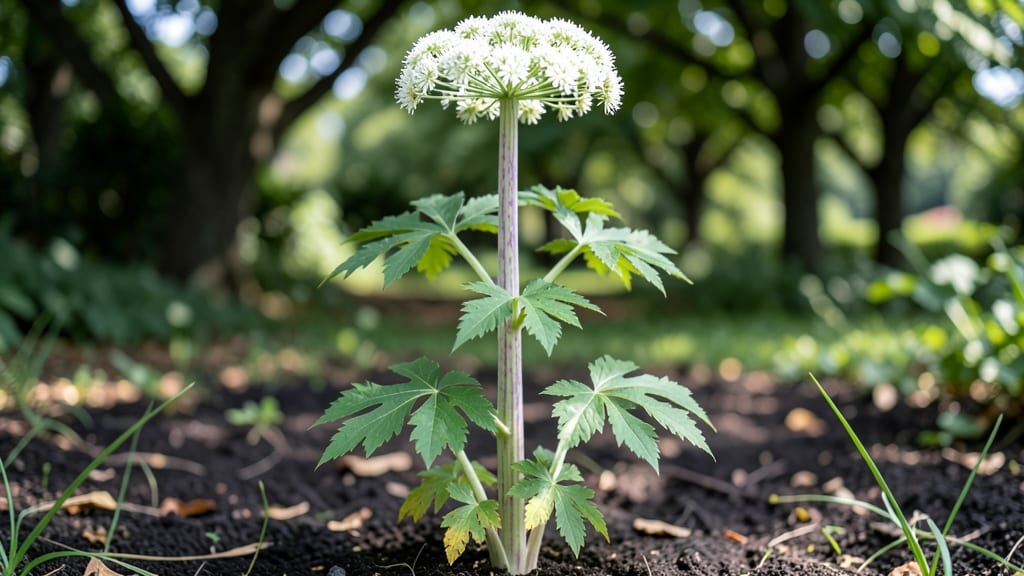
Poison hemlock height: how fast and tall this killer plant grows
Poison hemlock (Conium maculatum) isn’t just tall—it’s a rapid-growing giant that can reach 10 to 14 feet in ideal conditions. Within its first year, a single plant can shoot up to 3 to 5 feet, making it a garden nightmare before you even notice it.
This invasive biennial thrives in disturbed soils, roadside ditches, and neglected yards, where it outcompetes native plants with alarming speed.
By its second year, poison hemlock can double in height, towering over most gardeners at 6 to 10 feet. Left unchecked, mature plants often exceed 14 feet, rivaling small trees in stature.
Their hollow, purple-speckled stems and fuzzy purple flowers make them unmistakable—but their deadly toxicity demands immediate action if spotted.
What makes poison hemlock’s height so dangerous? Its aggressive spread means one plant can become dozens in a single season. Each stem produces thousands of seeds, ensuring its dominance in open, sunny areas.
Unlike slower-growing weeds, poison hemlock doesn’t need rich soil—it thrives in poor conditions, making it nearly impossible to starve out.
In USDA Zone 6a (where it’s most aggressive), poison hemlock germinates in early spring (March–April) and grows explosively until the first frost. Its height advantage allows it to block sunlight from smaller plants, creating monocultures that choke out biodiversity.
If you’ve ever seen a roadside jungle of identical purple-stemmed plants, you’ve likely encountered a poison hemlock colony.
Here’s the kicker: poison hemlock’s height correlates directly with its toxicity. The taller the plant, the more coniine (its deadly alkaloid) it accumulates in its roots, stems, and leaves.
A single 5-foot plant can contain enough toxin to kill multiple animals or hospitalize a human. That’s why understanding its growth rate isn’t just about aesthetics—it’s about safety.
Poison hemlock’s height isn’t its only threat—its root system spreads aggressively underground, forming dense networks that make manual removal nearly impossible. A single root fragment can regenerate into a new plant, ensuring its persistence.
This is why early detection is critical. If you spot a tall, purple-stemmed plant with lacy leaves, assume it’s poison hemlock until proven otherwise.
In urban areas, poison hemlock often invades vacant lots, construction sites, and garden edges, where it goes unnoticed until it’s too late. Its height advantage allows it to overshadow other plants, making it the dominant species in disturbed ecosystems.
Gardeners in Zone 6a should treat it like a fire hazard—one that can kill before you realize it’s there.
So, how do you stop it? Pull it before it flowers—that’s when seeds spread. Use gloves and long sleeves (the sap can cause skin irritation), and bag the plant to prevent root fragments from taking hold.
If you’re dealing with a large colony, consider vinegar-based herbicides (glyphosate is more effective but requires caution). The key? Act fast—because by the time poison hemlock hits 10 feet, it’s already won your garden.
Remember: this isn’t just about how tall poison hemlock grows—it’s about how fast it can kill. Stay vigilant, and don’t let it tower over your safety. ✂️
Poison hemlock height: how fast and tall this killer plant grows
Poison hemlock (Conium maculatum) is one of nature’s most aggressive plants, shooting up to 10–14 feet tall in ideal conditions.
In its first year, it may only reach 3–5 feet, but by year two, it can tower over your garden like a green skyscraper, outcompeting native plants and crowding out flowers. This rapid growth is why it spreads so quickly in disturbed soils, roadsides, and even abandoned lots.
What makes poison hemlock’s height especially dangerous is its toxic alkaloids, which concentrate as the plant matures. A fully grown specimen can produce seeds that spread like wildfire, ensuring new plants pop up yearly.
Unlike slower-growing weeds, poison hemlock doesn’t just sit pretty—it dominates its surroundings, making it a nightmare for gardeners and land managers alike.
| Growth Stage | Height Range | Timeframe |
|---|---|---|
| Seedling | 1–2 ft | Spring (first 30 days) |
| First Year | 3–5 ft | Spring to Fall |
| Mature Plant | 10–14 ft | Year 2+ |
| Seed Production | Up to 50,000 seeds | Late Summer |
The plant’s hollow, ridged stems and purple-spotted lower stems are dead giveaways, but its height alone should send up red flags. In just two growing seasons, a single plant can become a 12-foot-tall monster, shading out smaller vegetation and creating a toxic monoculture.
This is why early detection is critical—once it reaches 6 feet, removal becomes exponentially harder.
Poison hemlock thrives in full sun, which supercharges its growth. In shaded areas, it may only reach 5–7 feet, but it still poses a severe risk. The plant’s aggressive root system spreads underground, allowing it to regrow from even small fragments.
This makes mechanical removal a high-risk strategy unless you’re prepared for gloves, long sleeves, and immediate disposal.
If you’ve ever wondered why your garden suddenly feels like a jungle takeover, poison hemlock could be the culprit. Its height and toxicity make it a dual threat—visually imposing and deadly. The key to controlling it? Act fast before it reaches its full 10–14-foot potential.
🌱