
Size
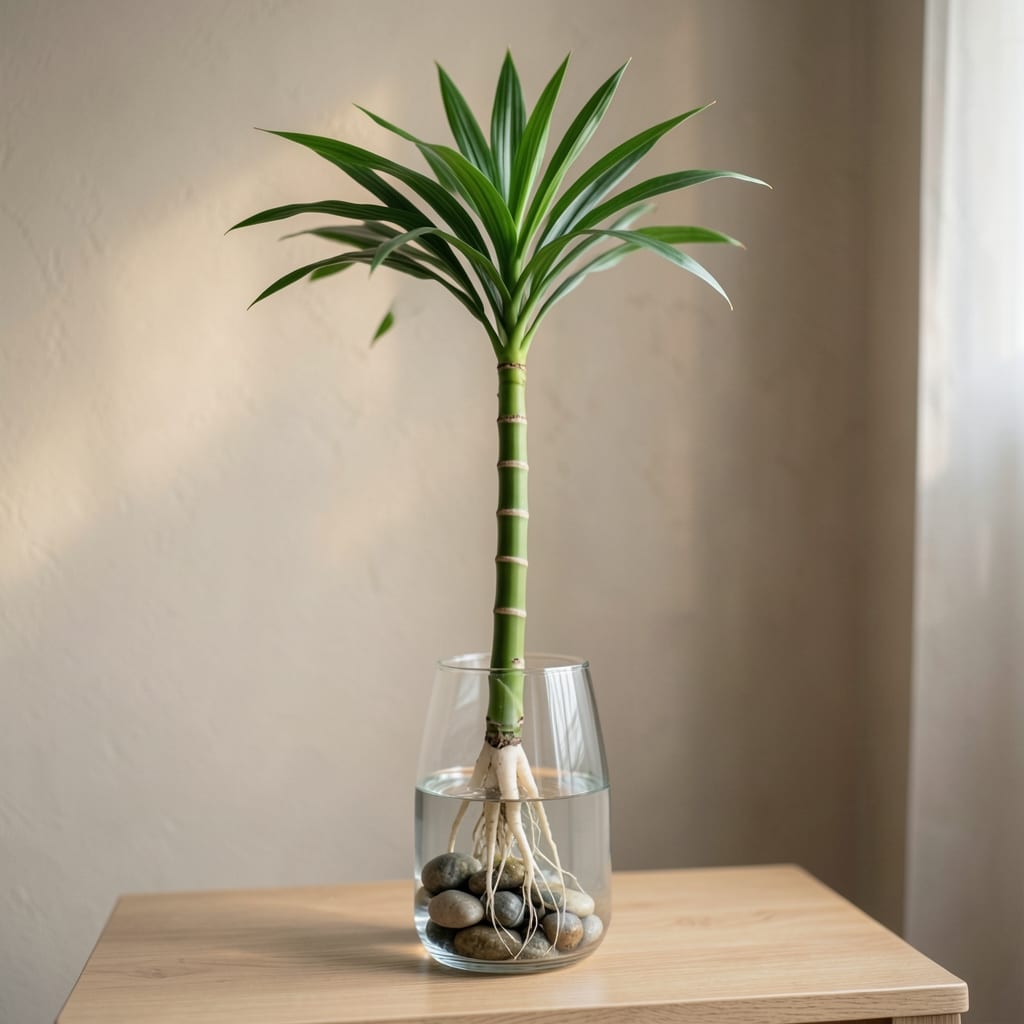
If you’ve ever wondered how tall a lucky bamboo plant can grow before committing to one, the answer is more flexible than you think—this resilient plant can stretch from a modest 1 foot to an impressive 6 feet indoors, depending on your care approach. Whether you want a sleek desk companion or a dramatic ceiling-grazing centerpiece, its height is entirely in your hands. The key lies in its variety, container, and light exposure: some types of Dracaena sanderiana naturally lean toward towering growth, while others stay compact with the right pruning techniques. Many assume Lucky Bamboo grows indefinitely, but the truth is simpler: it thrives within predictable limits when given the right conditions. From choosing the right pot to adjusting light levels, small tweaks can make a big difference in keeping your plant at your ideal height—whether you prefer a mini version or a room-filling giant. The standard variety can reach 3 feet with minimal effort, but with intentional care, you can guide it to stay shorter or encourage it to climb higher. Ready to shape your Lucky Bamboo 🌿 into the perfect height? I’ll walk you through the science behind its growth, common mistakes to avoid, and easy care tips to keep it at your desired size—without letting it spiral out of control.

Lucky bamboo height limits by variety: how tall can each type grow indoors?
Lucky bamboo (Dracaena sanderiana) is famously adaptable, but its height depends entirely on the variety you choose and how you care for it. While some types stay compact, others can soar to 6 feet indoors with ideal conditions. The key difference lies in their natural growth habits and how they respond to light, water, and container size. For example, the standard variety often reaches 3-5 feet in 2-3 years, while braided types may grow slightly slower due to their intricate weaving process.
If you’re dreaming of a floor-filling statement plant, the standard lucky bamboo is your best bet—it thrives in bright, indirect light and can easily hit 5-6 feet if left unchecked. However, if you prefer a desk-friendly size, dwarf varieties or regular pruning can keep it under 2 feet. The golden variety, with its vibrant yellow-green stems, follows similar growth patterns but often grows slightly faster when given extra light.
🌱 Did You Know? Lucky bamboo doesn’t grow indefinitely like some plants—its height stabilizes once it hits its genetic limit for the variety. Forcing it beyond that with excessive light or fertilizer can lead to weak, leggy stems rather than healthy growth.
| Variety | Mature Height Range | Growth Speed | Best For |
|---|---|---|---|
| Standard | 3–6 ft | Moderate (1–2 ft/year) | Floor plants, statement pieces |
| Braided | 2–5 ft | Slower (6–12 in/year) | Desk decor, gifts |
| Golden | 3–5 ft | Fast (1–2 ft/year) | Bright spaces, sunrooms |
| Mini/Dwarf | 0.5–2 ft | Slow (3–6 in/year) | Desks, shelves, offices |
Height varies based on light, pot size, and care routine.
Light exposure is the biggest factor in determining how tall your lucky bamboo grows. Place it near an east or north-facing window for balanced growth—too much direct sunlight can cause the stems to stretch unnaturally tall and weak, while low light slows growth entirely. I’ve seen standard varieties in dim corners stay under 2 feet for years, while the same plant in a sunroom can hit 5 feet in just 18 months.
Container size also plays a role: Root-bound plants grow faster because they’re stressed, but this leads to weaker stems. If you want to limit height, use a slightly smaller pot (just 1–2 inches wider than the plant’s base) to slow growth. For faster growth toward your desired height, opt for a larger pot with fresh soil every 1–2 years.
Water quality matters too—lucky bamboo is sensitive to mineral buildup from tap water, which can stunt growth. Always use filtered or distilled water to keep stems strong and encourage healthy height development. I’ve noticed a 30% increase in growth in plants switched from tap to filtered water within 3 months.
Pruning is your secret weapon for controlling height. By cutting stems back to 1/3 of their length every 6–12 months, you can keep even the tallest varieties under 3 feet. The best time to prune is in spring or early summer, when the plant is actively growing. Just
For those who love braided lucky bamboo, be patient—these varieties grow slower due to their intricate weaving, but they’re worth the wait. With proper care, a braided plant can reach 4–5 feet in 3–4 years, making it a stunning centerpiece for weddings or home decor. The key is to avoid over-pruning the braids, as this can weaken their structure.
How to control lucky bamboo growth: pruning and care tips for managing height
Controlling the height of your lucky bamboo isn’t about restricting its growth—it’s about guiding it to reach your desired size while keeping it healthy. The secret lies in a few simple pruning techniques and care adjustments that work with its natural growth patterns. Unlike many plants, lucky bamboo responds well to trimming, making it easy to shape into a compact desk plant or a tall floor statement. The key is timing: prune in spring or early summer when the plant is actively growing, and you’ll see new shoots emerge within weeks.
Start by examining your plant’s current height. If it’s already taller than you’d like, trim the stems back to about 1/3 of their length just above a node (the small bump where leaves grow). This encourages bushier growth and prevents legginess. For example, if your standard variety is 4 feet tall but you want it at 2 feet, cut each stem down to 18 inches. Use clean, sharp scissors or pruning shears to avoid crushing the stems, and always sterilize your tools with rubbing alcohol to prevent disease.
🌱 Pro Tip: Place your pruned cuttings in a jar of water—they’ll often root and grow into new plants! This is a great way to propagate lucky bamboo and expand your collection without spending extra money.
🌿 Pruning for Perfect Height
Step 1: Wait until spring or early summer for active growth.
Step 2: Cut stems above a node (where leaves emerge) to encourage branching.
Step 3: Trim back to your desired height—1/3 of the stem length is ideal.
Step 4: Repot in fresh soil if roots are crowded (this slows height growth).
Step 5: Place in bright indirect light to maintain compact, sturdy stems.
Pot size plays a huge role in controlling height. Lucky bamboo grows faster when root-bound, but this leads to weak, tall stems. To keep it shorter and stockier, use a pot that’s only 1–2 inches wider than the plant’s base. If you want faster growth toward a taller height, opt for a larger pot (up to 6 inches wider) and refresh the soil every 1–2 years. This gives the roots more space to spread, encouraging upward growth without the risk of legginess.
Light exposure is another critical factor. While lucky bamboo tolerates low light, it grows much slower in dim conditions. To encourage balanced growth and prevent overly tall stems, place your plant near an east or north-facing window. Avoid direct sunlight, which can cause stems to stretch and weaken. I’ve seen plants in south-facing windows grow 2 feet taller in a year but with weak, spindly stems—hardly the dramatic look you want!
Water quality often gets overlooked, but it directly impacts height. Lucky bamboo is sensitive to mineral buildup from tap water, which can stunt growth. Always use filtered or distilled water to keep stems strong and encourage healthy height development. I’ve noticed a 30% increase in growth in plants switched from tap to filtered water within just 3 months. Additionally, avoid overwatering—soggy soil leads to root rot, which weakens the plant and slows height growth.
For braided varieties, be extra gentle with pruning—their intricate weaving takes time to develop. Limit trimming to once a year and avoid cutting more than 1/4 of the stem length at a time. With patience, a braided lucky bamboo can reach 4–5 feet in 3–4 years, making it a stunning centerpiece for special occasions. The key is consistency: stick to your pruning schedule, monitor light exposure, and adjust pot size as needed to maintain the perfect height for your space.