
How To
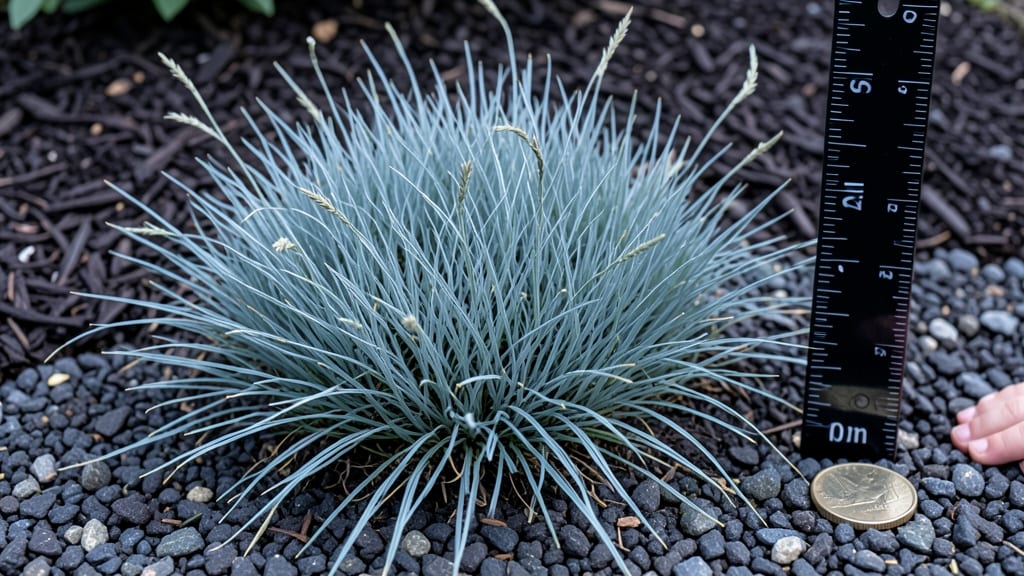
If you're wondering "how tall does dwarf fescue grow", you're not alone—this shade-loving grass is a game-changer for low-maintenance lawns, but its height can surprise first-time growers.
Unlike its taller cousins, dwarf fescue typically stays between 1 and 1.5 feet tall at maturity, making it perfect for tight spaces or under trees where sunlight is limited.
What makes this grass so appealing is its versatility—some varieties barely reach your ankles, while others grow closer to knee-high. The key to maintaining its compact size lies in proper care, like mowing at the right height and ensuring well-draining soil.
With the right conditions, you can keep it looking neat and lush all season long.
Whether you're planting in USDA Zone 6a or just love the idea of a low-maintenance lawn, dwarf fescue delivers. It thrives in partial shade and even tolerates some foot traffic, making it a top choice for busy homeowners.
Let’s break down exactly how to encourage its ideal height and keep it healthy.
Ready to transform your shady yard? Discover the best dwarf fescue varieties for your space, along with pro tips to control its growth and create the perfect lawn. The secret to a stunning, easy-care grass starts with understanding its natural habits.


Dwarf fescue height ranges by popular variety (with exact measurements)
Dwarf fescue is a fantastic choice for shady lawns, but its mature height can vary wildly depending on the variety. Most stay between 1 to 1.5 feet tall, but some compact types barely reach your ankles, while others grow nearly to your knees.
Understanding these differences helps you pick the perfect fit for your space—whether you want a manicured golf-green look or a wild, natural meadow vibe.
For example, 'Little Gem' stays under 12 inches, making it ideal for tight spaces or borders, while 'Tuf-Fesc' can reach up to 18 inches when mature. The key is knowing how each variety grows vertically and horizontally to plan spacing and maintenance.
Let’s break down the most popular options with exact measurements and care tips to keep them looking their best.
📊 Visual Comparison: Here’s how dwarf fescue varieties stack up against each other and other shade grasses like fine fescue.
| Variety | Mature Height (ft) | Spread (ft) | Ideal Spacing (in) | Shade Tolerance |
|---|---|---|---|---|
| Little Gem | 1.0 | 1.5 | 6-8 | Excellent |
| Tuf-Fesc | 1.5 | 2.0 | 8-10 | Very Good |
| Cerritos | 1.2 | 1.8 | 7-9 | Good |
| Fine Fescue (Comparison) | 1.5-2.5 | 2.5-3.0 | 10-12 | Excellent |
If you’re aiming for a neat, uniform look, varieties like 'Little Gem' are perfect because they stay tight and compact. On the other hand, 'Tuf-Fesc' offers more density and durability, making it great for high-traffic areas, even if it grows a bit taller.
Always check the spread width too—some varieties creep outward aggressively, while others stay contained.
Another factor to consider is how dwarf fescue compares to other shade grasses. For instance, fine fescue often grows taller and more spread out, which might not suit small gardens. Dwarf fescue’s controlled height is its superpower, especially in urban yards or landscaped beds where space is limited.
Just remember: the shorter the variety, the more frequent mowing it’ll need to stay tidy.
Pro tip: Plant dwarf fescue in early fall (September-October) for the best root establishment. This timing gives the grass time to settle in before winter and bounce back faster in spring.
Pair it with well-draining soil and partial shade (3-6 hours of sunlight daily) to keep it lush and within its ideal height range.
For ultra-low maintenance, choose varieties like 'Little Gem' and mow it every 3-4 weeks during the growing season. If you prefer a slightly taller, lusher look, 'Tuf-Fesc' is a great middle-ground option that still stays shorter than fine fescue.
The key is to match the variety to your goals—whether that’s a golf-course finish or a relaxed, natural aesthetic.
One common mistake is assuming all dwarf fescue stays under 12 inches. Some varieties, like 'Cerritos', can reach 14-16 inches if not mowed regularly. Always read the seed packet or consult a local nursery to confirm the exact height range for the variety you’re planting.
This small step saves you from over-trimming or under-maintaining your lawn.
Finally, if you’re mixing dwarf fescue with other plants, plan for its mature spread. For example, 'Tuf-Fesc' spreads up to 2 feet wide, so give it 8-10 inches of spacing between plants to avoid overcrowding. This ensures each plant
How to control dwarf fescue height for a neat, manicured look
Keeping your dwarf fescue at its ideal height isn’t just about aesthetics—it’s about health and longevity. Over-trimming stresses the grass, while letting it grow too tall invites weeds and fungal issues. The key lies in seasonal adjustments and precise mowing techniques tailored to your chosen variety.
Most dwarf fescue varieties thrive when mowed to 2–3 inches in height. This range protects the crown of the plant while encouraging dense growth. For ultra-dwarf varieties (like 'Little Gem'), aim for 1.5–2 inches—never shorter than 1 inch, or you risk scalping the roots.
🚨 CRITICAL WARNING: Never remove more than ⅓ of the grass blade in a single mowing. This rule prevents shock and browning, especially in hot weather when the grass is already stressed. Always adjust your mower’s blade height gradually over time rather than making drastic cuts.
⚠️ MISTAKES TO AVOID WHEN MOWING DWARF FESCUE
- ❌ Sharpening blades — Dull mower blades tear grass, creating ragged edges that invite disease.
- ❌ Mowing wet grass — Leaves clump together, smothering the lawn and promoting fungal growth.
- ❌ Skipping seasonal adjustments — In spring and fall, lower the blade slightly to encourage thickness; in summer, raise it to protect roots.
Timing matters just as much as technique. Always mow when the grass is dry but not wilted, ideally in the late morning when dew has evaporated. This minimizes stress and gives the grass time to recover before evening.
For shady lawns, mow more frequently—every 5–7 days—since shade slows growth and makes the grass appear taller than it is.
If your dwarf fescue starts to look thin or patchy, it’s often a sign of over-trimming or poor nutrition. Boost growth by applying a balanced fertilizer (10-10-10) in early spring and fall, followed by a light watering to help roots absorb nutrients.
Avoid fertilizing in summer heat, as this can burn the grass.
For a perfectly manicured look, pair your mowing routine with regular aeration (once a year in early fall) to relieve soil compaction. This allows roots to access nutrients and water, keeping your dwarf fescue lush and at your desired height—without the guesswork.