
How To
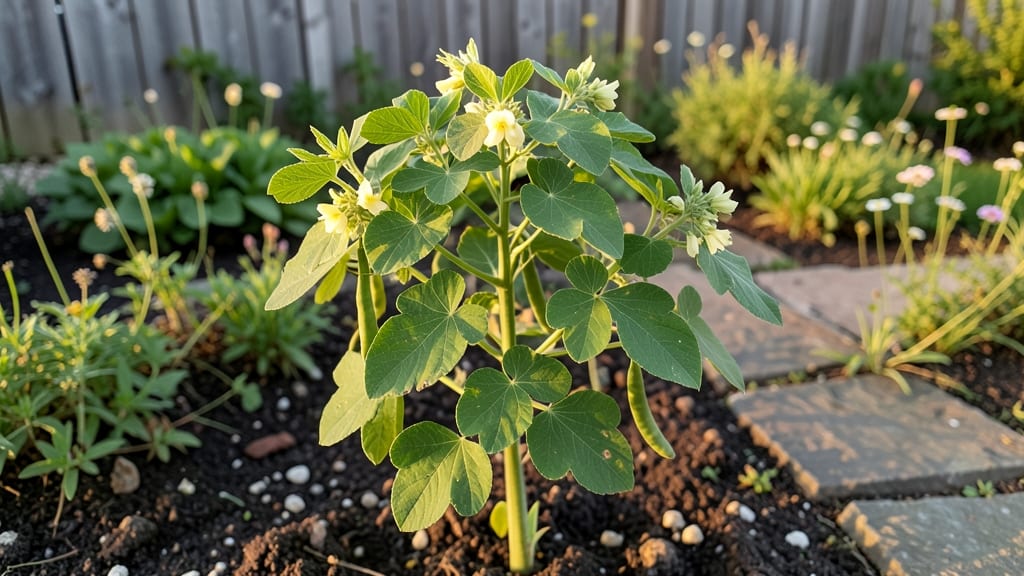
If you’ve ever wondered how tall does fenugreek grow, you’re not alone—this herb’s height can surprise even seasoned gardeners. 🌱 While some varieties stay compact at just 1-2 feet, others can shoot up to 3 feet or taller, depending on your growing conditions and the specific type you’re cultivating.
For those planning a garden layout, fenugreek’s height isn’t just about aesthetics—it’s about strategy. Taller varieties might need staking or trellising to prevent sprawling, while shorter types fit neatly into containers or small plots. Knowing these differences helps you maximize space and yield without sacrificing flavor or productivity.
But here’s the kicker: fenugreek’s height isn’t set in stone. Soil quality, sunlight exposure, and even watering habits can push it beyond expectations.
Whether you’re growing it for culinary uses (think fresh leaves in salads) or medicinal benefits (like seed-based supplements), understanding these factors ensures you get the most out of your plants.
Ready to dive deeper? I’ll walk you through the exact heights of popular fenugreek varieties, how to control growth naturally, and the best ways to integrate this versatile herb into your garden—no matter how much (or little) space you have.


Fenugreek varieties and their mature heights compared
Fenugreek (Trigonella foenum-graecum) is a fascinating herb that can range from compact leaf varieties to tall seed-producing stalks, depending on the cultivar.
Understanding these differences helps you choose the right variety for your garden space and intended use—whether you're growing it for culinary leaves or medicinal seeds.
Most gardeners focus on three primary types: leaf fenugreek, seed fenugreek, and dual-purpose varieties. Each has distinct height characteristics that impact how you'll cultivate and harvest them. For example, leaf varieties typically stay shorter, while seed varieties can reach impressive heights when mature.
Here’s a quick comparison of how these varieties grow, including their mature heights and ideal uses:
| Variety | Mature Height | Primary Use | Spacing Needs | Growth Notes |
|---|---|---|---|---|
| Leaf Fenugreek (e.g., 'Green Fenugreek') | 12–24 inches | Fresh leaves, salads | 12–18 inches apart | Bushy, compact growth; harvest leaves before flowering. |
| Seed Fenugreek (e.g., 'Brown Fenugreek') | 24–36 inches | Dried seeds, medicinal | 18–24 inches apart | Tall, slender stalks; allow full height for seed production. |
| Dual-Purpose (e.g., 'White Fenugreek') | 18–30 inches | Leaves + seeds | 15–20 inches apart | Balanced growth; harvest leaves early, save stalks for seeds. |
If you're growing fenugreek in containers, opt for leaf varieties or dwarf strains, as they rarely exceed 18 inches. For in-ground gardens, taller seed varieties can add vertical interest, but they’ll need sturdy support if grown in windy areas.
One pro tip: If you’re growing fenugreek for both leaves and seeds, start with dual-purpose varieties like 'White Fenugreek'. They strike a balance, reaching 2–2.5 feet while still producing abundant leaves early in the season.
For those in small spaces, consider succession planting. Harvest leaf fenugreek at 12–18 inches to encourage bushier growth, and replace spent plants with new seedlings every 3–4 weeks for a continuous harvest.
Fenugreek’s height isn’t just about space—it’s also tied to its growth cycle. Leaf varieties mature faster (60–75 days), while seed varieties take longer (90–120 days) to reach their full height. Plan accordingly if you’re aiming for a specific harvest window.
Finally, remember that fenugreek’s height can be influenced by soil fertility and watering habits. Over-fertilizing or inconsistent watering can lead to leggy, tall growth. Aim for balanced care to keep your plants at their ideal height for your intended use.
🌱
Fenugreek varieties and their mature heights compared
Fenugreek (Trigonella foenum-graecum) isn’t just one-size-fits-all—its height can swing wildly depending on the variety you grow. Leaf-focused types stay compact, while seed varieties often reach tall, leggy stalks. Knowing these differences helps you plan space and maximize harvests.
For leaf production, varieties like 'Madras' or 'White' stay between 12-18 inches, perfect for container gardens or small plots. These are the bushier types that gardeners favor for frequent harvesting.
Seed-focused fenugreek, however, can bolt upward to 36 inches or taller—think of them as the tall drink of water in your herb garden. Varieties like 'Indian' or 'Egyptian' prioritize seed production, so their height is a trade-off for those prized pods.
Here’s how the most common varieties stack up in height and purpose:
If you’re growing fenugreek for both leaves and seeds, opt for varieties like 'White' or 'Golden'. These strike a balance at 18-24 inches, giving you flexibility for multiple harvests without sacrificing space.
Pro tip: Taller varieties benefit from trellising—especially in windy areas—to prevent lodging and improve air circulation. A simple bamboo stake or mesh trellis can keep those seed stalks upright and productive.
For container gardening, stick to leaf varieties like 'Madras' in 5-gallon pots with drainage. Their compact size makes them ideal for balconies or windowsills, as long as they get full sun. 🌱