
How To
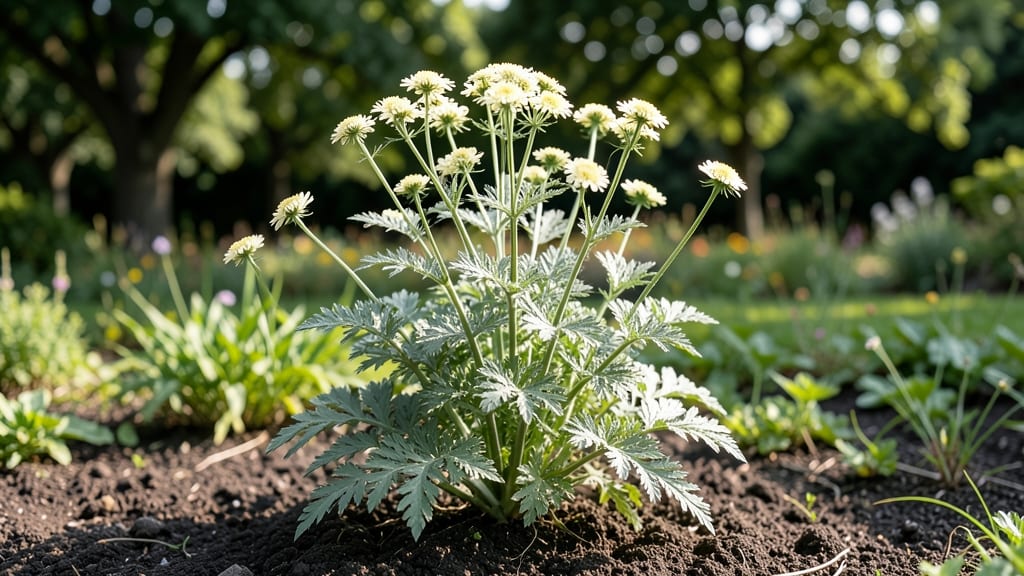
If you're wondering how tall does feverfew grow, you're not alone—this medium-height herb (🌼) can surprise first-time gardeners with its sturdy yet manageable size. In ideal conditions, feverfew typically reaches 2 to 3 feet at maturity, making it perfect for borders, cottage gardens, or even container planting on patios.
But here's the catch: its height varies depending on whether you're growing it in the wild or cultivating it in your garden. Wild feverfew often stays shorter—around 1 to 2 feet—while cultivated varieties can stretch toward that 3-foot mark, especially with proper care and pruning.
Soil quality, sunlight exposure, and pruning habits play a huge role in shaping its growth. Too much shade? It might stay compact. Too little pruning? You could end up with a leggy plant reaching its full height faster than expected.
Let’s break down how to keep it at your preferred size—whether you want a compact bush or a taller, more dramatic presence in your garden.
Ready to plan your feverfew layout? I’ll show you how to balance its height with companion plants and maintenance tips to keep it thriving—no matter where you live in USDA Zone 6a or beyond.


Feverfew plant height by variety: a complete growth comparison
Feverfew (Tanacetum parthenium) is a versatile herb that thrives in gardens for its medicinal benefits, pest-repelling properties, and ornamental white daisies.
But one of the first questions I get when planting it? "How tall does feverfew grow?" The answer depends on the variety, growing conditions, and whether you prune it regularly. Let’s break down the height ranges for common types so you can plan your garden layout with confidence.
Under ideal conditions—full sun exposure, well-draining soil, and moderate watering—feverfew typically reaches a mature height of 2 to 3 feet. However, some dwarf varieties stay as short as 12 to 18 inches, while sprawling types can spread wider than they grow tall.
Knowing these differences helps you choose the right spot in your garden, whether it’s a herb bed, border planting, or container garden.
Here’s the key visual reference for feverfew’s height by variety—this will help you visualize how it fits into your space before planting.
| Variety | Mature Height | Spread | Growth Habit | Best For |
|---|---|---|---|---|
| Standard Feverfew (Tanacetum parthenium) | 2–3 feet | 1–2 feet | Upright, bushy | Perennial borders, medicinal gardens |
| Dwarf Feverfew (e.g., 'Moonshine') | 12–18 inches | 12–18 inches | Compact, rounded | Containers, window boxes, rock gardens |
| Sprawling Feverfew (e.g., 'Golden Feverfew') | 1–2 feet | 2–3 feet | Trailing, spreading | Ground cover, slopes, cottage gardens |
| Golden Feverfew (Tanacetum parthenium 'Aureum') | 1.5–2.5 feet | 1–2 feet | Clumping, golden foliage | Ornamental beds, pollinator gardens |
The standard feverfew variety is the most common and grows to a tall, bushy 2–3 feet, making it perfect for the back of herb or perennial beds. If you’re short on space, dwarf varieties like 'Moonshine' stay under 18 inches and work beautifully in containers or window boxes.
Meanwhile, sprawling types like 'Golden Feverfew' spread wider than they grow tall, ideal for ground cover or sloping areas.
One thing to note: feverfew’s height can vary based on soil fertility, sunlight, and pruning habits. For example, plants grown in poor soil may stay shorter, while those in rich, fertile soil with plenty of sun can reach the upper end of the height range.
Regular pruning also keeps feverfew compact and bushier, preventing it from becoming leggy.
If you’re planting feverfew in containers, choose a pot that’s at least 12 inches deep to accommodate its root system. For in-ground planting, space standard varieties 18–24 inches apart to give them room to spread.
Dwarf varieties can be planted 12 inches apart, while sprawling types may need up to 3 feet of space to prevent overcrowding.
Another factor to consider is feverfew’s seasonal growth patterns. In its first year, feverfew typically grows to 12–18 inches, while in subsequent years, it can reach its full 2–3 foot height.
This gradual growth makes it easier to integrate into existing garden designs without overwhelming the space immediately.
For medicinal use, the height doesn’t matter as much as the leaf production, but taller plants yield more foliage. If you’re growing feverfew for its pest-repelling qualities, the height helps it stand out among other plants, making it more effective at deterring insects like aphids and mosquitoes.
Just be mindful that taller varieties may need staking or support if they become top-heavy with flowers.
Pro tip: If you’re unsure about feverfew’s height in your specific climate, start with a small test plant in a container. This lets you observe its growth habits before committing to a permanent spot in your garden. Once you understand how it performs in your conditions, you can scale up
How to control feverfew height: pruning and growth habits
Feverfew (Tanacetum parthenium) typically reaches 2-3 feet tall in ideal conditions, but its height can vary based on pruning habits and growing conditions. Understanding how to manage its growth ensures your garden stays organized and your feverfew thrives without becoming unruly.
The key is balancing regular pruning with natural growth patterns.
One of the most effective ways to control feverfew’s height is through seasonal pruning. In early spring, cut back dead or woody stems to encourage fresh, bushier growth. This first pruning helps maintain a compact shape and prevents the plant from becoming leggy.
Without pruning, feverfew can easily reach its maximum height of 3 feet, which may overwhelm smaller garden spaces.
For gardeners in USDA zones 5-9, summer pruning is also critical. After flowering, trim back up to one-third of the plant’s height to promote denser foliage and prevent it from becoming top-heavy.
This is especially important if you’re growing feverfew near walkways or borders, where a taller, sprawling plant could become a tripping hazard.
If you’re growing feverfew in containers or small gardens, consider pinching back young shoots when they reach 6-8 inches. This encourages the plant to branch out, creating a fuller, shorter bush rather than a single tall stem.
Container-grown feverfew rarely exceeds 18-24 inches when pruned this way, making it ideal for patio gardens or windowsill herb gardens.
Another factor influencing height is soil and sunlight. Feverfew grown in poor soil or partial shade tends to stay shorter (12-18 inches) but may produce fewer leaves.
For optimal height control, plant in well-draining soil with 6+ hours of sunlight daily and fertilize lightly in spring with a balanced 5-10-10 fertilizer to support controlled growth.
For those using feverfew as a medicinal herb, regular harvesting also helps manage height. Pinch off outer leaves frequently to encourage bushier, more compact growth. This method keeps the plant at a manageable 18-24 inches while ensuring a steady supply of fresh leaves.
Just avoid cutting into old wood, as this can stunt new growth.
Finally, if your feverfew has already outgrown its space, don’t panic. A hard prune in early spring—cutting back to 6-8 inches from the base—can reset the plant’s growth cycle.
While this may delay flowering by a few weeks, it’s a great way to revitalize an overgrown specimen and bring it back to a more manageable height.