
How To
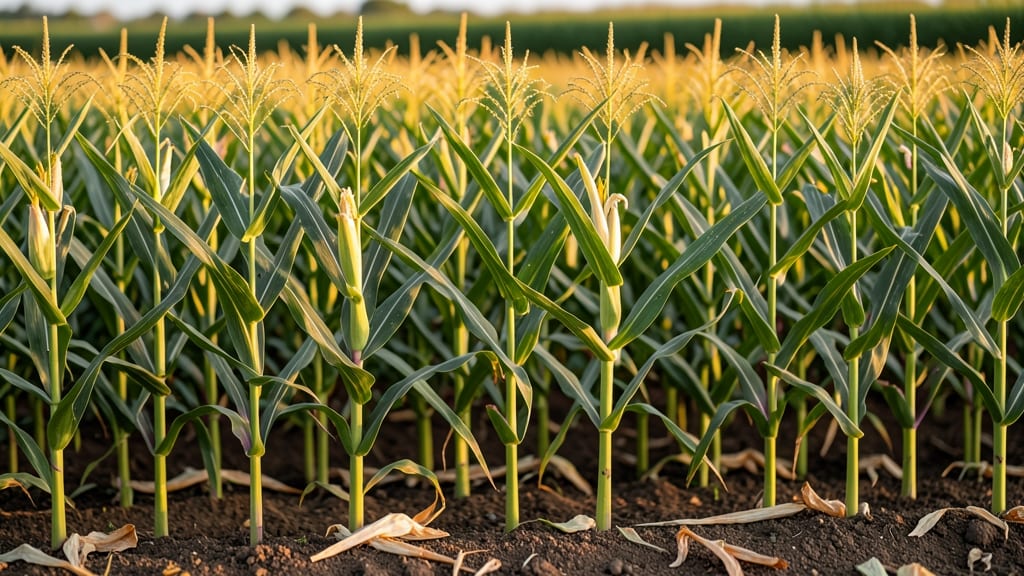
If you’ve ever planted field corn 🌽 and wondered how tall it can grow, you’re not alone.
The truth is, how tall field corn grows depends on more than just luck—it’s a mix of variety, spacing, and growing conditions that can turn your garden into a towering cornfield or leave you scratching your head at stunted plants.
Most gardeners expect their field corn to reach between 6 and 12 feet, but without the right approach, you might end up with plants that struggle to stand tall.
Whether you’re growing sweet corn for dinner or dent corn for livestock, understanding these factors is the key to maximizing your harvest—and avoiding the frustration of plants that refuse to grow.
In this guide, I’ll break down exactly what influences your corn’s height, from the variety you choose to the spacing between rows. You’ll also discover practical tips to encourage strong, healthy growth, so your stalks reach their full potential without bending under the weight of those plump ears.
Ready to turn your garden into a cornfield that puts even the tallest neighbors to shame? Let’s dive in and make sure your field corn grows as tall as it’s meant to be.


Field corn height by variety: from dwarf to giant stalks
Field corn varieties can range from 6-foot dwarf stalks to towering giants reaching over 12 feet. The height of your corn depends on its genetic makeup—whether it's a sweet corn, dent corn, or flint corn variety.
Most home gardeners grow standard varieties that reach 8 to 10 feet, but some heirloom or hybrid types can stretch even taller, especially in ideal conditions.
Genetics play a huge role in stalk height. For example, sweet corn varieties like 'Silver Queen' typically stay between 5 and 7 feet, making them easier to manage in smaller gardens.
On the other hand, dent corn varieties such as 'Country Gentleman' can soar to 10 to 12 feet, requiring more space and support. Flint corn, often used for animal feed, can also reach these heights.
Soil quality and climate further influence how tall your corn grows. Rich, well-draining soil packed with organic matter encourages taller, stronger stalks. In USDA Zone 6a or warmer, corn thrives with full sun exposure (6-8+ hours daily) and consistent moisture.
Without these conditions, even the tallest varieties may struggle to reach their full potential.
Here’s a quick look at how different corn types compare in height and growing needs:
| Variety | Mature Height | Best For | Spacing Needs |
|---|---|---|---|
| Sweet Corn (e.g., 'Silver Queen') | 5–7 feet | Home gardens, fresh eating | 12–18 inches between plants |
| Dent Corn (e.g., 'Country Gentleman') | 10–12 feet | Animal feed, large gardens | 30–36 inches between rows |
| Flint Corn (e.g., 'Black Aztec') | 8–10 feet | Heirloom, grain production | 24–30 inches between plants |
| Popcorn (e.g., 'Mushroom') | 6–8 feet | Snacking, small spaces | 12–18 inches between plants |
If you're growing corn in a small garden, opt for shorter varieties like popcorn or sweet corn. These stay manageable while still producing abundant ears. For larger plots, taller varieties like dent corn are ideal, but plan for 30+ inches between rows to prevent shading and disease.
Overcrowding can stunt growth, so spacing is just as critical as choosing the right variety.
Another factor to consider is the corn’s growth habit. Some varieties grow in a single stalk, while others produce multiple ears per stalk. Taller varieties often have fewer but larger ears, whereas shorter types may yield more ears per plant.
For example, a 10-foot dent corn plant might produce 2–3 ears, while a 6-foot sweet corn plant could yield 3–5 ears if spaced properly.
To maximize height and yield, start with healthy seeds and plant them in warm soil (60°F+). Use a balanced fertilizer (10-10-10) when plants are 6–8 inches tall, and keep the soil moist but not waterlogged.
Avoid over-fertilizing with nitrogen, as this can lead to excessive leaf growth at the expense of ear development.
In my own garden, I’ve found that dwarf varieties are perfect for containers or small urban plots, while taller types thrive in open fields. No matter the height, always stake or trellis corn if it’s over 8 feet to prevent lodging (falling over) due to wind or heavy ears.
A simple bamboo stake or corn trellis can make harvesting much easier!
Remember, the taller the corn, the more sunlight and nutrients it needs. If your stalks are leaning or struggling to stand upright, it’s a sign they need more support or better growing conditions.
With the right variety and care, your corn can reach its full potential—whether that’s a 6-foot snacking popcorn or a 12-foot giant for animal feed.
Field corn height by variety: from dwarf to giant stalks
Field corn varieties can vary dramatically in height, with some reaching 12 feet or more while others stay under 6 feet.
The most common types—dent corn, flint corn, and sweet corn—typically fall between 6 and 10 feet at maturity. Dwarf varieties (rare for field corn) might max out at 4-5 feet, while hybrid varieties can push 12 feet in ideal conditions.
Genetics play a huge role in height, but growing conditions like sunlight, soil fertility, and water availability can push stalks taller or stunt them. For example, flint corn often grows taller than sweet corn because it’s bred for grain production rather than tenderness.
If you’re growing corn for ornamental purposes, taller varieties like ‘Mira’ or ‘Country Gentleman’ can create stunning vertical accents in your garden.
Here’s a quick comparison of common field corn varieties and their typical mature heights:
| Variety | Mature Height | Best For |
|---|---|---|
| Dent Corn (e.g., 'Pioneer 33B38') | 8–12 ft | Grain production |
| Flint Corn (e.g., 'Black Aztec') | 7–10 ft | Ornamental & grain |
| Sweet Corn (e.g., 'Silver Queen') | 5–8 ft | Fresh eating |
| Popcorn (e.g., 'Mira') | 6–10 ft | Popcorn kernels |
To encourage maximum height, plant in well-draining soil rich in organic matter and ensure full sun exposure (6+ hours daily). Overcrowding can stunt growth, so space plants 12–18 inches apart in rows 30–36 inches wide.
If your corn starts leaning or breaking, it may need staking or trellising, especially in windy areas.
For shorter varieties, consider dwarf corn hybrids like ‘Golden Bantam’, which tops out at 4–5 feet and is perfect for small gardens or containers. These varieties also mature faster, making them ideal for shorter growing seasons in cooler climates.
Remember, taller corn doesn’t always mean better yields—it’s about balancing height with stalk strength. Weak stalks can snap under the weight of heavy ears, so choose varieties bred for your climate and soil type. Always check seed packets for mature height estimates before planting.