
Plants
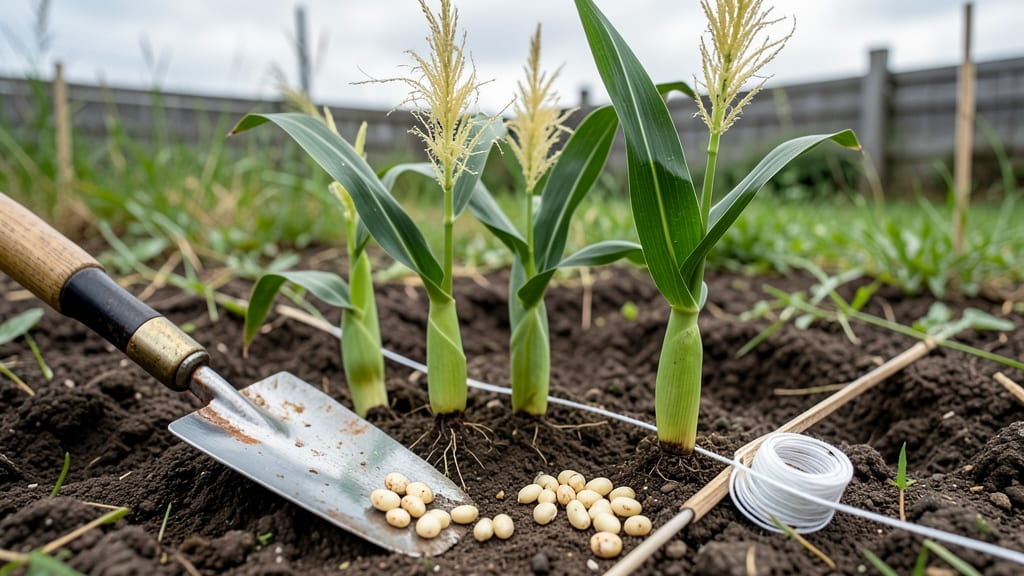
If you're dreaming of golden ears of field corn this summer but need to know when to plant field corn in NC, getting the timing right is everything—and in North Carolina, that means more than just waiting for spring.
Planting too early risks frost damage, while waiting too long cuts your harvest short. The secret to success lies in soil temperature, regional microclimates, and knowing exactly when to put those seeds in the ground for maximum yields.
North Carolina's 7a-8b climate zones create unique windows for planting, but even small differences between the Piedmont, Coastal Plain, and Mountain regions can mean the difference between a thriving crop and a failed one.
I’ll break down the exact soil temperature thresholds you need to watch for—60°F minimum—and how to test them without fancy equipment. Plus, I’ll share the ideal planting calendar for your specific corner of the state.
Most gardeners make one critical mistake: assuming "spring" is enough. The truth? Your field corn’s fate hinges on after the last frost date—typically mid-April to early May—but with adjustments for early-maturing versus late varieties.
Whether you’re growing a small home garden or planning a large-scale field, these insights will help you avoid common pitfalls and set your crop up for success.
Ready to outsmart pests, unpredictable weather, and wasted seeds? Let’s dive into the exact dates, soil prep tips, and regional tweaks that will have your field corn thriving from late summer to early fall. Your bumper crop starts with the right timing—and I’ve got the details.
Optimal soil temperature ranges for planting field corn in NC regions
Field corn thrives when planted in soil temperatures of 50°F or higher, but for fastest germination and strong root development, aim for 60°F+. North Carolina’s three distinct regions—Piedmont, Coastal Plain, and Mountains—each have unique soil warming patterns that dictate the best planting windows.
In the Coastal Plain, soil warms earliest, often reaching 60°F by late March, while the Mountains may wait until mid-to-late May due to cooler nights. The Piedmont region typically falls in between, with ideal planting temperatures arriving by early April.
Use a soil thermometer to check depth (1-2 inches down) before planting. If your soil is below 50°F, wait—cold soil delays germination and invites rot. For a DIY test, bury a potato overnight; if it feels warm to the touch in the morning, your soil is ready.
| Region | Soil Temp Threshold | Early Variety Window | Late Variety Window |
|---|---|---|---|
| Coastal Plain | 60°F+ (late March) | March 15–April 15 | April 1–May 1 |
| Piedmont | 60°F+ (early April) | April 1–April 30 | April 15–May 15 |
| Mountains | 60°F+ (mid-May) | May 1–May 15 | May 15–June 1 |
Choose early-maturing varieties (85–100 days) for cooler regions like the Mountains, where the growing season is shorter. In the Coastal Plain, you can afford late-maturing varieties (110+ days) thanks to longer frost-free periods. Always check seed packets for days to maturity to align planting with your region’s first frost date.
If your soil is slow to warm, use black plastic mulch or clear plastic tunnels to raise temperatures by 5–10°F. This trick is especially useful in the Piedmont, where soil can linger near 50°F until early April. Just remove the mulch once plants emerge to avoid overheating.
Planting too early in cold soil risks seed rot and weak seedlings, while waiting too long may reduce yields. Strike the balance by monitoring soil temps daily and adjusting your schedule based on weekly forecasts for unexpected cold snaps.
For home gardeners, a staggered planting approach works best: sow half your seeds at the ideal time, then repeat in 7–10 day intervals to extend your harvest window. This strategy also helps mitigate risks from pests like corn earworm, which thrive in warm conditions.
Pro tip: If you’re unsure about your soil’s readiness, plant a test row of fast-growing radishes alongside your corn. When the radishes sprout in 3–5 days, your corn seeds are likely ready to go too.
🌱
NC-specific planting calendar: exact dates by microclimate and corn type
North Carolina’s three distinct regions—Coastal Plain, Piedmont, and Mountains—each have unique frost dates and microclimates that dictate the perfect field corn planting window.
In the Coastal Plain, where winters are milder, you can start as early as mid-March, while the Mountains may wait until late April to avoid frost damage.
Your corn variety also matters: Early-maturing types (85–100 days) like 'Silver Queen' can handle earlier starts, while late-maturing varieties (110+ days) such as 'Golden Bantam' need warmer soil to thrive.
Check your seed packet for days-to-maturity—this determines your last possible planting date before NC’s first frost (mid-November in most areas).
🌽 Critical Tip: Use the 50°F soil temperature rule as your baseline. If your soil hasn’t warmed to this, wait—cold soil delays germination and invites rot. A soil thermometer (or even a DIY potato test) is your best friend here.
🌽 NC Field Corn Planting Calendar by Region
| Region | Early Varieties (85–100 days) | Late Varieties (110+ days) | Last Safe Planting Date | Key Risks |
|---|---|---|---|---|
| Coastal Plain | March 15–April 15 | April 1–May 1 | June 15 | Late frosts rare; drought risk in summer |
| Piedmont | April 1–May 1 | May 1–June 1 | June 30 | Frost risk until late April; variable rainfall |
| Mountains | May 1–June 1 | June 1–July 1 | July 15 | Late frosts common; shorter growing season |
*Dates based on 30-year averages; adjust for your specific microclimate.
For home gardens, aim to plant 2–3 weeks earlier than large-scale fields to extend your harvest window. In Coastal NC, you might squeeze in two plantings: one in March for early varieties and another in May for late ones.
Meanwhile, Mountain growers should focus on short-season hybrids to avoid frost.
Pro NC State Extension tip: Use black plastic mulch to warm soil faster in cooler regions. This can shave off 1–2 weeks from your planting timeline by raising soil temps by 5–10°F. Just remove it once plants emerge to prevent overheating.
Remember, field corn needs 90–120 frost-free days to mature. If you’re in Zone 7a (like the Mountains), stick to early varieties—they’re your best bet for reliable harvests. For Zone 8b (Coastal Plain), you’ve got more flexibility to experiment with heirloom or dent corn varieties.