
How To
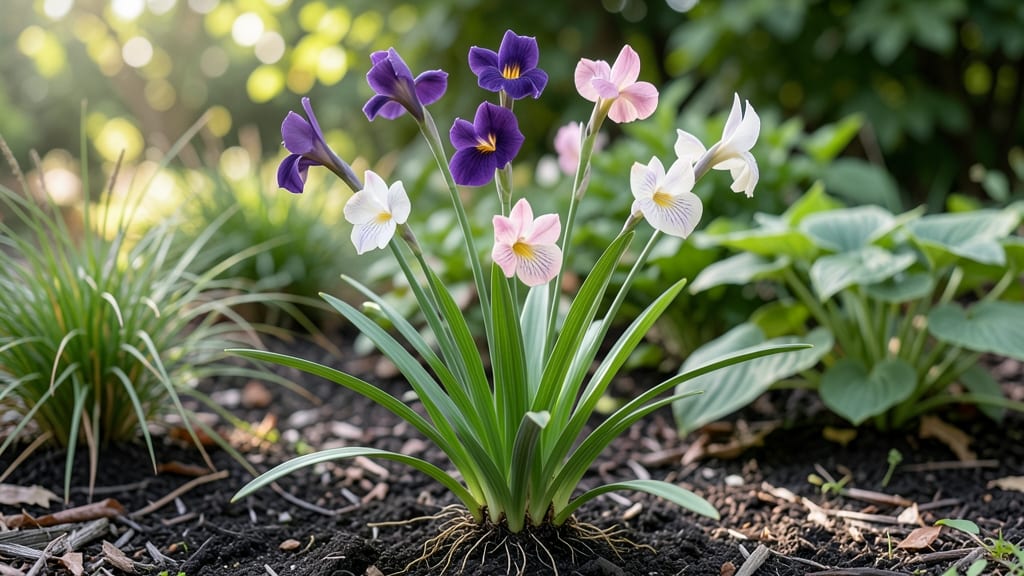
If you've ever wondered how tall does freesia grow, you're not alone—many gardeners assume these delicate 🌸 blooms stay short and compact. But with the right spacing and care, freesias can reach heights that surprise even seasoned gardeners, transforming your spring borders into eye-catching displays.
Most freesia varieties typically grow between 12 to 18 inches, but some taller cultivars can stretch up to 24 inches when given ideal conditions. The key to unlocking their full potential lies in proper spacing, soil quality, and sunlight exposure—factors that often get overlooked in planting guides.
In this guide, I’ll break down the exact spacing rules that maximize height without sacrificing blooms, plus how to adjust for containers or cut-flower arrangements.
Whether you're planting in USDA Zone 6a or just starting your spring garden, these tips will help you grow freesias that stand out in your landscape.
Ready to turn those modest bulbs into towering, fragrant displays? Let’s dive into the spacing secrets that make all the difference.


Freesia height guide: standard growth zones and varietal differences
Freesias are stunning spring bloomers that add elegant height and fragrance to gardens, but their mature size varies dramatically by variety. Most freesias reach 12 to 18 inches tall at maturity, but some dwarf types stay under 12 inches, while tall cultivars can exceed 24 inches.
Understanding these differences helps you plan borders, containers, or cut-flower arrangements with confidence.
When planning your freesia garden, consider that height progression happens in stages. Early spring shoots may only reach 3-6 inches before flowering, but rapid growth occurs once buds form. By mid-summer, most freesias will have reached their peak height, making them perfect for filling gaps in late-spring displays.
Here’s where freesia height gets interesting: varietal selection is key. Dwarf freesias like 'Blue Bird' or 'Margarita' max out around 8-12 inches, ideal for rock gardens or window boxes.
Standard types such as 'Fire Dance' or 'Golden Ratio' typically hit 15-18 inches, while tall hybrids like 'Mystic' can stretch to 24 inches or more—perfect for back-of-border planting.
| Variety Type | Mature Height | Best Uses | Growth Notes |
|---|---|---|---|
| Dwarf | 8-12 inches | Containers, rock gardens, window boxes | Compact stems; needs less staking |
| Standard | 15-18 inches | Cut flowers, borders, mixed beds | Balanced height; ideal for arrangements |
| Tall Hybrids | 20-24+ inches | Back-of-border, tall arrangements | May need staking; longer vase life |
Seasonal height progression matters too. Freesias planted in early spring (after last frost) will grow 3-5 inches per week during peak bloom season. If you’re growing them as annuals in colder zones, expect full height by late May to early June.
For perennial freesias (in zones 8-10), height stabilizes by second year, with some varieties even reblooming in mild winters.
Pro tip: Soil fertility directly impacts height. Amend your planting area with compost or balanced fertilizer (5-10-10) at planting time to encourage taller, sturdier stems.
Avoid over-fertilizing with nitrogen, which can lead to leafy growth at the expense of blooms. Instead, focus on phosphorus and potassium to support flower production.
Light conditions also play a role. While freesias thrive in partial sun (6 hours daily), they’ll reach their maximum height with morning sun and afternoon shade. Too much direct afternoon sun can cause stems to flop or scorch, reducing their vertical appeal.
If you’re growing freesias in containers, choose pots with good drainage and place them where they get bright, indirect light.
For cut-flower arrangements, taller freesias (18+ inches) are ideal because their long, slender stems hold up well in vases. If you’re growing freesias for borders or mass plantings, mix heights—place dwarf varieties in front and tall types in back to create a staggered, layered effect.
This not only maximizes height but also adds visual interest to your garden design.
Remember, freesia height isn’t just about aesthetics—it’s also about airflow and disease prevention. Taller stems with proper spacing reduce humidity around foliage, lowering the risk of fungal issues like botrytis.
We’ll dive deeper into spacing secrets in the next section to help you get the tallest, healthiest blooms possible.
Optimal spacing for freesia blooms: crowding vs. airflow secrets
Proper spacing transforms freesia from floppy stems to towering displays. Most varieties reach 12-24 inches tall, but crowded plants struggle to support their own weight, leading to bending or flopping blooms. The key? Give each bulb 3-6 inches of space—this ensures strong stems and maximizes airflow to prevent fungal diseases.
For border plantings, space freesia bulbs 3-4 inches apart in rows 6 inches apart. This creates a dense yet structured look while allowing each stem to grow vertically. In containers, reduce spacing to 2-3 inches between bulbs, but limit groups to 3-5 bulbs per container to avoid overcrowding.
When planning for cut-flower arrangements, wider spacing pays off. Stems grow straighter and taller when they’re not competing for nutrients. Aim for 5-6 inches between bulbs in dedicated cutting gardens.
This extra room lets freesia reach its maximum height—often 24 inches or more—while producing longer, sturdier stems perfect for vases.
🌱 Spacing Comparison for Freesia
| Planting Scenario | Spacing (inches) | Expected Height | Best For |
|---|---|---|---|
| Border Planting | 3-4 inches apart | 12-18 inches | Landscape beds, garden edges |
| Container Groups | 2-3 inches apart | 8-12 inches | Patio pots, window boxes |
| Cut-Flower Garden | 5-6 inches apart | 18-24 inches | Long-stemmed blooms |
| ⚠️ Overcrowded Plants: Stems bend, blooms flop, and growth is stunted. | |||
Overcrowding is the silent killer of freesia height. When bulbs are planted too closely, they compete for nutrients and water, resulting in shorter, weaker stems. In extreme cases, stems may not even reach 6 inches tall.
To fix overcrowded plantings, gently transplant excess bulbs to a new area after flowering, or thin the clump by removing every other bulb.
For tall varieties like 'Blue Bird' or 'Golden Hour,' prioritize airflow by spacing bulbs 6 inches apart. These cultivars naturally grow 24+ inches tall, but their delicate stems need room to straighten.
Pair them with lightweight stakes or let them lean against garden borders for natural support without sacrificing height.
Remember: Airflow is your ally. Freesia thrives in partial sun with morning light, but crowded plantings trap moisture, inviting rot and fungus. Space bulbs properly, and you’ll unlock freesia’s full height potential—turning your garden into a fragrant, towering masterpiece. 🌸