
How To
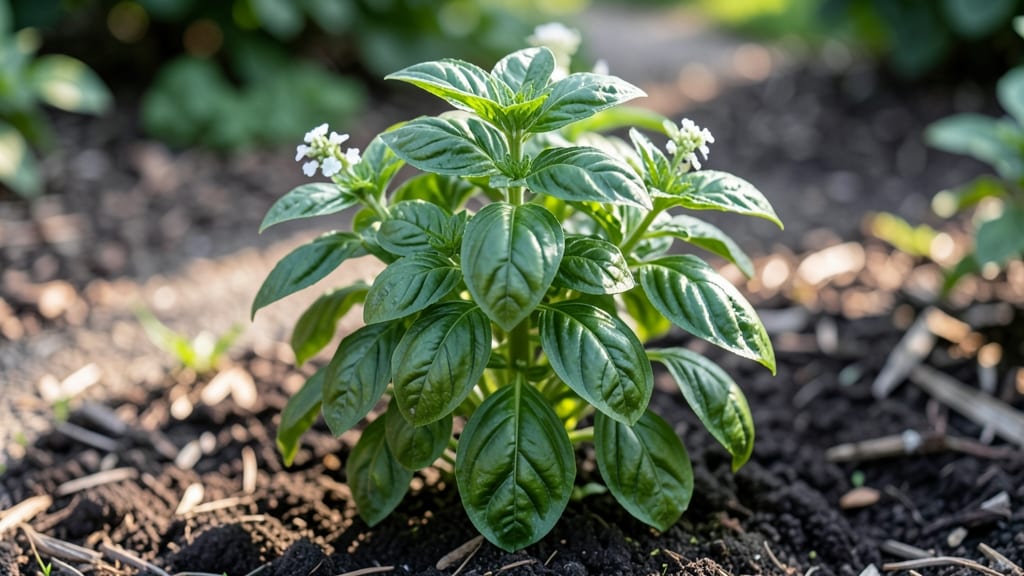
Genovese basil height by growing method: containers vs garden soil
Genovese basil thrives differently depending on whether it grows in containers or garden soil. In open garden beds, this Italian heirloom variety typically reaches 18–24 inches tall at maturity, while container-grown plants stay more compact at 5–12 inches.
The difference comes down to root space, pruning habits, and competition for nutrients.
Your growing method directly impacts not just height but also flavor intensity and yield. For example, a basil plant in a 5-gallon pot will grow taller than one in a 1-gallon container, but both will benefit from regular pruning to encourage bushier growth.
Let’s break down the exact height expectations and what influences them.
| Growing Method | Mature Height | Key Factors | Best For |
|---|---|---|---|
| Garden Soil | 18–24 inches | Full root spread, 6+ hours sun, regular pruning | Max yield, traditional pesto |
| 5-Gallon Containers | 12–18 inches | Limited root space, daily watering, frequent harvesting | Balconies, patios, small spaces |
| 1-Gallon Containers | 5–10 inches | Extreme root restriction, aggressive pruning, high sunlight | Window sills, microgreens, flavor focus |
Notice how container size dramatically affects height. A 1-gallon pot forces basil to grow upward rather than outward, while a 5-gallon container gives it enough room to spread. In garden beds, basil naturally grows taller because it has unrestricted root growth and more access to nutrients.
Another critical factor is pruning frequency. If you never pinch back stems, Genovese basil can grow 30% taller than expected, but the flavor often suffers. Regular pruning—removing the top sets of leaves—encourages bushier growth and more aromatic leaves. I recommend pruning every 2–3 weeks during the growing season.
Sunlight also plays a role. While Genovese basil needs 6+ hours of full sun daily, insufficient light can make plants leggy and weak, stretching toward light sources. In shady conditions, expect heights to shrink by 30–50%. Always place your basil where it gets direct morning sunlight.
Finally, the soil mix impacts height. Well-draining, nutrient-rich soil helps basil grow stronger and taller, while compacted or poor soil stunts growth. Mix in compost or worm castings before planting to give your basil the best start. Avoid heavy clay soils, which can suffocate roots and limit height.
For container gardeners, container depth matters too. Basil needs at least 6–8 inches of soil depth to develop a strong root system. Shallow pots (like those for herbs) often lead to shorter, weaker plants.
If you’re using containers, opt for fabric grow bags or deep ceramic pots for better drainage and root health.
One common misconception is that taller basil equals better flavor. In reality, overgrown basil often has milder, woody stems and fewer leaves for harvesting. The sweetest, most flavorful basil comes from well-pruned, compact plants, whether in containers or garden beds.
Always prioritize harvesting leaves over letting the plant grow tall.
To visualize the differences, imagine a 2-foot-tall plant in your garden bed versus a 1-foot-tall bush in a pot on your patio. Both can produce delicious leaves, but their growth habits—and your care approach—will differ completely. The key is understanding these differences to control height while maximizing flavor and yield.
Genovese basil height by growing method: containers vs garden soil
Genovese basil thrives when you understand its height potential—it’s not one-size-fits-all! In containers, these plants typically stay compact at 5–12 inches tall, while in open garden soil, they can stretch to 18–24 inches.
The difference comes down to root space and pruning habits, not just genetics.
If you’re growing Genovese basil in containers, expect slower vertical growth because roots compete for space. However, without proper care, even potted plants can become leggy and top-heavy. In garden beds, the lack of root restriction lets them grow taller—though this isn’t always better for flavor or yield.
Here’s how the two growing methods compare in terms of height, care needs, and flavor impact:
| Growing Method | Mature Height | Root Space | Pruning Needs | Flavor Impact |
|---|---|---|---|---|
| Containers | 5–12 inches | Limited (5+ gallons) | High (pinch often) | Concentrated, sweeter |
| Garden Soil | 18–24 inches | Unrestricted | Moderate (prune to shape) | Milder, more spread out |
For containers, choose pots with at least 5-gallon capacity to avoid root-bound stress. Smaller pots (under 3 gallons) will stunt growth and lead to bitter-tasting leaves. In garden beds, space plants 12–18 inches apart to prevent overcrowding, which forces them to stretch upward.
Sunlight plays a huge role in height control. Genovese basil needs 6+ hours of direct sun daily to stay compact. Without enough light, it grows tall and leggy, with weak stems and sparse leaves.
Even in containers, place them in the sunniest spot you have—like a south-facing window or balcony.
Pro tip: If your Genovese basil starts reaching 18 inches in a container, it’s time to prune aggressively or transplant it to a larger pot. The goal is a bushy, flavorful plant, not a towering stalk.
Regular pinching (removing top sets of leaves) encourages side shoots, which boost yield and flavor.