
How To
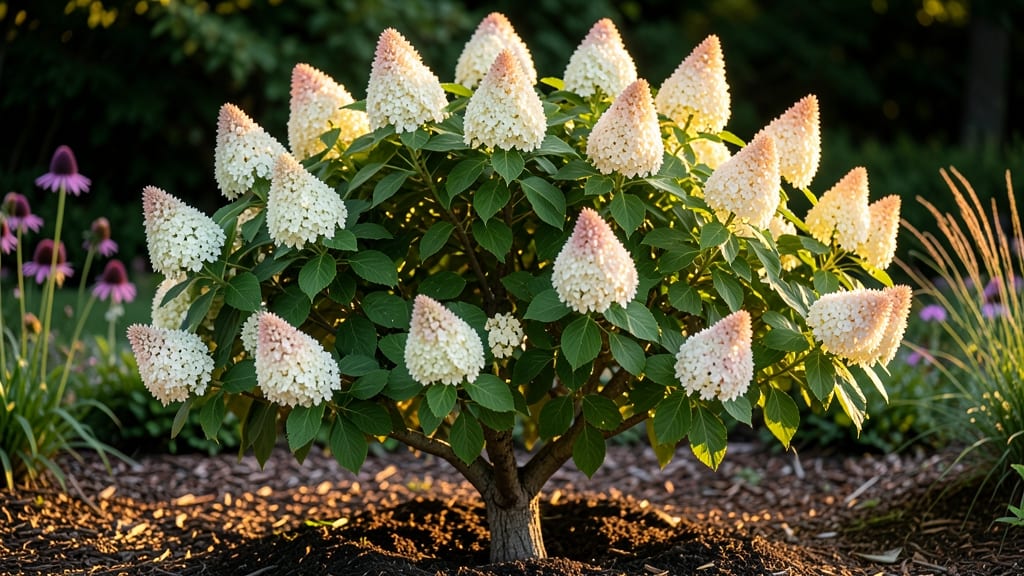
Wondering how tall does hydrangea tree grow and whether it’ll dominate your backyard? The answer depends entirely on the variety you choose—some stay compact while others reach towering heights.
A Hydrangea Tree 🌸 like Hydrangea paniculata can soar up to 15 feet, while dwarf varieties like Hydrangea arborescens stay under 5 feet.
If you’re planning your garden layout, knowing these height ranges is the key to avoiding overcrowding or pruning headaches later. Whether you want a statement piece or a neat border, understanding growth patterns helps you pick the perfect fit for your space.
Ready to discover which varieties suit your yard best? I’ll break down the most popular types, their mature heights, and how to keep them at your desired size with simple pruning tips. Let’s get started!
From 6-foot shrubs to 20-foot giants, hydrangea trees offer endless options—so you can create the look you love without the guesswork. Let’s explore how to choose and care for yours.


Hydrangea tree height by variety: from compact shrubs to towering giants
The hydrangea tree isn't just one plant—it's a whole family of varieties with wildly different heights. Some stay as compact as a 3-foot shrub, while others stretch toward the sky like a 20-foot tree.
Knowing your variety’s mature size helps you plan spacing, pruning, and even where to plant it in your yard.
For example, the dwarf hydrangea varieties like Hydrangea arborescens 'Annabelle' max out at 3-5 feet, perfect for small gardens or containers. On the other end, Hydrangea paniculata varieties like 'Limelight' can reach 12-15 feet, making them statement plants for large backyards or privacy screens.
Here’s the key: growth rate matters too. Some varieties grow 2-3 feet per year, while others take decades to reach their full height. Let’s break down the most popular types so you can pick the right fit for your space.
| Variety | Mature Height | Growth Rate | Best For |
|---|---|---|---|
| Hydrangea arborescens 'Annabelle' | 3–5 ft | 1–2 ft/year | Containers, small gardens |
| Hydrangea paniculata 'Limelight' | 10–15 ft | 2–3 ft/year | Privacy screens, large yards |
| Hydrangea quercifolia (Oakleaf) | 6–12 ft | 1–2 ft/year | Shade gardens, woodland edges |
| Hydrangea macrophylla (Bigleaf) | 3–6 ft | 6–12 inches/year | Borders, patio plantings |
| Hydrangea petiolaris (Climbing) | 20–30 ft (with support) | 3–5 ft/year | Trellises, fences, large walls |
If you’re working with limited space, dwarf varieties like 'Annabelle' or 'Endless Summer' are your best bet. They stay under 5 feet and thrive in containers or tight borders.
For bold statements, Hydrangea paniculata types like 'Grandiflora' or 'Little Lime' (a semi-dwarf at 6-8 feet) add drama without overwhelming smaller yards.
Pro tip: Check the plant tag when buying—it’ll list the mature height and growth rate. If you’re unsure, ask your local nursery for recommendations based on your yard size and sunlight.
A 6-foot hydrangea in a 3-foot-wide bed will look cramped, while a 15-foot variety in a corner can create a stunning focal point.
Remember, pruning can influence height—even if a variety grows tall, strategic cuts can keep it manageable. For example, Hydrangea arborescens blooms on old wood, so heavy pruning reduces flowers. Meanwhile, Hydrangea paniculata blooms on new wood, making it easier to control with annual pruning.
For fast-growing varieties, expect 2-3 feet of growth per year in ideal conditions (rich soil, partial shade, and consistent moisture). Slower growers like Hydrangea quercifolia take 5-10 years to reach maturity, so patience is key if you’re planting for long-term impact.
🌿
Hydrangea tree height by variety: from compact shrubs to towering giants
Choosing the right hydrangea tree for your space starts with understanding their mature heights. Some varieties stay under 5 feet, while others can reach 20 feet—making a huge difference in your landscape plan.
The Hydrangea paniculata group, for example, often grows taller than Hydrangea arborescens, which stays more compact. Knowing these differences helps you avoid overcrowding or underutilized space in your garden.
If you’re working with limited space, dwarf varieties like 'Little Lime' (Hydrangea paniculata) max out at just 3–4 feet, while standard types like 'Grandiflora' can soar to 12–15 feet.
Even within the same species, growth habits vary—some spread wider, others grow taller. This variety-specific guide will help you pick the perfect fit for your yard, patio, or even container gardening.
| Variety | Mature Height | Growth Rate | Best For |
|---|---|---|---|
| Hydrangea paniculata 'Limelight' | 8–12 ft | Fast (1–2 ft/year) | Backyard focal points |
| Hydrangea arborescens 'Annabelle' | 3–5 ft | Moderate (6–12 in/year) | Containers, small gardens |
| Hydrangea quercifolia 'Snow Queen' | 10–15 ft | Slow to moderate | Woodland gardens, shade |
| Hydrangea paniculata 'Little Lime' | 3–4 ft | Slow (3–6 in/year) | Patios, borders |
| Hydrangea macrophylla 'Nikko Blue' | 4–6 ft | Moderate (8–12 in/year) | Shady spots, foundation plantings |
For container gardening, stick to dwarf or semi-dwarf varieties like 'Little Lime' or 'Annabelle'. These thrive in 5-gallon pots and can be moved seasonally. Larger varieties need at least 15-gallon containers and regular pruning to control their spread.
Always check the root ball size at purchase—it’s a dead giveaway for future growth potential.
Pro tip: If you love the look of a tall hydrangea but have limited space, consider espalier training. This technique flattens the plant against a fence or wall, letting you enjoy its height without sacrificing yard space.
Just be sure to prune during late winter to encourage new growth in spring.
Remember, soil quality and sunlight exposure also influence height. Rich, well-draining soil with partial shade (4–6 hours of sun) helps hydrangeas reach their full potential. Overwatering or poor drainage can stunt growth, while full sun may cause stress in some varieties.
Always match your hydrangea’s needs to your garden’s conditions for the best results.
Now that you know the height ranges, you’re ready to pick the perfect hydrangea for your space—whether it’s a statement-making giant or a compact container star. Happy planting! 🌸