
How To
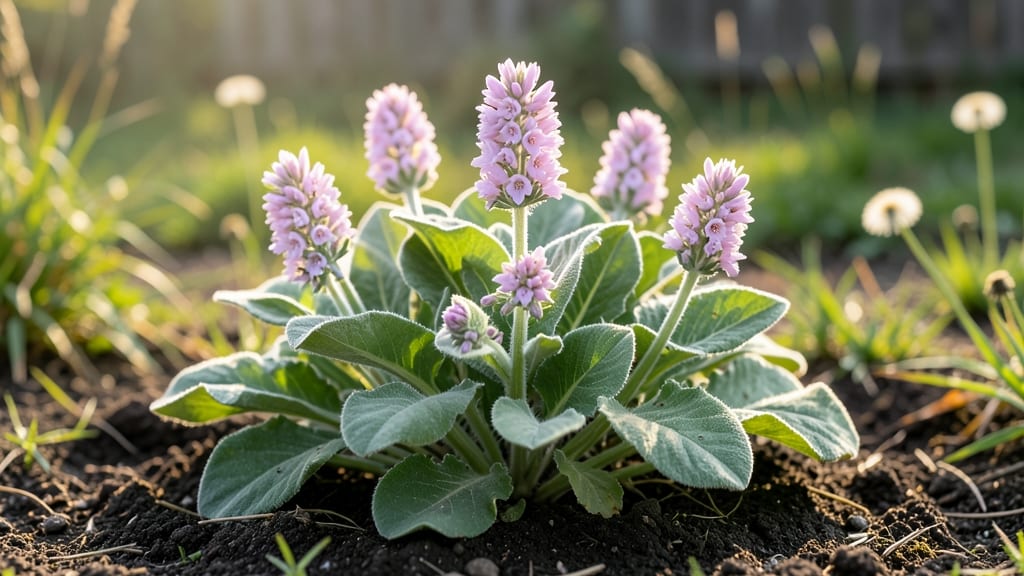
Curious how tall does marshmallow grow before it becomes a garden showstopper? This fluffy, white-blooming herb can reach heights that’ll surprise you—some varieties stretching up to 5 feet or more, while others stay compact.
Whether you’re planning a cottage garden or a small container setup, knowing these growth ranges is key to avoiding crowded flowerbeds or awkward spacing.
Marshmallow (Althaea officinalis) isn’t just pretty—it’s a perennial powerhouse that thrives in USDA Zone 6a and beyond. Plant it in spring (March–April), and by its second year, you’ll see those signature cloud-like blooms towering over your space.
The good news? With the right cultivar, you can control its height—whether you want a dramatic backdrop or a dainty border plant.
In this guide, I’ll break down the exact height ranges for popular varieties, plus pro tips to manage growth naturally. No more guessing—just confident garden planning. Let’s get started!
Ready to transform your garden with easy-care marshmallow? You’ll learn which cultivars fit your space, how to support tall varieties, and why some gardeners swear by pruning for bushier blooms. Let’s dive in!


Marshmallow plant height by cultivar: a detailed growth chart
When planning your garden, the height of marshmallow plants (Althaea officinalis) is one of the first things to consider. These stately perennials can range from 3 feet to over 6 feet tall, depending on the cultivar and growing conditions.
Understanding these variations helps you choose the perfect variety for your space—whether you’re creating a cottage garden or a modern border.
Most marshmallow varieties mature between 3 and 5 feet, but some can reach 6 feet or taller with ideal care. Dwarf varieties are rare, but compact selections exist for smaller gardens.
Below, I’ve compiled a growth chart of popular cultivars, including their mature heights, spacing needs, and ideal garden uses.
🌱 Pro Tip: Always check the cultivar tag when purchasing plants, as height can vary even within the same species. Some nurseries sell "giant" varieties that may exceed standard expectations.
If you’re working with limited space, opt for shorter varieties like ‘Major’ or ‘White King’, which stay between 3 and 4 feet tall. For a dramatic backdrop, ‘Chater’s Double’ or ‘Black Prince’ will tower over your garden, reaching 5 to 6 feet.
🌿 Garden Placement Tip: Space taller varieties 2–3 feet apart to prevent overcrowding. In small gardens, consider dwarf varieties or prune aggressively to keep them in check.
Marshmallow plants are perennials, meaning they’ll grow taller each year. In their first year, expect heights of 1–2 feet, while mature plants in years 2–3 can reach 3–5 feet.
With proper care, some varieties may even exceed these ranges, especially in rich, well-drained soil with full sun exposure.
💡 Height Hack: For container gardening, choose dwarf-friendly varieties like ‘
How to control marshmallow plant height: pruning and support tips
If your marshmallow plant (Althaea officinalis) is reaching for the sky faster than you planned, don’t panic! With the right pruning techniques and support structures, you can guide its growth to fit your garden’s vision—whether that’s a compact cottage border or a towering floral backdrop.
The key is timing and consistency, so let’s dive into the best methods to manage height naturally.
First, understand that marshmallow plants grow 3–5 feet tall at maturity, but their first-year growth is often more modest (1–2 feet). This means early intervention can make a big difference.
Start by deadheading spent blooms regularly to redirect energy into bushier growth rather than tall, leggy stems. This simple step can reduce height by 20–30% over a season.
For varieties like ‘Chater’s Double’ or ‘Nigra’, which can top 5 feet, consider staking or trellising to support their height while preventing flopping. Use bamboo stakes or pea trellises inserted at planting time, gently tying stems with soft twine as they grow.
This not only controls height but also protects blooms from wind damage.
🌿 Step-by-Step Pruning & Support Guide
- Deadhead Regularly: Snip off spent blooms at the first flower node to encourage side shoots and bushier growth.
- Prune in Early Spring: Cut back 1/3 of the plant’s height before new growth begins to reset growth patterns.
- Install Stakes Early: Place 3–4 stakes per plant at planting to support vertical growth without bending stems.
- Use Soft Ties: Secure stems with velcro strips or fabric ties to avoid stem damage as the plant grows.
- Fertilize Lightly: Apply a balanced fertilizer (5-10-10) in early spring to promote compact, sturdy growth.
Another trick for controlling height is pinching back young plants when they reach 12–18 inches tall. This encourages the plant to branch out instead of shooting upward. Just pinch off the top 2–3 inches of the main stem with your fingers—no tools needed!
Repeat this every 4–6 weeks during the growing season for the best results.
If your marshmallow is already too tall for its space, don’t hesitate to prune back aggressively in late summer. Cut stems down to 12–18 inches tall to stimulate new growth before fall. This method works especially well for perennial varieties, which bounce back stronger each year.
Just avoid heavy pruning in fall or winter, as the plant needs energy to establish roots for next season.
For container gardening, choose dwarf varieties (though true dwarf marshmallows are rare) or prune regularly to keep plants under 3 feet tall. Use smaller pots (12–18 inches wide) and limit fertilizer to slow growth. Remember, root-bound plants grow slower, so don’t rush to repot!
With these techniques, you’ll have full control over your marshmallow’s height—whether you want a neat border plant or a dramatic focal point. Happy pruning! 🌸