
How To
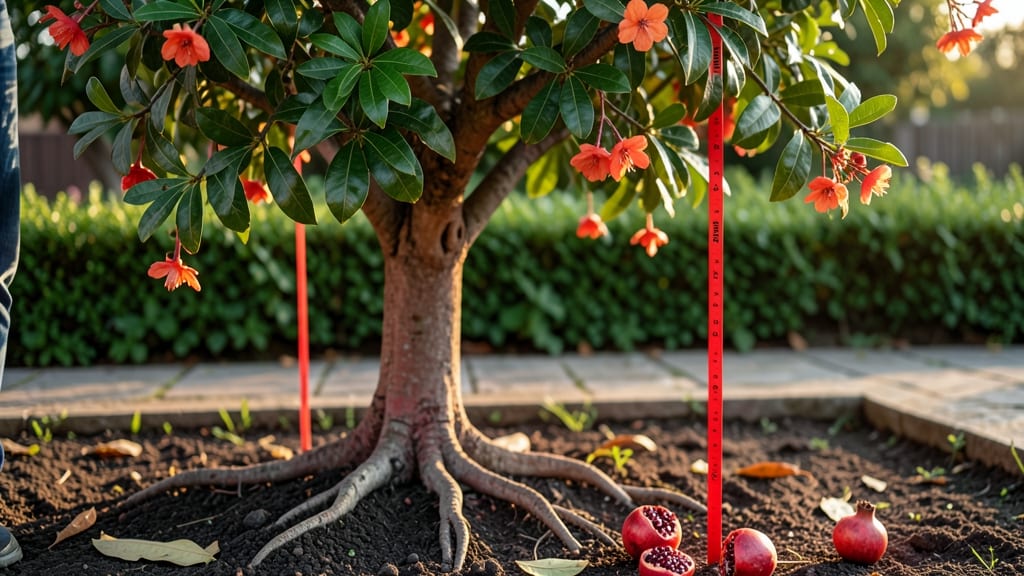
If you're wondering how tall does pomegranate grow, the answer might surprise you—these striking 🍇 trees can range from compact shrubs to towering specimens, depending on the variety and care you provide.
Some dwarf types stay neatly under 6 feet, making them perfect for small gardens or even container growing, while standard varieties can stretch up to 15 feet in ideal conditions.
For gardeners in USDA Zone 6a, where spring planting (April–May) is key, choosing the right variety is the first step to managing height. Whether you prefer a low-maintenance bush or a classic tree shape, understanding growth patterns helps you plan for space and fruit accessibility.
The good news? Pruning plays a huge role in controlling size, so even tall varieties can be kept manageable with the right techniques.
Let’s break down the height differences between popular pomegranate types—from dwarf varieties that thrive in pots to standard trees that need more room. You’ll also discover how climate, pruning, and seasonal care influence growth, so you can tailor your approach to your garden’s needs.
Ready to grow your own 🍇? By the end, you’ll know exactly which varieties fit your space and how to keep them at your ideal height—no guesswork required.


Pomegranate tree height by variety: compact vs. tall options
Pomegranate trees are stunning ornamental plants that produce nutrient-rich fruit, but their mature size varies dramatically between varieties. If you're planning your garden layout, knowing these height differences will help you choose the perfect pomegranate for your space.
Some varieties stay under 6 feet tall, while others can soar to 15 feet or more.
Standard varieties like 'Wonderful' and 'Eversweet' are the most common in home gardens, typically reaching 10–15 feet tall at maturity. These trees are perfect for larger yards or as focal points in landscapes.
However, if you have limited space, dwarf varieties like 'Nana' or 'Sweetheart' can be pruned to stay under 6 feet, making them ideal for containers or small gardens.
Here’s how pomegranate tree height compares across popular varieties, including growth habits and ideal planting scenarios:
When selecting a pomegranate variety, consider not just height at maturity but also how quickly they grow. Younger trees (under 3 years old) grow 1–2 feet per year, while established trees may add 2–3 feet annually in ideal conditions.
For example, a 'Wonderful' pomegranate might reach 6 feet by year 3 but continue growing taller in subsequent years.
If you’re growing pomegranates in containers or urban settings, choose dwarf or semi-dwarf varieties like 'Nana' or 'Sweetheart'. These stay manageable even in 5-gallon pots and can be pruned to maintain a 4–6 foot height.
Always ensure your container has drainage holes and use a well-draining potting mix to prevent root rot.
For larger gardens, standard varieties like 'Wonderful' or 'Eversweet' are excellent choices, but plan for their 10–15 foot mature height. These trees thrive in full sun and well-drained soil, so choose a location with at least 6–8 hours of sunlight daily.
Their spreading branches also make them great for privacy screens or ornamental hedges when planted in a row.
One common misconception is that all pomegranates require massive space. In reality, with proper pruning and care, even standard varieties can be kept under 8 feet tall.
I’ve successfully grown 'Wonderful' pomegranates in my small backyard by pruning them annually and training them to a central leader. This technique keeps the tree compact and fruit-bearing while still allowing it to produce abundant harvests.
For those in USDA Zones 7–11, pomegranates are drought-tolerant once established, but their growth rate slows in shady or wet conditions.
If you live in a cooler climate (Zone 6 or below), opt for dwarf varieties or plant in a sheltered microclimate to protect them from late frosts. Mulching around the base with organic matter helps regulate soil temperature and retains moisture.
🌱
Pomegranate tree height by variety: compact vs. tall options
Pomegranate trees offer a stunning range of heights, from dwarf varieties perfect for containers to tall specimens that need ample yard space. The 'Wonderful' variety, a classic, typically reaches 10–15 feet tall in ideal conditions, while dwarf cultivars like 'Nana' stay under 4–6 feet.
Your garden’s layout and sunlight exposure will influence which type thrives best.
If you’re working with limited space, bush-trained or semi-dwarf varieties are excellent choices. These grow 6–10 feet tall but maintain a wider, more manageable shape.
For larger properties, standard varieties like 'Eversweet' can grow up to 20 feet if left unpruned, though they’re often pruned to 6–10 feet for easier fruit harvesting.
| Variety | Mature Height (ft) | Growth Habit | Best For |
|---|---|---|---|
| 'Wonderful' | 10–15 ft | Upright, spreading | Large gardens, fruit production |
| 'Eversweet' | 12–20 ft | Tall, vigorous | Rural areas, large landscapes |
| 'Nana' | 4–6 ft | Compact, bushy | Containers, small yards |
| 'Sweetheart' | 6–8 ft | Semi-dwarf, rounded | Medium gardens, urban spaces |
| 'Globe' | 8–12 ft | Upright, dense | Fruit production, pruned hedges |
When selecting a variety, consider your climate zone and sunlight exposure. Pomegranates thrive in USDA Zones 7–11 and need full sun (6+ hours daily). In cooler regions, dwarf varieties like 'Nana' may struggle, while standard varieties can become leggy without proper pruning.
For urban gardeners or balcony growers, container-friendly varieties like 'Sweetheart' or 'Globe' are ideal. These can be grown in 15–20 gallon pots with well-draining soil and regular pruning to control height. Always choose a pot with drainage holes to prevent root rot.
If you’re unsure which variety to pick, start with 'Wonderful'—it’s versatile, disease-resistant, and adapts well to pruning for size control. Just remember: young pomegranate trees grow fast, so plan for their mature height from day one.
🌱