
How To
Mock orange height by variety: exact growth ranges explained
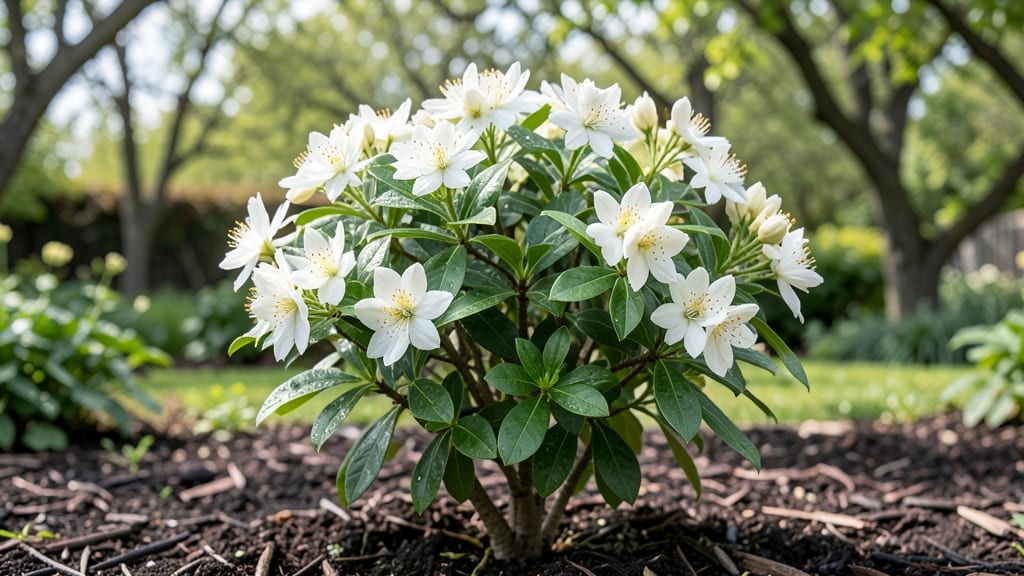
Mock orange (Philadelphus) is one of those versatile shrubs that can fit into almost any garden size—whether you're working with a cozy container garden or a sprawling landscape.
The key to planning your space lies in understanding how each variety grows, as heights can range from compact 3-foot wonders to towering 12-foot giants. If you're envisioning a fragrant hedge or a statement plant, knowing these ranges will help you choose the perfect fit.
Most mock orange varieties reach their mature height within 3 to 5 years, though growth rates vary. For example, dwarf varieties like 'Miniature Snowflake' stay under 4 feet tall, while standard types like 'Belle Etoile' can soar to 10 feet or more.
The secret to controlling their size? Pruning after flowering and selecting the right cultivar for your space.
Below, I’ve broken down the exact height ranges for popular mock orange varieties, so you can visualize how they’ll look in your garden. Whether you’re planning a small urban yard or a rural landscape, these details will help you space your plants correctly and avoid overcrowding.
Pro Tip: Mock orange grows best in USDA Zones 4–9, so if you’re in a colder climate, expect slightly slower growth in the first few years. In warmer zones, these shrubs can grow faster and taller with ideal conditions.
| Variety | Mature Height | Growth Rate (Per Year) | Best For |
|---|---|---|---|
| 'Minnesota Snowflake' | 3–4 feet | 6–12 inches | Containers, small gardens, hedges |
| 'Aureus' | 6–8 feet | 12–18 inches | Privacy screens, mixed borders |
| 'Belle Etoile' | 8–10 feet | 18–24 inches | Large landscapes, focal points |
| 'Delight' | 4–5 feet | 8–12 inches | Urban gardens, patios |
| 'Valley Sun' | 6–8 feet | 12–18 inches | Sunny borders, wildlife gardens |
If you’re planning a mock orange hedge, aim for 4–6 feet apart when planting dwarf varieties like 'Minnesota Snowflake' to allow room for airflow and growth. For taller varieties like 'Belle Etoile', space them 8–10 feet apart to prevent overcrowding and ensure each plant gets enough sunlight.
One of the most misunderstood aspects of mock orange growth is how quickly they reach maturity. While some varieties like 'Aureus' can grow 1–2 feet per year, others like 'Delight' grow more slowly. Patience is key—don’t expect a 6-foot shrub in the first year!
Most mock orange plants take 3–5 years to reach their full potential height.
For container gardening, stick to dwarf varieties like 'Miniature Snowflake' or 'Delight'. These thrive in 15–20 gallon pots and can be easily moved to extend their bloom time. Just ensure your container has drainage holes and use a well-draining potting mix to prevent root rot.
If you’re aiming for a fragrant focal point, taller varieties like 'Belle Etoile' or 'Valley Sun' will make a stunning backdrop for perennials or annuals. Their sweetly scented blooms in late spring to early summer add a magical touch to any garden.
Just be prepared for some regular pruning to keep them in check!
Remember, mock orange’s height isn’t the only factor—their spreading habit also matters. Most varieties grow 3–5 feet wide, so leave extra space if you want to avoid future pruning battles.
With the right variety and care, you’ll have a low-maintenance, fragrant shrub that fits perfectly into your garden vision.
🌸
Mock orange height by variety: exact growth ranges explained
Mock orange (Philadelphus) shrubs offer a stunning range of heights, from compact 3-foot wonders to towering 12-foot giants, depending on the variety.
If you're planning your garden layout, knowing these exact growth ranges will help you choose the perfect fit for your space—whether it's a small courtyard or a large landscape border. Some varieties even stay under 4 feet, making them ideal for containers or tight spaces.
For example, the 'Minnesota Snowflake' variety typically reaches 6 to 8 feet at maturity, while 'Belle Etoile' can soar to 10 to 12 feet, creating a dramatic focal point. Dwarf varieties like 'Douglasii' max out around 4 to 6 feet, perfect for hedges or foundation plantings.
Understanding these differences ensures you allocate the right space for each plant’s mature size.
| Variety | Mature Height | Growth Rate (per Year) | Best For |
|---|---|---|---|
| 'Minnesota Snowflake' | 6–8 ft | 1–2 ft | Borders, small gardens |
| 'Belle Etoile' | 10–12 ft | 2–3 ft | Focal points, large landscapes |
| 'Douglasii' | 4–6 ft | 1 ft | Containers, hedges |
| 'Aureus' | 8–10 ft | 1.5–2 ft | Privacy screens, mixed borders |
| 'Virginal' | 6–8 ft | 1–2 ft | Small gardens, urban yards |
Most mock orange varieties grow 1 to 3 feet per year, so a 6-foot shrub might take 2 to 3 years to reach maturity from a bare-root planting. This steady growth makes them predictable for long-term planning.
If you're working with limited space, dwarf varieties like 'Douglasii' are excellent choices, while taller varieties like 'Belle Etoile' can create stunning vertical interest in larger gardens.
When planting, always check the spacing recommendations for your specific variety. For example, a 10-foot mock orange should be planted 8 to 10 feet away from other shrubs or structures to allow for full growth without crowding.
Proper spacing also improves airflow, reducing the risk of fungal diseases that can affect overcrowded plants.
If you're unsure which variety to choose, consider your garden’s light conditions and available space. Mock orange thrives in partial shade, making it a versatile option for woodland gardens or shady corners.
For sunny spots, taller varieties like 'Aureus' can handle more light but may need extra water during dry spells.
Remember, mock orange’s height isn’t just about aesthetics—it also affects pruning needs and winter hardiness. Taller varieties may require staking in windy areas, while dwarf varieties can be easily maintained with light trimming.
Whether you're aiming for a romantic cottage garden or a modern minimalist look, there’s a mock orange variety to match your vision.
For a fragrant, low-maintenance shrub that fits your space perfectly, start by selecting the right variety based on its mature height. With the right placement, your mock orange will reward you with years of blooms and a heavenly scent that fills your garden in late spring.