
How To
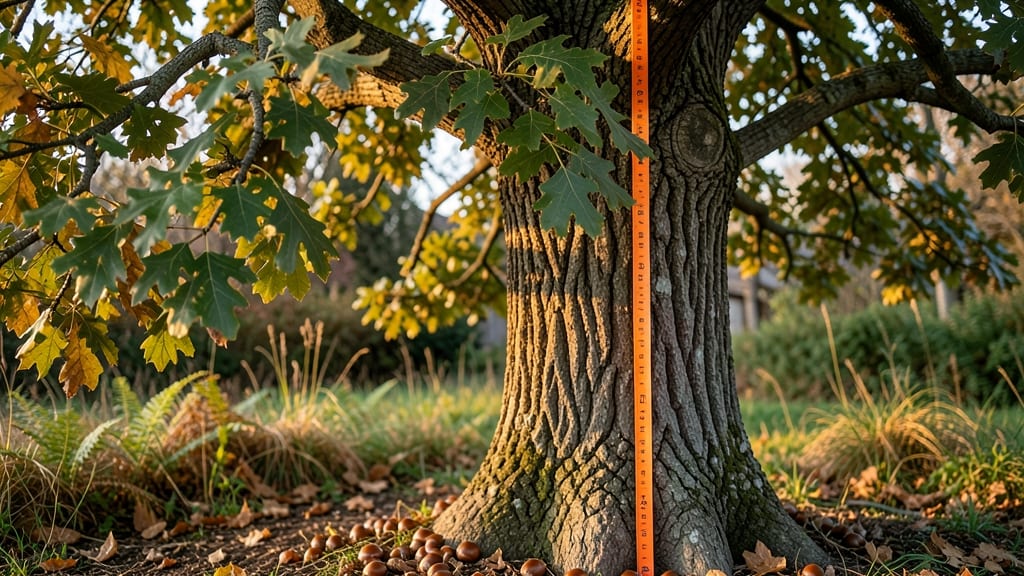
Wondering how tall an oak tree can grow? The answer might surprise you—some varieties stretch over 100 feet, while others stay compact enough for suburban yards. If you're planting one, understanding its mature height is the key to proper spacing and long-term care.
Oak trees like the mighty white oak or towering red oak can become architectural giants, but that doesn't mean they're out of reach for home gardeners. With the right species, even smaller spaces can accommodate these majestic 🌳 trees.
We'll break down the height ranges for common varieties and what influences how tall your oak will grow.
Growth rates vary wildly—some oaks take decades to reach their full height, while others grow faster. Soil quality, climate, and even pruning techniques play a huge role in determining whether your oak will become a skyscraper or a manageable shade provider.
Let's explore how to choose the perfect oak for your space.
Whether you're dreaming of a centuries-old giant or a practical shade tree, knowing these details will help you make the best choice. Discover which oaks stay shorter, which ones shoot up fast, and how to keep them in check if space is limited.


Mature heights of oak tree species: from dwarf to giant varieties
Oak trees are among the most majestic plants in nature, with some species reaching heights that dwarf even the tallest buildings. The mature height of an oak tree depends entirely on its species—some stay under 30 feet while others soar past 100 feet.
Understanding these differences helps you choose the right oak for your space, whether it's a backyard oasis or a wild landscape.
Most oak trees fall into three height categories: compact (under 30 ft), medium (30-70 ft), and giant (70+ ft). The live oak (Quercus virginiana) and bur oak (Quercus macrocarpa) are popular medium-height options, while white oak (Quercus alba) and red oak (Quercus rubra) often become towering giants.
Let’s explore the height ranges of the most common species to help you plan accordingly.
| Species | Scientific Name | Mature Height (ft) | Growth Rate | Best For |
|---|---|---|---|---|
| Live Oak | Quercus virginiana | 60–80 ft | Slow to moderate | Urban landscapes, coastal areas |
| White Oak | Quercus alba | 70–100 ft | Moderate | Large properties, parks |
| Red Oak | Quercus rubra | 60–90 ft | Moderate to fast | Open woodlands, suburban yards |
| Bur Oak | Quercus macrocarpa | 40–70 ft | Slow | Prairie regions, small yards |
| Pin Oak | Quercus palustris | 50–75 ft | Moderate | Wet soils, city streets |
| Scarlet Oak | Quercus coccinea | 50–70 ft | Fast | Sunny, open spaces |
| Dwarf Oak (e.g., 'Little King') | Quercus palustris 'Little King' | 15–25 ft | Slow | Small yards, containers |
If you’re limited by space, consider dwarf oak varieties like 'Little King' pin oak, which tops out at just 25 feet. These are ideal for urban gardens or patios where full-size oaks would overwhelm the area.
However, even dwarf oaks require patience—they grow slowly and may take decades to reach their full height.
For large properties, the white oak and red oak are classic choices, often exceeding 80 feet in ideal conditions. These giants provide shade, wildlife habitat, and timeless beauty but need ample space to thrive.
Always check your property lines and local regulations before planting—some municipalities restrict tree heights near roads or power lines.
The growth rate also varies dramatically. Fast-growing species like scarlet oak can add 2 feet per year in ideal conditions, while slow growers like bur oak may only gain 6 inches annually.
This affects how quickly your oak will reach its mature height, so factor in long-term planning if you’re planting for future generations.
Regional climate plays a role too. Oaks in southern states often grow taller due to longer growing seasons, while those in northern climates may stay shorter.
For example, a live oak in Florida might reach 80 feet, but the same species in New England could max out at 50 feet due to colder winters.
Soil quality matters just as much as climate. Well-draining, fertile soil encourages faster growth, while clay-heavy or waterlogged soil can stunt an oak’s height. Amending soil with compost or choosing a site with natural drainage can help maximize your oak’s potential.
Before planting, research your local native oak species—they’re often the best fit for your climate and soil. Native oaks also support local wildlife, from acorn-loving squirrels to butterflies that rely on their leaves. Choosing the right species ensures your oak grows tall and thrives for centuries.
🌳
How fast do oak trees grow to their maximum height?
Oak trees are famously slow-growing, but their growth rates vary dramatically by species. A bur oak might add 12-24 inches per year in ideal conditions, while a white oak grows just 6-12 inches annually.
This means a 60-foot oak could take 50-100 years to reach maturity—patience is key when planting these giants!
Climate plays a huge role in growth speed. Southern live oaks thrive in warm, humid regions, growing 20% faster than their northern counterparts. Meanwhile, red oaks in cooler zones like USDA Zone 5 may grow only 3-6 inches per year during their first decade.
Soil quality also matters—well-draining, slightly acidic soil (pH 5.0-7.0) accelerates growth by up to 30%.
Pruning young oaks can influence height, but timing is critical. If you prune too aggressively in the first 5 years, you risk stunting growth permanently. Instead, focus on structural pruning during dormant seasons (late winter) to shape the tree without sacrificing height potential.
Remember: oaks are self-pruning to some extent, shedding dead branches naturally over time.
- Species: Bur oak (fastest) vs. white oak (slowest)
- Climate: Warm/humid = 20% faster growth
- Soil: Well-draining, acidic soil boosts growth by 30%
- Water: Deep watering 1-2x/week for young trees
- Pruning: Minimal early pruning; shape in dormant seasons
Young oaks grow fastest in their first 10 years, adding 3-10 feet per decade before slowing as they mature. For example, a pin oak might reach 15 feet by age 10 but only gain another 5 feet in the next 20 years.
This gradual growth is why oaks are called "century trees"—their majestic height is earned over generations.
To estimate an oak’s lifespan based on growth, use this rule: lifespan (years) ≈ mature height (feet) × 2. A 100-foot white oak could live 200 years, while a 60-foot bur oak might reach 120 years.
Proper care—like avoiding compacted soil and over-pruning—extends both height and longevity.
If you’re impatient, consider fast-growing alternatives like silver maples (3-5 feet/year) or hybrid poplars (6+ feet/year). But for unmatched beauty and ecosystem benefits, oak trees are worth the wait—just plan your planting location and property lines accordingly!