
How To
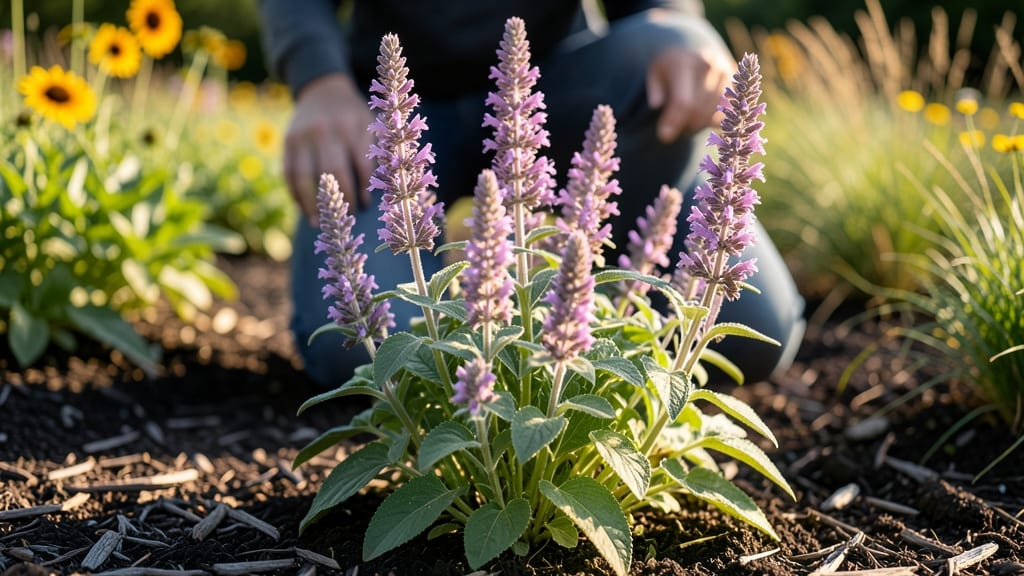
If you're wondering "how tall does obedient plant grow", the answer might surprise you—this 🌿 Physostegia beauty can reach heights that change how you plan your garden layout.
Whether you're dreaming of a lush border or a pollinator-friendly haven, knowing its mature size helps you avoid overcrowding or wasted space.
Most obedient plants mature between 3 to 5 feet, but varieties like 'Little Obie' stay compact at just 1 to 2 feet, making them perfect for containers or small gardens.
The key difference? Upright types like 'Summer Snow' grow taller, while spreading varieties stay bushier. This flexibility means you can tailor your planting scheme to fit any space—even tight urban gardens.
What really sets obedient plants apart is their adaptability. They thrive in partial shade and well-drained soil, which means you don't need perfect growing conditions to enjoy their vibrant blooms.
Plus, a little strategic pruning can keep even the tallest varieties in check, so you're never stuck with a plant that outgrows its welcome.
Ready to transform your garden? I'll walk you through exactly how to choose the right variety for your space, plus pro tips for keeping them looking their best—no matter how tall they grow. Let's get started!


Obedient plant height by variety: exact growth expectations for gardens and containers
The obedient plant (Physostegia virginiana) is a versatile perennial that thrives in USDA Zones 3-9, but its mature height varies dramatically between varieties. Understanding these differences helps you pick the perfect cultivar for your garden space or containers.
Most varieties reach their full height in 2-3 years, with some compact types maturing faster.
For garden beds, spacing is key—tall varieties need room to avoid crowding, while dwarf types can thrive in tight spots or containers. The standard obedient plant typically grows 3-5 feet tall, but some compact selections stay under 2 feet.
Let’s break down the most popular varieties and their exact growth expectations.
🌱 Comparison Table: Obedient Plant Heights by Variety
| Variety | Mature Height | Spread | Best For |
|---|---|---|---|
| 'Little Obie' | 1.5–2 ft | 1.5–2 ft | Containers, small gardens |
| 'Vivid' | 2–3 ft | 1.5–2 ft | Border plantings, pollinator gardens |
| 'Summer Snow' | 3–4 ft | 2–3 ft | Back of borders, cut flower gardens |
| 'Miss Manners' | 4–5 ft | 2.5–3 ft | Tall garden backdrops, meadows |
| 'Pink Flamingo' | 2.5–3.5 ft | 2 ft | Pollinator gardens, cottage-style beds |
If you’re growing obedient plants in containers, choose 'Little Obie' or 'Vivid'—both thrive in 5-7 gallon pots with proper drainage. Larger varieties like 'Miss Manners' need 15+ gallon containers to support their height and root system. Always use a well-draining potting mix to prevent root rot.
For garden beds, space plants 18–24 inches apart for compact varieties and 30–36 inches apart for taller types. This spacing ensures good airflow, reducing the risk of powdery mildew and promoting healthier growth.
In full sun, obedient plants may grow slightly taller, while partial shade can keep them more compact.
Pro tip: If you’re using obedient plants as cut flowers, taller varieties like 'Summer Snow' or 'Miss Manners' provide longer stems (18–24 inches) for arrangements. Deadhead spent blooms to encourage continuous flowering and prevent leggy growth.
Remember, soil quality plays a role in height. Amend heavy clay soil with compost or sand to improve drainage, which encourages stronger, more upright growth. Avoid over-fertilizing with high-nitrogen mixes—this can lead to leafy growth at the expense of height.
For first-year plants, expect 1–2 feet of growth, with 2–3 feet in the second year. By year three, most varieties reach their mature height.
If your obedient plant seems too short, check for poor light or overcrowding. Conversely, too-tall growth often signals over-fertilization or lack of pruning.
🌿 Whether you’re designing a pollinator-friendly meadow or a cozy container garden, choosing the right obedient plant variety ensures your space stays balanced and beautiful.
Obedient plant height by variety: exact growth expectations for gardens and containers
The obedient plant (Physostegia virginiana) grows to 3–5 feet tall at maturity, but height varies dramatically by variety. Choosing the right cultivar ensures your garden design fits perfectly—whether you need a tall border plant or a compact container specimen.
Let’s break down the exact heights for popular varieties and how they grow in different settings.
For garden beds, most obedient plants reach their full height by mid-summer, while container-grown varieties may stay slightly shorter due to root restrictions. The key is understanding each variety’s growth habit—some sprawl, others grow upright—and planning spacing accordingly. Here’s what to expect from the most common types:
| Variety | Mature Height | Spread | Best For |
|---|---|---|---|
| 'Little Obie' | 18–24 inches | 12–18 inches | Containers, small borders |
| 'Vivid' | 2–3 feet | 18–24 inches | Mixed borders, pollinator gardens |
| 'Summer Snow' | 3–4 feet | 24–36 inches | Back of borders, cottage gardens |
| 'Miss Manners' | 4–5 feet | 24–36 inches | Tall garden backdrops |
If you’re growing obedient plants in containers, expect heights to be 10–20% shorter than their garden-bed counterparts. For example, 'Little Obie' might only reach 16 inches in a 12-inch pot, while 'Miss Manners' could max out at 3.5 feet in a large container.
Always choose pots at least 12 inches deep to accommodate root growth.
For garden spacing, allow 18–24 inches between plants for dwarf varieties like 'Little Obie' and 24–36 inches for taller types like 'Miss Manners'. In containers, pair shorter varieties with trailing plants like ferns or upright companions like salvias to create balanced displays.
Light conditions also influence height—partial shade encourages bushier growth, while full sun can make plants taller but may reduce flowering. If your obedient plant stretches too tall, it’s likely getting too much direct afternoon sun.
Pro tip: Pinch back young plants in early summer to encourage fuller growth and prevent legginess. This works especially well for container-grown varieties where height control is critical.