
How To
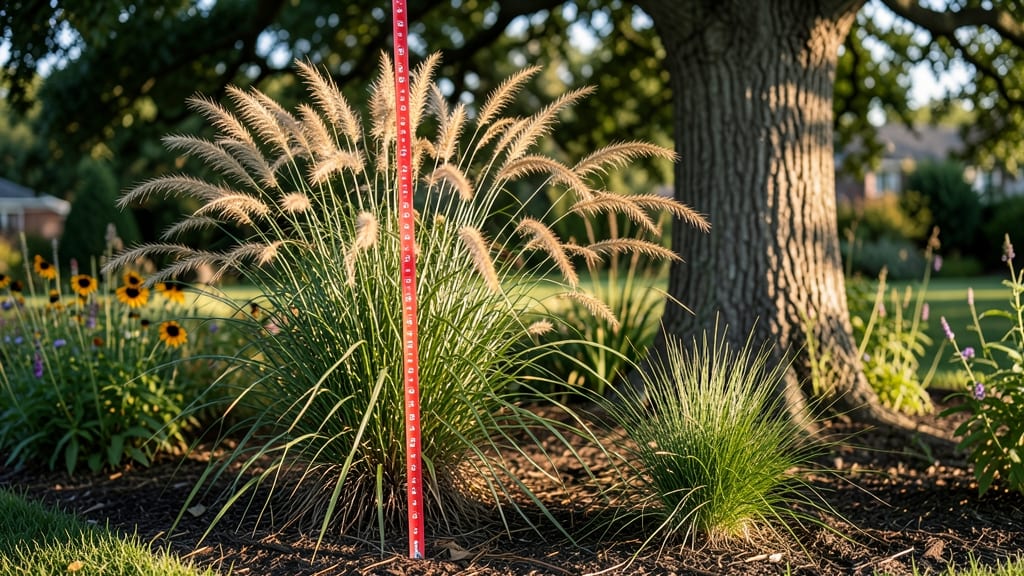
If you're wondering how tall does ornamental grass grow, the answer might surprise you—some varieties stay as short as 1 foot, while others shoot up to 12 feet or more! 🌿 Whether you're designing a cozy corner or a dramatic backyard statement piece, choosing the right height is key to making your garden look intentional.
Ornamental grasses aren’t just about height—they’re about texture, movement, and year-round interest. But before you plant, you’ll want to know which types fit your space. Dwarf varieties like Carex work perfectly for borders, while towering Miscanthus can create a striking focal point.
The good news? Most grasses reach their mature height within 2-3 years, so patience pays off.
Your garden’s layout and climate also play a role in how tall your ornamental grass grows. Windy areas? Opt for shorter, sturdy types. Limited space? Semi-dwarf varieties keep things tidy.
And don’t forget—pruning at the right time can help control height and encourage bushier growth. Let’s break down the best options for your garden’s needs.
Ready to transform your outdoor space? You’ll discover how to pick the perfect height for your style, plus tips to keep your grasses healthy and thriving. Let’s get started!


Ornamental grass height ranges by variety: dwarf to giant types
Ornamental grasses come in a stunning range of heights, from tiny dwarf varieties perfect for containers to towering giants that make bold garden statements. Understanding these height ranges helps you choose the perfect fit for your space—whether you need a foreground accent or a privacy screen.
Let’s explore the spectrum, from under 1 foot to over 12 feet, with real-world examples and growth habits.
Most ornamental grasses fall into four broad height categories: dwarf (1–3 ft), semi-dwarf (3–6 ft), standard (6–12 ft), and giant (12+ ft). The variety you pick will dictate not just its height but also its spread, sunlight needs, and maintenance requirements.
For instance, a 3-foot Carex thrives in shady corners, while a 10-foot Miscanthus needs full sun and space to sway dramatically.
Here’s how to match your garden’s needs to the right height category, along with mature height timelines so you know what to expect year by year. Pro tip: Always check the growth habit—some grasses clump tightly, while others spread aggressively, which affects placement.
Ornamental Grass Height Guide by Variety
| Height Category | Popular Varieties | Mature Height (ft) | Growth Habit | Best For |
|---|---|---|---|---|
| Dwarf (<1–3 ft) | Carex 'Ice Dance', Ophiopogon 'Nana', Liriope muscari | 1–3 ft | Clumping | Containers, borders, rock gardens |
| Semi-Dwarf (3–6 ft) | Pennisetum 'Burgundy Bunny', Festuca 'Elijah Blue', Hakonechloa 'Aureola' | 3–6 ft | Clumping or slow-spreading | Midground accents, small gardens |
| Standard (6–12 ft) | Miscanthus sinensis 'Malepartus', Pennisetum 'Hameln', Cortaderia selloana | 6–12 ft | Upright or arching | Background plants, privacy screens |
| Giant (12+ ft) | Phalaris arundinacea 'Picta', Arundo donax, Gynerium sagittatum | 12–20 ft | Fast-spreading or towering | Large landscapes, tropical gardens |
Note: Heights vary by climate and care. Pruning can reduce height by up to 30% in aggressive growers.
If you’re working with a small garden, prioritize dwarf or semi-dwarf varieties like Carex 'Ice Dance' (1–2 ft) or Hakonechloa 'Aureola' (2–3 ft). These thrive in containers or borders and add texture without overwhelming the space.
For windy areas, taller grasses like Miscanthus (6–12 ft) bend gracefully, while short, dense types (under 3 ft) may need staking to prevent flopping.
For privacy or drama, giant grasses like Phalaris 'Picta' (12–15 ft) create living walls, but they need regular pruning to control spread. Always check the mature spread—some varieties double their height in width!
For example, Cortaderia selloana (pampas grass) can reach 10–12 ft tall and 5–8 ft wide, making it a statement piece but not ideal for tight spaces.
One common misconception is that all ornamental grasses grow tall quickly. In reality, most take 2–3 years to reach mature height. For instance, a 3-foot grass might only grow 1 foot in its first year, while a 10-foot Miscanthus could add 4–5 feet annually in ideal conditions.
Plan accordingly—especially if you’re designing around them!
Soil and sunlight also play a role. Full-sun varieties (like Pennisetum) grow taller and denser, while shade-tolerant types (like Carex) stay compact. Always match the light requirements to your garden’s microclimate.
For example, Hakonechloa (Japanese forest grass) thrives in partial shade and maxes out at 2–3 feet, while
How to choose ornamental grass height for your garden layout
Selecting the right ornamental grass height isn’t just about aesthetics—it’s about creating a balanced, functional garden. Tall varieties (6–12 ft) like Miscanthus sinensis make stunning backdrops, while dwarf types (1–3 ft) like Carex oshimensis thrive in containers or edging.
Start by mapping your garden’s zones: background plants need height, midground adds texture, and foreground grasses should stay low.
Sunlight exposure also dictates height potential. Full-sun grasses like Pennisetum alopecuroides can reach their maximum height, while shade-tolerant varieties such as Hakonechloa macra may stay shorter. For example, a 6-ft grass in partial shade might only grow to 4 ft. Always check your variety’s light requirements before planting.
Wind is another critical factor. Tall, narrow grasses like Calamagrostis acutiflora can bend or flop in strong winds, while clumping types like Festuca glauca hold their shape better. If your garden is exposed, opt for sturdy, compact varieties or pair tall grasses with windbreaks like shrubs or fences.
- 🌳 Background (6–12 ft): Use tall grasses like Miscanthus or Pennisetum to create drama. Plant 10–15 ft from walkways to avoid blocking views.
- 🌿 Midground (3–6 ft): Choose semi-dwarf varieties like Carex or Deschampsia for texture. Place 5–8 ft from structures for balanced layers.
- 🌱 Foreground (1–3 ft): Opt for dwarf grasses like Hakonechloa or Festuca for edging or containers. Keep within 3 ft of pathways to define spaces.
- 💧 Wind-Prone Areas: Avoid tall, floppy grasses; instead, pick compact clumpers like Festuca glauca or Carex morrowii.
- ☀️ Sun vs. Shade: Full-sun grasses (e.g., Pennisetum) grow taller; shade grasses (e.g., Hakonechloa) stay shorter.
For small gardens, container gardening is a game-changer. Dwarf varieties like Carex oshimensis ‘Evergold’ (1–2 ft) or Panicum ‘Northwind’ (2–3 ft) thrive in pots, letting you move them seasonally. Just ensure containers have drainage holes and use well-draining soil to prevent root rot.
Pro tip: Group grasses by height in odd-numbered clusters (3, 5, or 7 plants) for natural-looking drifts. For example, plant 3 tall grasses (6–8 ft) behind 5 medium grasses (3–5 ft) and 7 dwarf grasses (1–2 ft) in front. This creates depth without overwhelming your space.
Finally, consider seasonal interest. Some grasses like Miscanthus sinensis ‘Zebrinus’ add winter structure, while others like Pennisetum ‘Burgundy Bunny’ offer vibrant fall colors. By matching height to your garden’s layout and climate, you’ll create a cohesive, year-round display that’s both beautiful and functional.