
How To
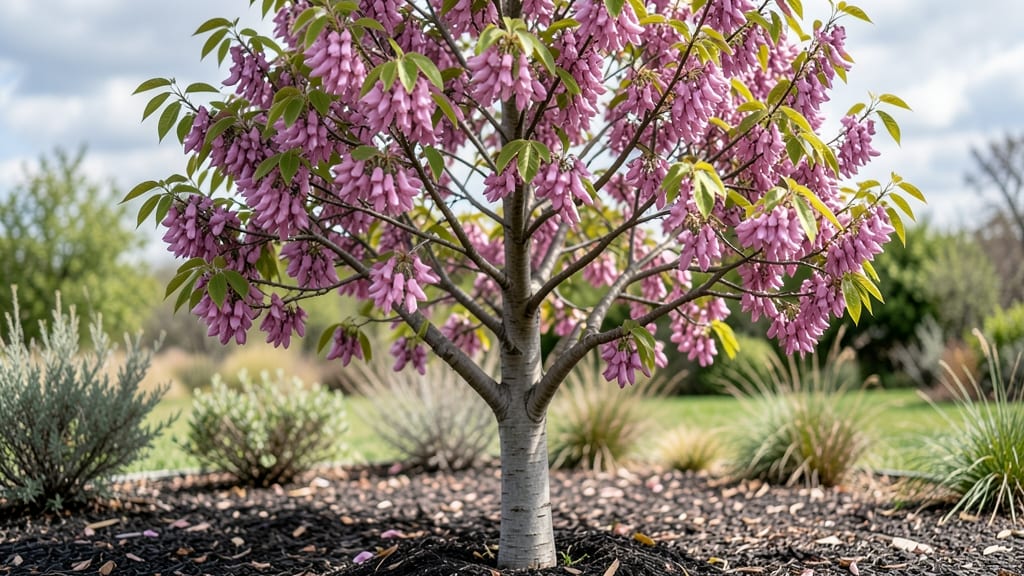
If you're wondering "how tall does redbud tree grow", you're not alone—this charming 🌳 tree can range from a compact shrub to a small shade tree, depending on the variety and growing conditions.
The Eastern redbud, the most common type, typically reaches 15 to 30 feet at maturity, while dwarf cultivars stay between 8 to 12 feet, making them perfect for smaller gardens.
What makes redbud trees so appealing is their adaptability—whether you have a spacious yard or a cozy urban patio, there’s a size to fit your space. Their spring blooms add a splash of color, but their mature height also plays a role in how they fit into your landscape design.
Understanding these growth patterns helps you choose the right variety for your needs.
Beyond just height, factors like soil quality, sunlight exposure, and pruning habits can influence how tall your redbud tree grows over time. For example, regular pruning can encourage a bushier shape, while neglect might lead to taller, leggier growth.
If you're planning to plant one this season, knowing these details will help you set realistic expectations.
Let’s break down the exact height ranges for popular redbud varieties and share tips for managing growth—so you can enjoy this beautiful tree without any surprises down the road.


Redbud tree height by variety: exact growth expectations for popular cultivars
When planning your garden, knowing the redbud tree height is crucial for creating a balanced landscape. These trees, known for their springtime pink blooms, come in various sizes depending on the cultivar.
Understanding these differences helps you choose the perfect fit for your space, whether you have a small yard or a spacious garden.
The Eastern redbud (Cercis canadensis), the most common variety, typically reaches 20-30 feet tall at maturity. This makes it a medium-sized tree that adds height and structure to any landscape.
However, not all redbuds grow this large—some cultivars stay much smaller, making them ideal for small gardens or containers.
Here’s how different redbud tree varieties compare in terms of height and growth habits. This comparison will help you visualize which type will thrive in your specific garden conditions.
| Variety | Mature Height | Width | Growth Rate | Best For |
|---|---|---|---|---|
| Eastern Redbud | 20-30 ft | 25-35 ft | Moderate (1-2 ft/year) | Large gardens, landscapes |
| Western Redbud | 10-15 ft | 10-12 ft | Slow (6-12 in/year) | Small yards, urban gardens |
| 'Royal Purple' | 15-20 ft | 15-20 ft | Moderate (1-2 ft/year) | Medium gardens, focal points |
| 'Forest Pansy' | 12-15 ft | 10-12 ft | Slow (6-12 in/year) | Small spaces, containers |
| 'Merlot' | 10-12 ft | 8-10 ft | Slow (6 in/year) | Small gardens, patios |
If you’re working with a small garden, the 'Merlot' or 'Forest Pansy' cultivars are excellent choices. These varieties stay under 15 feet tall, making them perfect for urban landscapes or container gardening. Their compact size also means they require less maintenance and fit well in tight spaces.
For larger properties, the Eastern redbud or 'Royal Purple' will provide a stunning backdrop with their 20-30 foot height. These varieties offer dramatic height and can serve as focal points in your garden design.
Just ensure you have enough space for their wide canopies, which can spread up to 35 feet.
The Western redbud is another great option if you live in drier climates. It’s slightly more drought-tolerant and typically stays between 10-15 feet tall, making it versatile for both small and medium-sized gardens. Its slower growth rate also means it requires less frequent pruning.
When selecting a redbud tree, consider not just its height but also its growth rate and spread. A tree that grows too quickly may outgrow its space, while a slower-growing variety might take longer to reach its full potential.
Always measure your space and choose a cultivar that will thrive without becoming a nuisance.
For example, if you have a narrow garden, opt for a variety like 'Merlot', which stays under 12 feet tall and has a more compact spread. If you’re aiming for a statement tree, the Eastern redbud will deliver with its impressive height and vibrant blooms.
One final tip: Always check your local USDA hardiness zone to ensure the cultivar you choose will thrive in your climate. Most redbuds do well in zones 4-9, but some varieties may have slight variations in cold tolerance.
With this guide, you can confidently select the perfect redbud tree for your garden, ensuring it grows to the ideal height while enhancing your outdoor space with its beautiful spring flowers.
How fast do redbud trees grow? Growth rate timeline by age
Understanding how quickly your redbud tree grows helps you plan for its mature height and landscape impact. These trees are known for their moderate growth rate, typically gaining 1-2 feet per year during their early years.
However, growth speed varies based on soil quality, sunlight exposure, and water availability.
The first few years are crucial for establishing a strong root system. In ideal conditions, a young redbud can reach 3-5 feet by year two, setting the stage for faster height increases later.
By year five, many varieties hit 8-10 feet, making them a noticeable feature in your garden.
| Age (Years) | Height Range (ft) | Growth Notes |
|---|---|---|
| 0-1 | 1-2 ft | Slow initial growth; focus on root development |
| 2-3 | 3-5 ft | Moderate growth; prune to shape early |
| 4-5 | 6-8 ft | Accelerated growth; needs consistent water |
| 6-10 | 10-15 ft | Peak growth years; may reach 20+ ft in ideal conditions |
| 10+ | 15-30 ft | Slower growth; focus on maintenance pruning |
After the first decade, growth slows as the tree matures. Most redbuds reach their maximum height of 20-30 feet by age 20-25, though some dwarf varieties stay under 12 feet.
The Western redbud tends to grow slightly slower than the Eastern redbud, making it a better choice for smaller landscapes.
To encourage faster growth, plant your redbud in well-draining soil with full sun exposure. Mulching around the base helps retain moisture while keeping roots cool. Avoid over-fertilizing, as this can lead to weak, fast growth that's prone to disease.
If you're planting near power lines or structures, consider dwarf varieties like 'Merlot' or 'Forest Pansy,' which stay under 12 feet tall. These compact options still deliver stunning spring blooms without the height concerns of standard redbuds.
Monitor your tree's growth annually by marking trunk height with a measuring tape. This helps track progress and adjust care as needed. With proper conditions, your redbud could surprise you with 3-4 feet of growth per year during its prime years!