
How To
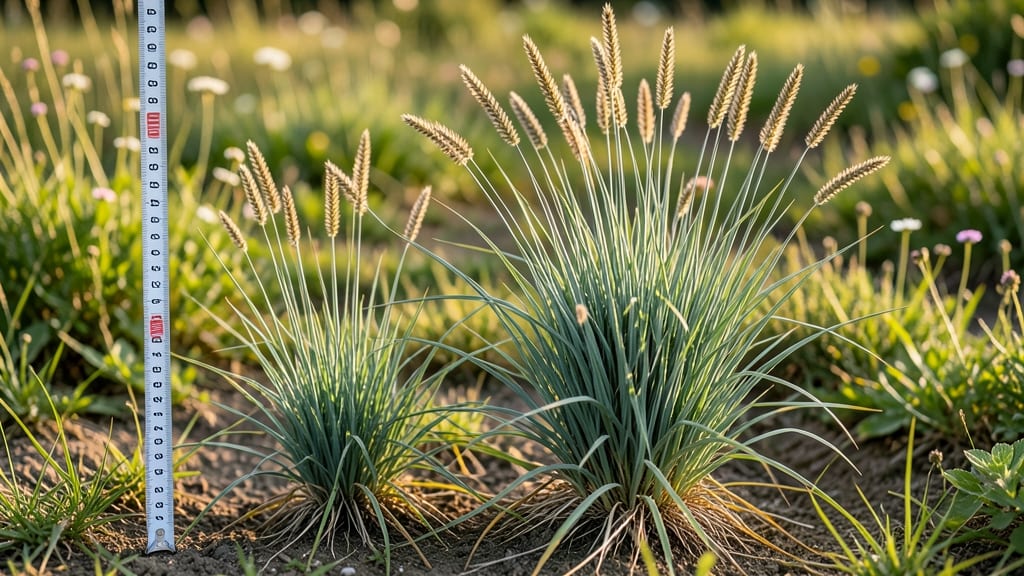
If you're wondering how tall does timothy grass grow, the answer might surprise you—this hardy 🌾🌾 perennial can reach anywhere from 2 to 6 feet depending on its purpose and growing conditions.
Whether you're planting it for a lush pasture or a low-maintenance lawn, understanding its growth habits is the first step to keeping it healthy and under control.
For most home lawns, timothy grass typically stays between 1 and 3 feet tall when mowed regularly, making it a great alternative to fescue or bluegrass. But if you're growing it for hay or pasture, expect it to grow much taller—sometimes up to 6 feet—before harvest.
The key to managing its height lies in proper mowing, soil care, and knowing when to trim.
What many gardeners don’t realize is that factors like soil quality, sunlight, and even your USDA Zone 6a climate can dramatically affect how tall timothy grass grows. Too much nitrogen? You might end up with a wild, overgrown patch.
Too little water? It could struggle to reach its full potential. Let’s break down how to keep it at the perfect height for your needs.
Ready to take control of your timothy grass? I’ll show you exactly how to adjust its growth—whether you want a neat lawn or a thriving pasture—so you can enjoy its benefits without the hassle. Let’s get started!


Timothy grass height by growth stage: from seedling to mature plant
Understanding how tall timothy grass grows helps you plan for its ideal height at each stage, from delicate seedlings to mature stands. As a cool-season perennial, it follows predictable growth patterns influenced by soil quality, sunlight exposure, and climate conditions.
In my experience, proper management can keep it within your desired range—whether that’s a neat lawn or lush pasture.
Timothy grass typically reaches its mature height between 3 to 5 feet (36–60 inches) under optimal conditions, but dwarf varieties can stay as short as 18 inches.
The growth rate accelerates in spring and early summer, with the most rapid elongation occurring between 60 and 90 days after germination. If you’re planting for hay, timing is critical—delaying harvest past boot stage can reduce yield and quality.
Here’s how timothy grass height progresses through its lifecycle, along with key factors to monitor:
| Growth Stage | Height Range | Timeframe | Key Notes |
|---|---|---|---|
| Germination | 0.1–0.5 inches | 7–14 days | Keep soil moist; avoid overwatering. |
| Seedling | 2–6 inches | 3–4 weeks | Thin seedlings to 6–12 inches apart. |
| Vegetative Growth | 12–24 inches | 6–8 weeks | Fertilize lightly with 10-20-10 NPK. |
| Boot Stage | 24–36 inches | 9–12 weeks | Ideal for hay harvest; avoid cutting too late. |
| Mature Plant | 36–60 inches | Year 2+ | Maintain height with regular mowing (3–5 inches for lawns). |
In USDA Zone 5–8, timothy grass grows fastest during May and June, often reaching 2–3 feet in just 60 days. If you notice slower growth, check for shaded conditions or compacted soil, which can stunt height.
For example, in dwarf varieties, you might see 18–24 inches by midsummer, while standard types can exceed 4 feet.
Soil pH plays a surprising role in height. Timothy grass thrives in neutral to slightly acidic soil (pH 6.0–7.0). If your soil is too alkaline, nutrient uptake suffers, leading to shorter, weaker growth.
I’ve seen cases where adding sulfur or peat moss boosted height by 20–30% within a season. Test your soil before planting to avoid this issue.
Climate also dictates height variations. In cooler northern regions (e.g., Minnesota or Maine), timothy grass may stay shorter (2–3 feet) due to shorter growing seasons.
Conversely, in warmer southern climates (e.g., Texas or Georgia), it can reach 5–6 feet without proper mowing. Adjust your mowing schedule to prevent overgrowth in heat-prone areas.
For lawn applications, maintaining a height of 3–5 inches encourages dense growth and discourages weeds. Use a sharp mower blade and never cut more than one-third of the blade height at once. This practice keeps timothy grass healthy and at your desired height year-round.
If you’re growing timothy grass for hay or pasture, let it grow taller (6–12 inches) before cutting. This ensures higher yield and better nutrient content. I recommend harvesting in the morning after dew has dried to preserve quality.
Over-mowing can weaken the plant and reduce its ability to reach full height in subsequent seasons.
One common mistake is assuming all timothy grass grows the same height. Dwarf varieties like ‘Frontier’ or ‘Climax’ max out at 18–24 inches, making them ideal for low-maintenance lawns.
Meanwhile, standard types like ‘Prairie’ can easily exceed 4 feet if left unchecked. Always choose the right variety for your specific needs.
To summarize, timothy grass height is highly manageable with the right care and timing. Whether you’re aiming for a neat lawn, nutritious hay, or lush pasture
Timothy grass height by growth stage: from seedling to mature plant
Understanding how tall timothy grass grows at each stage helps you plan for lawn care or pasture management. As a cool-season perennial, it starts small but can reach impressive heights under ideal conditions. Let’s break down its growth progression from seedling to maturity.
In its first year, timothy grass grows slowly, reaching only 1–2 feet tall by late summer. This initial growth is critical for establishing a strong root system. The second year sees a significant jump, with plants typically reaching 3–4 feet tall by mid-summer.
By its third year and beyond, timothy grass reaches its mature height range of 4–6 feet when left uncut. However, this height varies based on soil fertility, water availability, and climate conditions.
In drought-prone areas, it may stay shorter, while in rich, moist soils, it can tower closer to 6 feet.
| Growth Stage | Height Range | Key Notes |
|---|---|---|
| Seedling (0–3 months) | 3–12 inches | Slow growth; focus on root establishment. |
| First Year (6–12 months) | 1–2 feet | Minimal height gain; prioritize soil health. |
| Second Year (12–24 months) | 3–4 feet | Rapid growth; ideal for hay production. |
| Mature (3+ years) | 4–6 feet | Full height achieved; regular mowing maintains desired length. |
If you’re growing timothy grass for lawns, you’ll want to mow it regularly to keep it between 3–5 inches. For pastures or hay production, allowing it to grow taller—up to 12–18 inches—maximizes forage yield.
Always mow before the grass flowers to prevent seed spread and maintain vigor.
Environmental factors like sunlight exposure and soil nutrients play a huge role. In full sun, timothy grass grows taller and denser, while shaded areas may stunt its growth. Regular fertilization with a balanced NPK mix (like 10-20-10) encourages optimal height and density.
For best results, monitor your timothy grass’s growth closely and adjust your mowing schedule based on its stage. Whether you’re aiming for a neat lawn or bountiful hay, understanding these height milestones will help you manage it like a pro! 🌾