
Lawn
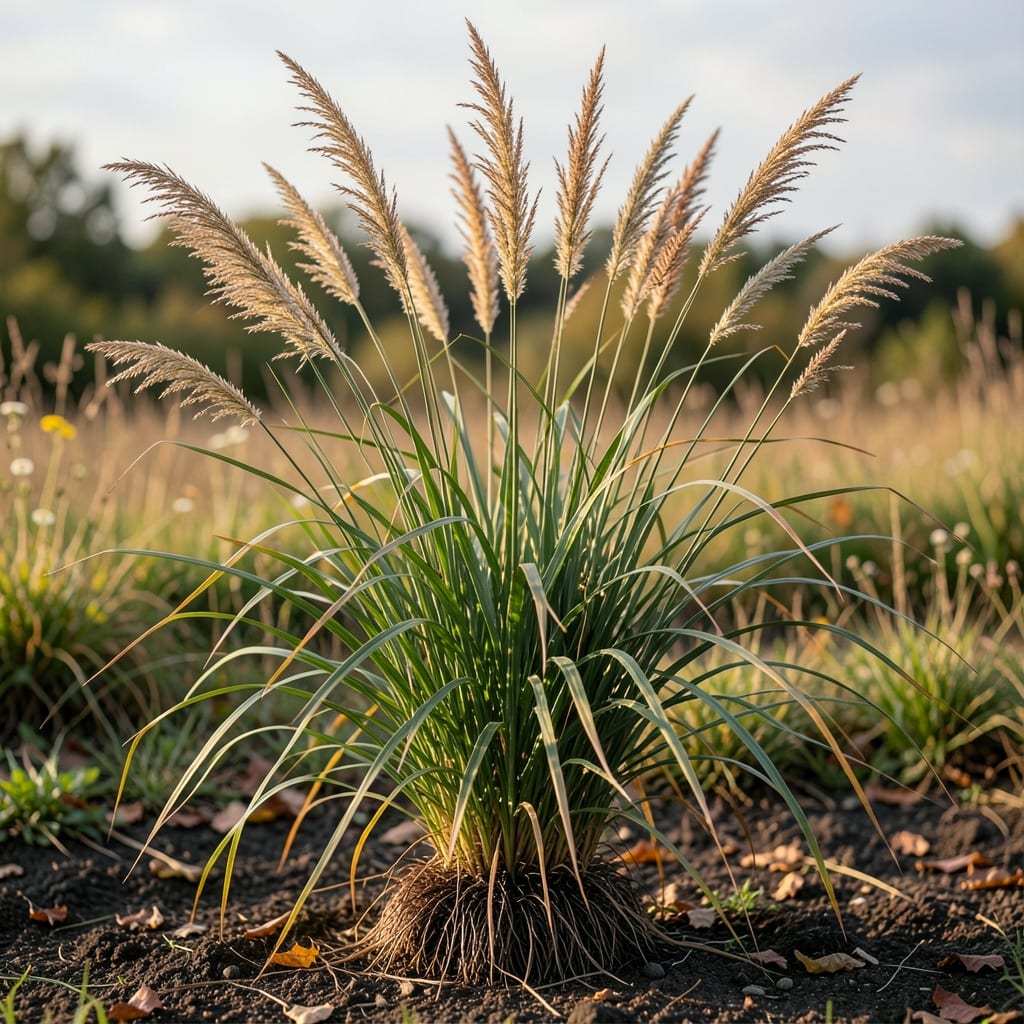
If you’ve ever stared at a wild grass patch and wondered how tall can wild grass grow, you’re not alone. Some varieties stretch taller than a basketball hoop, while others barely peek above your ankles—all thanks to nature’s wild growth rules.
From delicate meadow grasses to towering bamboo, the height of wild grass depends on more than just genetics. Soil richness, rainfall, and sunlight play starring roles, turning a tiny seed into a 12-foot giant under the right conditions. Whether you’re managing a garden or just curious about nature’s skyscrapers, understanding these factors is key.
In this guide, we’ll explore the tallest wild grass species, what fuels their explosive growth, and how you can control overgrowth without harsh chemicals. Whether you’re dealing with a fast-spreading weed or nurturing native grasses, knowing the science behind their height makes all the difference.
Ready to uncover the secrets behind wild grass’s dramatic height swings? Let’s dive into the numbers, tips, and tricks that’ll change how you see your yard—or that stubborn patch of 🌱 taking over.

Record-breaking wild grass heights by species: nature’s skyscrapers
Wild grass can transform from a nuisance in your lawn to a monumental force of nature in just the right conditions. Some species stretch toward the sky like natural skyscrapers, while others remain humble ground covers. The tallest wild grasses can dwarf even the most ambitious garden plants, reaching heights that challenge our expectations of what’s possible in the plant kingdom.
Take bamboo, for example—technically a grass—where certain species like Phyllostachys bambusoides can grow up to 100 feet tall in ideal conditions. While most wild grasses won’t reach such extremes, many native and invasive species can still surprise you with their vertical ambitions. Understanding these height extremes helps gardeners and landowners prepare for management challenges while appreciating nature’s diversity.
Below, we explore the tallest wild grass species documented in nature, their natural habitats, and the environmental factors that allow them to reach such impressive heights. From prairie giants to tropical invaders, these grasses prove that even the most overlooked plants can become architectural wonders.
| Species | Max Height | Habitat | Key Growth Factors |
|---|---|---|---|
| Phyllostachys bambusoides (Bamboo) | 100 ft | Temperate forests (Asia) | Rich soil, abundant water, warm climate |
| Arundo donax (Giant Reed) | 20-30 ft | Mediterranean, subtropical regions | Full sun, moist soil, drought-tolerant |
| Panicum virgatum (Switchgrass) | 10-12 ft | North American prairies | Full sun, well-drained soil, drought-resistant |
| Sorghum halepense (Johnson Grass) | 8-10 ft | Warm climates worldwide | Aggressive rhizomes, thrives in disturbed soil |
| Imperata cylindrica (Cogon Grass) | 6-8 ft | Tropical and subtropical regions | Fast-spreading, thrives in poor soil |
While bamboo takes the crown for sheer height, many other wild grasses can still reach impressive dimensions. For instance, switchgrass and Johnson grass are common in North American landscapes and can easily surpass 6 feet under ideal conditions. These grasses aren’t just tall—they’re also highly adaptive, thriving in environments where other plants struggle.
The Giant Reed (Arundo donax), native to the Mediterranean, is another standout. This grass can grow up to 30 feet tall in a single season, making it a dominant feature in its native habitat. Its hollow stems and dense growth make it both a landmark and a challenge for gardeners trying to control its spread.
Even in native prairie ecosystems, grasses like Big Bluestem (Andropogon gerardii) and Indian Grass (Sorghastrum nutans) can reach 6-8 feet, contributing to the towering landscapes that once defined the American Midwest. These grasses play a crucial role in biodiversity and soil health, proving that height isn’t just about dominance—it’s also about ecological function.
In urban and suburban settings, wild grasses like Cogon Grass and Bermuda Grass can become problematic when left unchecked. Their rapid growth and aggressive root systems allow them to outcompete desirable plants, creating dense thickets that can reach 5-7 feet tall in just a few months. Understanding these species’ growth patterns is key to effective management without resorting to harsh chemicals.
If you’ve ever encountered a wild grass patch that seemed to grow overnight, you’re not imagining things. Some species, like Johnson Grass and Cogon Grass, can grow up to 1 inch per day under optimal conditions. This rapid growth is a survival strategy, allowing them to outcompete slower-growing plants and dominate their environment quickly.
For gardeners and landowners, recognizing these height extremes can help in planning landscaping strategies and wildlife habitat creation. Whether you’re aiming to suppress invasive species or encourage native grasses, knowing which species can reach which heights allows you to make informed decisions about plant selection and maintenance.
Next, we’ll dive into the science behind wild grass growth, exploring how soil, climate, and competition shape these towering plants—and what you can do to influence their height in your own outdoor space. 🌱
What determines wild grass growth height: soil, climate, and competition
Wild grass doesn’t grow to random heights—its vertical ambitions are dictated by a precise recipe of nature’s ingredients. Think of it like a growth equation where soil quality, climate conditions, and plant competition are the variables. Get the mix right, and you’ll see 10-foot giants. Miss the mark, and even aggressive species stay stunted. Let’s break down the science behind these height swings and how they play out in real-world gardens.
The soil’s nutrient profile is the foundation of wild grass growth. Rich, loamy soil packed with nitrogen, phosphorus, and potassium fuels rapid vertical expansion. For example, Johnson Grass can shoot up 8 feet tall in just a few months when growing in well-fertilized disturbed soil. Meanwhile, the same species might max out at 3 feet in nutrient-poor conditions. Even pH levels matter—most wild grasses thrive in slightly acidic to neutral soils (pH 6.0-7.0), while alkaline soils can stunt their growth.
🌱 Visual Guide: Growth Factors at a Glance 🌱
- 🌱 Soil Nutrients: Nitrogen = height boost; phosphorus = root strength
- ☀️ Sunlight: 6+ hours daily = maximum growth; shade = stunted growth
- 💧 Water: 1-2 inches/week = optimal; drought = slowed growth
- 🌡️ Temperature: 70-85°F = rapid growth; below 50°F = dormancy
- 🌿 Competition: Fewer plants = more resources = taller growth
Climate plays an equally critical role. Warm, humid conditions accelerate growth—think of tropical grasses like Cogon Grass, which can reach 6-8 feet in a single season when temperatures stay above 75°F. Conversely, cool-season grasses like Tall Fescue grow most aggressively in spring and fall, maxing out at 4-5 feet when summer heat arrives. Even rainfall patterns matter: Johnson Grass grows 30% taller in wet climates compared to dry ones, thanks to consistent moisture.
Don’t underestimate the power of competition. In a crowded meadow, grasses may grow only 2-3 feet tall because they’re fighting for sunlight and nutrients. But remove competing plants, and the same species can double in height. This is why invasive grasses like Bermuda Grass become so dominant—they outcompete everything else, creating monoculture thickets that can reach 5 feet tall in just 60 days.
Human activity also skews the growth equation. Disturbed soil (from construction or farming) triggers aggressive regrowth in species like Switchgrass, which can reach 12 feet when given open space. Meanwhile, over-mowing stunts growth by preventing seed production. Even fertilizer use can backfire—too much nitrogen makes grasses taller but weaker, increasing disease risk. The key is balance: moderate nutrients promote healthy, controlled growth.
Understanding these factors helps gardeners predict and manage wild grass growth. Want to suppress overgrowth? Improve soil health for competing plants or reduce water in summer. Aiming to encourage native grasses? Mimic their natural conditions—full sun, well-drained soil, and minimal competition. The same science that makes wild grass reach for the sky can also help you keep it in check.
Next, we’ll explore natural and safe methods to control wild grass growth without harsh chemicals—because sometimes the best way to manage nature’s giants is to work with their growth patterns, not against them. ✂️