
How To
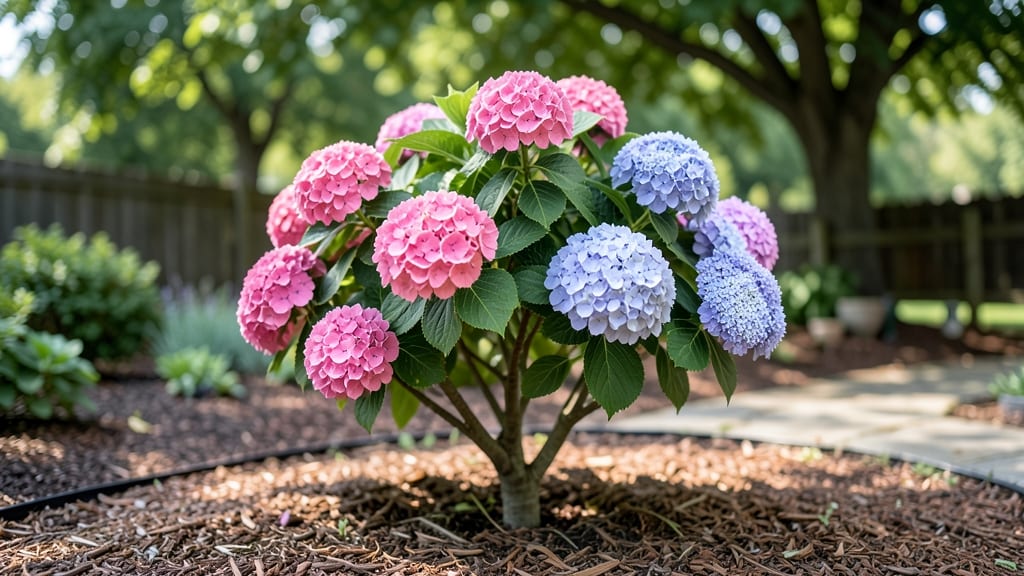
Wondering how tall hydrangea trees grow before you commit to planting one? The answer might surprise you—these beauties range from compact shrubs to towering giants, depending on the variety.
With some reaching over 15 feet and others staying neatly under 5 feet, your choice could completely change your landscape plans.
If you're envisioning a 🌸 hydrangea tree that adds drama to your yard, knowing the mature height is key. Some varieties grow like small trees, while others stay shrub-like, making them perfect for smaller spaces.
The good news? With the right care, you can even influence how tall (or short) your hydrangea grows over time.
In this guide, I’ll break down the exact heights for popular hydrangea varieties—from the towering Hydrangea paniculata to the more manageable oakleaf types. You’ll also discover how sunlight, soil, and pruning play a role in shaping your plant’s size.
Whether you want a privacy screen or a patio centerpiece, we’ve got you covered.
Let’s dive into the details so you can pick the perfect hydrangea for your space—and keep it thriving at just the right height.


Hydrangea tree height by variety: exact growth ranges for popular types
Hydrangea trees aren’t just one-size-fits-all—they range from 3-foot dwarf varieties to 15-foot towering giants, depending on the species and care.
The most common tree-like hydrangeas (like Hydrangea paniculata) can reach 8-15 feet tall, while shrub-like types (such as Hydrangea macrophylla) typically max out at 3-6 feet.
Understanding these differences helps you choose the perfect variety for your space, whether you want a privacy screen or a container-friendly patio plant.
First, let’s clarify the confusion: hydrangeas are shrubs by nature, but some varieties (especially panicle hydrangeas) grow with tree-like single trunks and layered branches, earning them the nickname "hydrangea trees." Their mature height depends on genetics, pruning habits, and growing conditions.
For example, the Limelight hydrangea (a panicle type) can grow 8-12 feet tall with minimal pruning, while the Endless Summer macrophylla stays compact at 3-5 feet.
Here’s the key takeaway: panicle hydrangeas (Hydrangea paniculata) are the tallest, often used for landscaping focal points or privacy hedges. Oakleaf hydrangeas (Hydrangea quercifolia) also grow large (6-12 feet) with stunning fall foliage, while smooth hydrangeas (Hydrangea arborescens) like Annabelle stay shorter (3-5 feet).
Below, I’ve broken down 12 popular varieties with their exact mature heights and growth habits to help you plan your garden layout.
| Variety | Type | Mature Height (ft) | Growth Rate | Best For |
|---|---|---|---|---|
| Limelight | Panicle | 8-12 | Fast | Privacy screens, focal points |
| Little Lime | Panicle | 3-5 | Moderate | Containers, small yards |
| Oakleaf (e.g., 'Snow Queen') | Oakleaf | 6-12 | Moderate | Shade trees, woodland gardens |
| Annabelle | Smooth | 3-5 | Fast | Borders, mass planting |
| Endless Summer | Macrophylla | 3-5 | Moderate | Patios, containers |
| Grandiflora | Macrophylla | 4-6 | Slow | Cut flowers, borders |
| Vanille Fraise | Macrophylla | 3-5 | Moderate | Containers, color contrast |
| Nikko Blue | Macrophylla | 4-6 | Slow |
How to control hydrangea tree height: pruning tips for different growth habitsPruning your hydrangea tree isn’t just about keeping it tidy—it’s the secret to controlling its height while ensuring vibrant blooms year after year. The key lies in understanding when and how to prune based on your hydrangea’s variety and growth habits. For example, panicle hydrangeas (like 'Limelight') grow upright and can be pruned hard in late winter, while oakleaf hydrangeas (like 'Snow Queen') bloom on old wood and should only be lightly pruned. Timing is everything. Prune late winter or early spring (before buds swell) for panicle and smooth hydrangeas, as they flower on new growth. But for bigleaf and oakleaf types, wait until after blooming to avoid cutting off next year’s flowers. This simple rule can save you from a summer of bare branches and disappointed expectations. Here’s the golden rule: Never prune in fall—it encourages tender new growth that won’t survive winter’s freeze. Instead, focus on shaping in spring or summer, removing dead, crossing, or weak branches first. For height control, cut back 1/3 of the tallest stems to encourage bushier growth and prevent your hydrangea from becoming a 12-foot tower overnight. 🌿 Pruning Timeline for Hydrangea Height Control
Pro Tip: Use sterilized pruners to prevent disease spread between cuts. For tall-growing varieties like 'Annabelle' or 'Grandiflora', prune aggressively in late winter to maintain a 6-8 foot height. Make cuts just above a bud or leaf node at a 45-degree angle to promote faster healing. If your hydrangea is already too tall, don’t panic—gradual pruning over 2-3 years will bring it back to a manageable size without shocking the plant. Dwarf hydrangeas, like 'Endless Summer' or 'Little Lime', need minimal pruning—just light shaping in spring to encourage bushiness. These varieties thrive with pinching back tips during the growing season to prevent legginess. Think of it like training a bonsai: gentle, consistent care keeps them 3-5 feet tall without sacrificing blooms. One common mistake? Pruning too late in spring or too aggressively on old-wood bloomers. This can leave your hydrangea bare for months while it recovers. Always step back and assess—if you’re unsure, err on the side of less pruning. With patience and the right techniques, you’ll have a hydrangea tree that’s both stunning and well-behaved in your garden. |