
How To
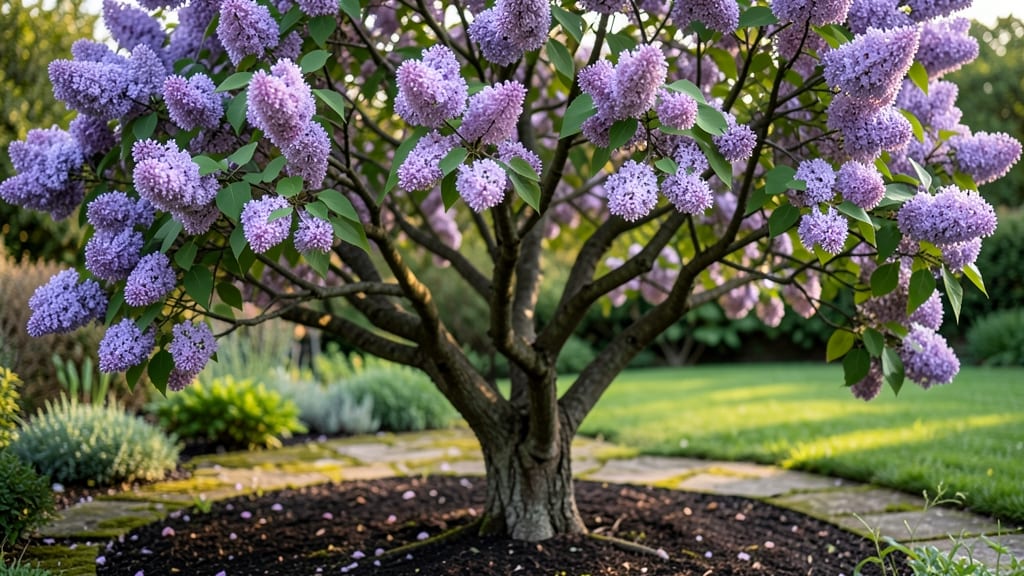
If you're wondering how tall lilac trees grow, the answer might surprise you—these fragrant beauties can range from compact shrubs to towering giants, depending on the variety and care you provide.
That sweet, intoxicating scent of spring is worth the space they’ll occupy, but knowing their mature size helps you plan your garden layout perfectly.
Most lilac trees 🌸 reach heights between 8 and 15 feet at maturity, but some dwarf varieties stay as short as 4 to 6 feet, making them ideal for smaller yards or containers.
Whether you're dreaming of a classic lilac hedge or a low-maintenance patio plant, understanding these growth patterns is key to selecting the right type for your space.
In this guide, I’ll break down the exact height ranges for popular lilac varieties, share pruning tips to control their size, and help you decide which type fits your garden best. Ready to transform your outdoor space with these aromatic giants?
From the fast-growing 'Minnesota Sky' to the compact 'Dwarf Korean,' you’ll discover how to nurture lilacs that thrive without overpowering your landscape. Let’s get started!


Lilac tree height by variety: from dwarf to giant sizes
Lilacs (Syringa spp.) are classic garden shrubs known for their intense fragrance and vibrant blooms, but their mature height can vary dramatically depending on the variety.
If you’re planning your garden layout, knowing these height ranges will help you choose the perfect lilac for your space—whether you want a towering specimen or a compact accent plant. Let’s break down the most popular types and their growth habits.
Most lilacs fall into three height categories: dwarf (4–6 ft), semi-dwarf (6–8 ft), and standard (8–15 ft). The variety you pick will determine not only how tall your lilac grows but also its spread, bloom density, and even its hardiness.
For example, the 'Katherine Havemeyer' lilac, a classic purple bloomer, can reach 12–15 ft tall, while the 'Dwarf Korean' stays a modest 4–5 ft. Let’s explore these differences in detail.
| Variety | Mature Height | Growth Rate | Ideal Spacing | Best For |
|---|---|---|---|---|
| 'Dwarf Korean' | 4–6 ft | Slow to moderate | 3–4 ft from structures | Containers, small gardens |
| 'Bloomerang' | 6–8 ft | Moderate | 5–6 ft from borders | Reblooming displays |
| 'Minnesota Sky' | 8–10 ft | Fast | 8–10 ft from structures | Privacy screens, hedges |
| 'Katherine Havemeyer' | 12–15 ft | Moderate | 10–12 ft from structures | Statement plants, large gardens |
| 'Miss Canada' | 6–8 ft | Slow | 4–5 ft from borders | Small spaces, urban gardens |
When selecting a lilac, consider not just its height but also its spread. For instance, the 'Minnesota Sky' lilac grows 8–10 ft tall but can spread 6–8 ft wide, making it ideal for creating a natural privacy screen.
In contrast, the 'Dwarf Korean' stays compact, perfect for container gardening or small patios. Always check the USDA hardiness zone for your variety—most lilacs thrive in zones 3–7, but some, like the 'Siberian' lilac, tolerate colder climates.
Another factor influencing height is pruning habits. Left unpruned, lilacs can grow wildly leggy, with some varieties reaching up to 20 ft in ideal conditions. However, with regular pruning, you can easily control their size.
For example, if you want your 'Katherine Havemeyer' to stay under 10 ft, prune it back by one-third after flowering each year. This not only manages height but also encourages bushier growth and more abundant blooms.
If you’re working with a small garden, opt for dwarf or semi-dwarf varieties like 'Miss Canada' or 'Bloomerang'. These stay manageable while still delivering fragrant blooms and season-long color. For larger properties, the 'Katherine Havemeyer' or 'President Lincoln' (10–12 ft) will make a dramatic focal point.
Just ensure they have 6+ hours of sunlight daily—they’ll reward you with vibrant, fragrant flowers every spring.
Pro tip: Plant lilacs 3–5 ft away from structures like fences or walls to allow for future growth. Overcrowding can lead to poor airflow, increasing the risk of fungal diseases like powdery mildew.
And if you’re unsure about spacing, err on the side of extra room—lilacs are long-lived plants that can thrive for decades with proper care.
For those with limited space, consider container-growing dwarf varieties. A 5-gallon pot is sufficient for a 'Dwarf Korean' lilac, provided it gets full sun and well-draining soil. Just be prepared to water
How to control lilac tree height naturally: pruning and care tips
If your lilac tree is growing taller than you’d like, don’t worry—you can naturally control its height with the right pruning techniques and care strategies. Lilacs respond well to pruning, but timing and method are everything.
Prune at the wrong time, and you might remove next year’s blooms or stress the plant. Let’s break down how to keep your lilac at your desired height while ensuring it stays healthy and blooms beautifully. ✂️
The best time to prune lilacs for height control is right after flowering, typically in late May or early June. This allows the plant to recover before winter and ensures you don’t accidentally cut off next year’s flower buds, which form on old wood.
Avoid pruning in fall or winter, as this can stimulate new growth that won’t harden off before frost, damaging the plant. If you must prune for safety (e.g., near a power line), do so immediately after planting to shape it early. 🌸
When pruning to control height, focus on removing up to one-third of the plant’s height in a single session. Use clean, sharp pruners to make cuts just above a bud or branch collar, never leaving stubs.
For a more compact look, target the longest branches first, cutting them back to a side bud or lateral branch. This encourages bushier growth and prevents the tree from becoming leggy. Remember, lilacs grow 2-3 feet per year, so regular pruning keeps them manageable. ✂️
Soil and sunlight also play a huge role in controlling lilac height. Plant your lilac in well-draining soil with full sun exposure (6+ hours daily) to promote healthy, controlled growth. Poor soil or shade can lead to weak, leggy stems that grow taller to reach sunlight.
Amend heavy or clay soils with compost or sand to improve drainage, and avoid over-fertilizing with nitrogen, which encourages leafy growth over flowers. A balanced 10-10-10 fertilizer in early spring is ideal. 🌱
Watering habits can also influence height. While lilacs are drought-tolerant once established, young plants need consistent moisture to develop strong root systems. Water deeply once a week during the first year, then taper off to bi-weekly watering once established.
Overwatering can lead to root rot, which weakens the plant and may cause it to grow taller in an attempt to reach better conditions. Always water at the base of the plant in the morning to reduce evaporation and fungal risks. 💧
If your lilac has already become too tall or leggy, don’t panic—you can revive it with a rejuvenation pruning. This involves cutting the plant back by half its height in stages over 2-3 years.
Start by removing dead or diseased branches, then prune the remaining stems back to 6-12 inches above the ground. This drastic approach encourages new growth from the base, creating a bushier, more compact shape.
Just be patient—it may take a season or two to see full recovery, but the results are worth it. 🌿
Finally, choose the right variety for your space. If you’re worried about height, opt for dwarf or semi-dwarf lilacs, like 'Miss Canada' (4-6 feet) or 'Bloomerang' (6-8 feet), which are perfect for small gardens or containers.
Even with standard varieties, consistent pruning and care can keep them at a manageable height. With the right approach, your lilac will thrive—whether you want a tall privacy screen or a compact accent plant. 🌳
⚠️ Pruning Pitfalls to Avoid
- Pruning in fall or winter – Removes next year’s flower buds.
- Cutting into old wood – Reduces blooming potential.
- Leaving stubs – Invites disease and weakens growth.
- Over-pruning young lilacs – Slows establishment and recovery.
Pro tip: Always prune after flowering and use sterilized tools to prevent infections.