
How To
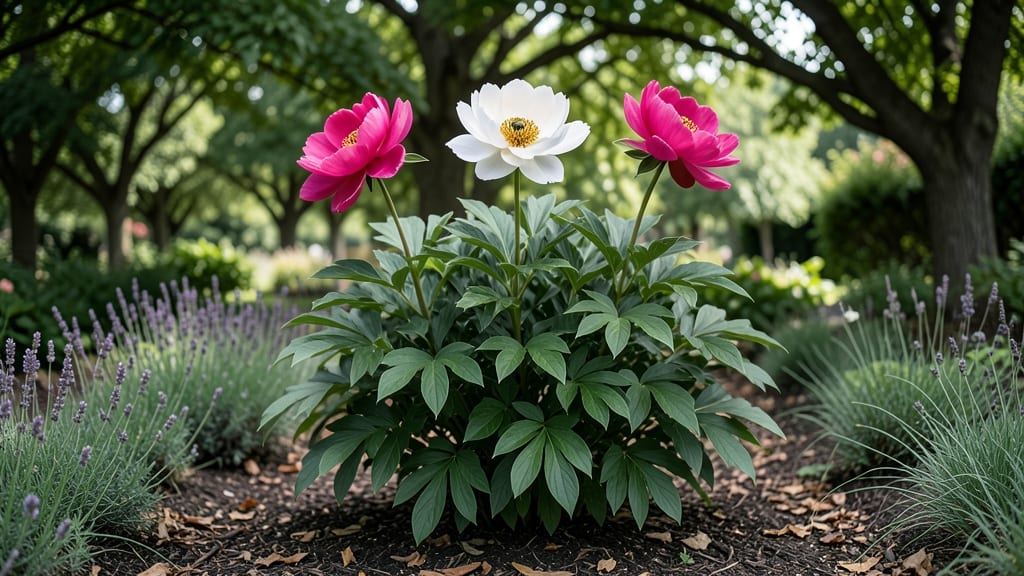
If you’ve ever wondered how tall peonies grow, the answer might surprise you—these lush, romantic blooms can range from dwarf varieties under 2 feet to towering herbaceous types that reach nearly 6 feet!
Whether you’re planning a cottage garden or a small container display, understanding peony height is key to choosing the perfect variety for your space.
Peonies aren’t one-size-fits-all; their height depends on the type—herbaceous peonies (like the classic 🌸) often grow 3 to 4 feet tall, while tree peonies can stretch even taller.
But here’s the secret: with the right care, you can influence their growth, whether you want compact blooms or dramatic vertical accents in your landscape.
In this guide, I’ll break down the exact height ranges by variety, share tips to control their growth, and help you pick the best peonies for your garden—no matter how big (or small) your space is. Ready to transform your garden with these stunning, long-lived flowers?
From pruning techniques to soil tricks, you’ll learn how to coax your peonies to the perfect height—whether you dream of a sea of short blooms or a grand statement plant that steals the show. Let’s get growing!


Peony height ranges by variety: dwarf to giant flowering types
Peonies come in a stunning array of heights, from delicate dwarf varieties that fit in containers to towering herbaceous types that reach six feet. Understanding these differences helps you choose the perfect peony for your garden space—whether you have a cozy patio or a sprawling landscape.
Let’s break down the three main peony categories and their mature heights.
The smallest peonies are dwarf herbaceous types, typically reaching just 1-2 feet tall. These are ideal for window boxes, small gardens, or even as container plants on balconies. Their compact size doesn’t mean they lack impact—many produce oversized blooms relative to their stature.
Next, standard herbaceous peonies dominate most home gardens with heights of 2-4 feet. These are the classic, lush varieties you see in cottage gardens, often blooming in late spring with fragrant, velvety petals. Their sturdy stems support heavy flowers, making them perfect for cutting gardens.
Tree peonies are the tallest, often growing 4-6 feet tall with some rare varieties exceeding five feet. These woody-stemmed peonies thrive in warmer climates and produce showy, long-lasting blooms that attract pollinators. Their height makes them standout focal points in perennial borders.
🌸
| Peony Type | Height Range | Bloom Season | Best For |
|---|---|---|---|
| Dwarf Herbaceous | 1–2 ft | Late Spring | Containers, small gardens |
| Standard Herbaceous | 2–4 ft | Late Spring | Cutting gardens, borders |
| Tree Peonies | 4–6+ ft | Mid to Late Spring | Focal points, large landscapes |
| Intersectional Hybrids | 2–3 ft | Early to Mid Spring | Modern gardens, borders |
One of the most misunderstood peony types is the intersectional hybrid, a cross between herbaceous and tree peonies. These typically grow 2-3 feet tall but produce extra-large blooms with unique colors like deep reds and purples. They’re perfect for gardeners who want bold flowers without excessive height.
If you’re planning a peony-themed garden, consider pairing dwarf varieties near pathways with taller types in the back. This creates a layered visual effect that blooms from spring through early summer. Just remember: tree peonies need more space, while herbaceous types can be grouped closely for dramatic clusters.
🌿
Height isn’t the only factor—stem strength matters too. Herbaceous peonies often need staking or support as they mature, especially in windy climates. Meanwhile, tree peonies have woody stems that naturally support their height. Always check a variety’s growth habit before planting to avoid surprises.
For urban gardeners with limited space, look for compact cultivars like ‘Bowl of Beauty’ (2 ft) or ‘Coral Charm’ (2.5 ft). These deliver maximum blooms with minimal footprint, proving that small gardens can still make a big impact.
🌸
How to control peony height: pruning, soil, and sunlight tips
Peonies are naturally vigorous growers, but their height can vary dramatically based on how you care for them. With the right techniques, you can encourage compact growth for containers or taller stems for dramatic garden displays.
The key lies in pruning timing, soil amendments, and sunlight management—all of which directly impact stem strength and vertical development.
First, let’s address the biggest misconception: peonies don’t need heavy pruning to thrive. In fact, over-pruning can stunt growth or even kill the plant. Instead, focus on selective pruning after blooming to shape the plant without sacrificing next year’s flowers.
For shorter peonies, prune stems back to 6-8 inches after flowering to redirect energy to bushier growth.
Soil quality plays a surprisingly large role in peony height. Heavy, clay soils can weaken stems, causing them to flop under the weight of large blooms. Amend your soil with compost and sand to create a well-draining mix that supports sturdy stems. A slightly alkaline pH (6.5-7.5) also encourages stronger growth—test your soil and adjust with lime if needed.
- 🌿 Prune after blooming: Cut back stems to 6-8 inches to encourage bushier growth.
- 💧 Water deeply but infrequently: Overwatering weakens stems; aim for 1 inch per week.
- ☀️ Provide full sun (6+ hours): More sunlight = stronger stems and taller growth.
- 🪴 Avoid rich fertilizer: Too much nitrogen = floppy, weak stems; use balanced 5-10-10 instead.
- ✂️ Stake tall varieties: Use bamboo stakes for stems over 3 feet to prevent flopping.
Sunlight is another critical factor—peonies need at least 6 hours of direct sun daily to develop strong stems. If your garden is shady, expect shorter, weaker growth with fewer blooms.
For taller peonies, place them in the sunniest spot of your yard, but avoid intense afternoon sun in hot climates, which can stress the plant.
One common mistake gardeners make is fertilizing too heavily in early spring. While peonies appreciate light feeding (like a tablespoon of 5-10-10 fertilizer in March), excess nitrogen promotes leafy growth at the expense of sturdy stems. Instead, focus on phosphorus and potassium to strengthen roots and blooms.
For container-grown peonies, choose dwarf varieties like ‘Bowl of Beauty’ (18-24 inches) or ‘Sarah Bernhardt’ (24-30 inches). Use a large pot (at least 12 inches wide) with good drainage, and prune stems back by one-third after flowering to keep them manageable.
Mulch with organic matter to retain moisture and prevent root stress.