
How To
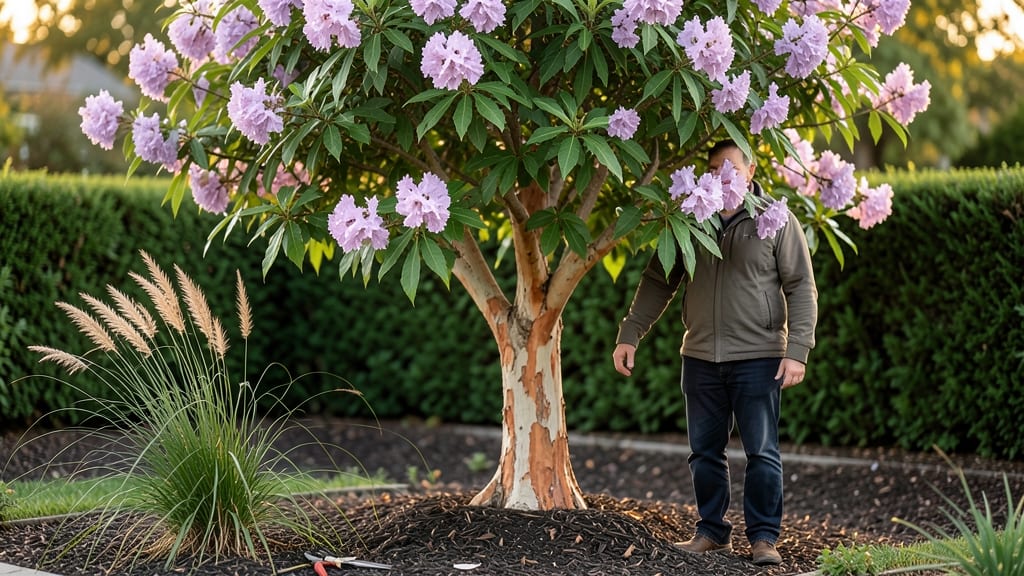
Have you ever wondered just how tall your 🌸 crepe myrtle could grow—or if that stunning blooming tree will one day block your view? The answer depends entirely on the variety you choose, with heights ranging from a modest 6 feet to a towering 30 feet!
If you're planning your landscape, knowing these heights is the key to making the right choice. A dwarf variety fits perfectly in small gardens, while standard types thrive as statement pieces in larger yards.
The good news? With proper care, you can influence how tall your crepe myrtle grows—whether you want it compact or grand.
Let’s break down the exact height ranges for popular varieties and share practical tips to manage growth. Whether you're dealing with limited space or aiming for a dramatic focal point, this guide has you covered.
Ready to pick the perfect crepe myrtle for your space? Let’s dive into the details so you can plant with confidence!


Crepe myrtle height by variety: from dwarf to giant trees
Crepe myrtles are famous for their vibrant blooms and adaptability, but their mature height can vary dramatically depending on the variety. If you’re planning your landscape, knowing these height ranges will help you choose the perfect fit for your space.
Some varieties stay as compact as 6 feet, while others can soar to 30 feet—taller than a two-story building! Let’s explore the most popular types and their growth habits.
For small gardens or urban yards, dwarf varieties are ideal. They offer all the beauty of crepe myrtles without the towering presence. On the other end of the spectrum, standard varieties make stunning focal points in large landscapes.
The key is matching the variety to your available space and design goals—whether you want a privacy screen, a shade tree, or a colorful accent.
Here’s a quick look at how crepe myrtle heights compare across varieties, including their growth habits and ideal spacing:
| Variety | Mature Height | Growth Habit | Spacing Needs |
|---|---|---|---|
| Arapaho | 6–8 ft | Upright, multi-stemmed | 8–10 ft apart |
| Tonto | 8–12 ft | Bushy, rounded | 10–12 ft apart |
| Natchez | 20–30 ft | Tall, pyramidal | 25–30 ft apart |
| Catawba | 15–20 ft | Vase-shaped | 15–20 ft apart |
| Muskogee | 10–15 ft | Multi-stemmed, spreading | 10–12 ft apart |
When selecting a crepe myrtle, consider not just height but also canopy spread. Some varieties, like Muskogee, grow wider than they do tall, making them perfect for hedges or privacy screens.
Others, like Natchez, are narrow and towering, ideal for vertical accents or shade trees. Always check the spacing requirements to avoid overcrowding roots or competing for nutrients.
Another factor influencing height is your climate zone. Crepe myrtles thrive in USDA Zones 6-9, but in warmer zones, they may grow faster and taller. If you’re in a cooler zone, expect slightly slower growth but still impressive heights over time.
For example, a Catawba in Zone 7 might max out at 18 feet, while the same variety in Zone 9 could reach 22 feet.
Pro tip: If you love the look of crepe myrtles but need a smaller option, look for grafted varieties. These are often sold as multi-stemmed shrubs (like Arapaho) and can be pruned to stay compact.
Just avoid cutting into the graft union—this can encourage the tree to revert to its taller, original form.
For large properties, standard varieties like Natchez or Catawba make dramatic statements. Their 30-foot heights provide shade, privacy, and year-round interest with their distinctive bark. Pair them with shorter perennials or annuals to create layers in your landscape design.
If you’re unsure which variety to choose, start with a medium-height option like Muskogee or Tonto. These offer flexibility—they’re tall enough for impact but manageable for most yards. Plus, they’re easier to prune if you need to control their size over time.
Remember, crepe myrtles grow 2–4 feet per year under ideal conditions. With proper care, you’ll see noticeable height gains each season, especially in their first 3–5 years. Plan ahead by giving them room to grow, and you’ll enjoy their beauty for decades.
🌸
How to choose the right crepe myrtle size for your yard
Selecting the perfect crepe myrtle for your space starts with understanding your yard’s dimensions. A 6-foot dwarf variety like 'Arapaho' fits cozy patios, while a 25-foot standard like 'Natchez' makes a bold statement in large landscapes.
Measure your space carefully—crepe myrtles need room to breathe, especially their spreading canopies, which can reach 10-15 feet wide at maturity.
Sunlight exposure also dictates which variety thrives best. Most crepe myrtles crave full sun (6+ hours daily), but dwarf varieties tolerate partial shade better. If your yard has shadier spots, opt for 'Tonto' or 'Catawba,' which handle 3-4 hours of sunlight without sacrificing blooms.
Always check your local USDA hardiness zone—most crepe myrtles thrive in zones 7-9, but some, like 'Sioux,' extend to zone 6.
🌿
📌 Key Takeaway: Size Matters!
- Dwarf (6-12 ft): Perfect for small yards, containers, or urban gardens.
- Semi-dwarf (12-18 ft): Ideal for medium spaces with mature trees nearby.
- Standard (20-30 ft): Best for large landscapes or as a focal point.
Pro Tip: Always plant crepe myrtles 10-15 feet away from structures to prevent root or branch interference.
Pruning plays a crucial role in managing height. If you plant a standard variety but want to keep it smaller, prune aggressively in late winter or early spring before new growth starts. Remove 1/3 of the canopy to encourage bushier growth.
For dwarf varieties, minimal pruning is needed—just trim dead wood to maintain shape. Avoid heavy pruning after July, as it can stunt blooms for the next season.
Spacing is another critical factor. A 10-foot-tall tree needs at least 8 feet of clearance overhead, while a 25-foot giant requires 20+ feet of space. In small gardens, consider multi-stemmed varieties like 'Centennial Spirit,' which grow as shrubs but still produce stunning flowers.
Always dig a hole twice as wide as the root ball to ensure proper root establishment.
For urban gardeners with limited space, container-growing is an option. Dwarf varieties like 'Muscle' or 'Zoli' thrive in 15-20 gallon pots with well-draining soil. Use a fast-draining potting mix and water deeply every 5-7 days during summer.
Remember, even dwarf crepe myrtles need full sun—place containers near south-facing windows or on patios with direct sunlight.
Finally, consider your long-term goals. If you envision a privacy screen, plant 3-5 standard varieties in a row, spaced 10-15 feet apart. For a shade tree, choose a taller variety like 'Tuscarora' and plant it 30+ feet from your home.
Always factor in future growth—crepe myrtles grow 1-2 feet per year, so plan accordingly!