
How To
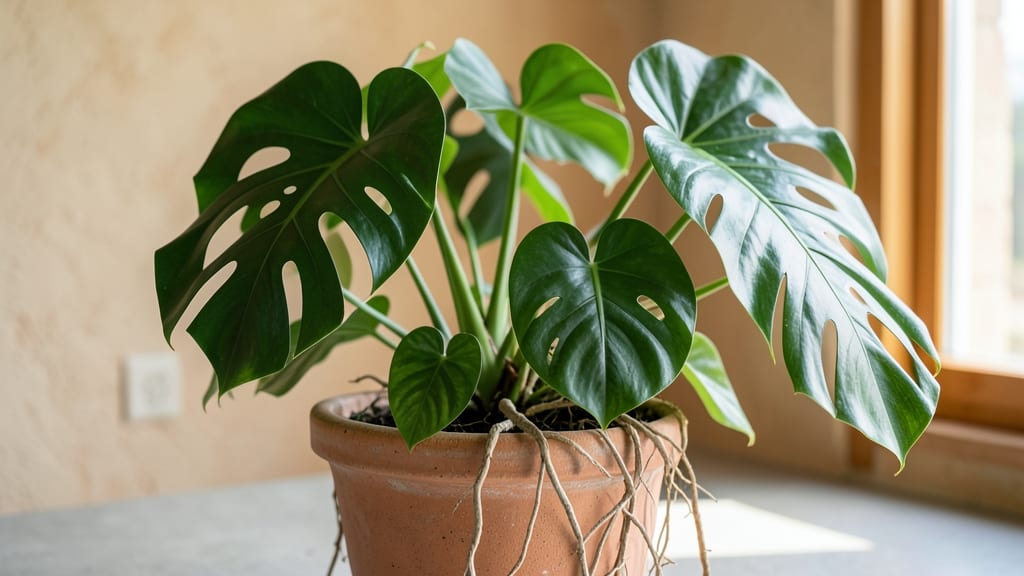
That monstera plant you’ve been nurturing might not be thriving because of its light—specifically, how much it’s getting (or not getting). Too little, and you’ll end up with leggy stems and sparse splits; too much, and those gorgeous leaves turn crispy at the edges.
The sweet spot? Bright, indirect light that mimics its tropical home.
Most people assume monstera 🌿 plants are low-maintenance, but lighting is the game-changer between a struggling vine and one that rewards you with dramatic fenestrations. I’ve tested everything from north-facing windows to grow lights, and the results will surprise you—especially if you’ve been guessing about placement.
Let’s cut through the confusion and get your plant the perfect balance.
You don’t need a greenhouse to nail this. A simple adjustment—like rotating your plant weekly or moving it closer to a sheer curtain—can transform its growth overnight.
Whether you’re dealing with yellowing leaves or stunted splits, I’ll walk you through the exact light conditions your monstera craves, plus how to troubleshoot common mistakes. Ready to turn that underwhelming plant into a statement piece?
The key lies in understanding brightness levels, seasonal shifts, and even the best windowsill spots. Skip the trial-and-error: I’ll give you the proven strategies to keep your monstera happy, healthy, and reaching for the sky—without burning a leaf in the process. Let’s dive in.

Monstera light requirements by growth stage: brightness levels that trigger splits
If you’ve ever watched your monstera plant grow from a small leafy stem to a sprawling vine with stunning fenestrations, you know light is the secret ingredient.
Young monsteras need moderate indirect light (1,000–2,000 foot-candles) to develop lush leaves, while mature plants thrive in bright indirect light (2,000–3,000 foot-candles) to trigger those iconic splits. Too little light? Your plant will stretch and weaken. Too much? You’ll get crispy brown edges.
Think of your monstera’s light needs like a tropical forest understory—dappled sunlight filtering through leaves. This means placing your plant near an east-facing window (gentle morning sun) or a north-facing window (consistent indirect light) works best. Avoid harsh west-facing windows or south-facing spots, where direct afternoon sun can scorch leaves.
Here’s the key: juvenile monsteras (under 2 feet) grow best in medium indirect light, while mature plants (3+ feet) crave bright indirect light to encourage larger leaves and splits.
If your plant is slowing down or developing yellow leaves, it’s likely not getting enough light. But if the edges turn brown or crispy, it’s getting too much.
🌿
| Growth Stage | Light Type | Foot-Candles | Best Window | Signs of Stress |
|---|---|---|---|---|
| Juvenile (<2 ft) | Medium Indirect | 1,000–2,000 | East/North | Leggy stems, small leaves |
| Mature (3+ ft) | Bright Indirect | 2,000–3,000 | East/North + sheer curtain | Brown leaf edges, slow splits |
| All Stages | Avoid Direct Sun | N/A | West/South (with filter) | Sunburn, yellow patches |
Notice how foot-candle ranges increase as your monstera matures? That’s because older plants need more energy to produce those large, split leaves. If your plant is in a low-light room (like a bathroom or basement), it might never develop fenestrations.
In this case, a grow light (6–12 inches away) can mimic the bright indirect light it craves.
Pro tip: Rotate your monstera quarter-turn weekly so all sides get even light exposure. This prevents lopsided growth and ensures those glossy leaves stay symmetrical. If you notice new growth leaning toward the light, it’s a clear sign your plant needs to be repositioned.
Seasonal changes also affect light needs. In winter, when daylight is shorter, your monstera may need a grow light supplement to maintain its energy levels. Conversely, in summer, you might need to move it away from windows to prevent sunburn during peak afternoon hours.
🌳
One of the biggest mistakes I see is placing monsteras in dark corners or under fluorescent office lights, which provide insufficient light for long-term health. If your home lacks natural light, consider a south-facing window with a sheer curtain or a dedicated grow light setup.
Even a few hours of bright indirect light daily can make a dramatic difference in your monstera’s growth rate.
Pay attention to the color and texture of your leaves. Healthy monsteras have deep green, glossy leaves with vibrant splits. If you start seeing pale yellow leaves or brown crispy edges, adjust the light immediately.
Yellow leaves often mean too much direct sun, while brown edges signal low humidity combined with intense light.
Monstera light requirements by growth stage: brightness levels that trigger splits
Your monstera thrives under bright indirect light, but its needs shift dramatically as it grows. Young plants require gentler conditions to develop sturdy stems, while mature plants crave more intensity to trigger those coveted fenestrations.
Think of it like a tropical forest understory—dappled light that filters through leaves, not harsh midday sun.
For juvenile monsteras (under 2 feet), aim for 1,000–2,000 foot-candles of light—about the brightness of a well-lit office. Place them 2–3 feet from an east-facing window where morning sun is gentle.
Mature plants (over 5 feet) need 2,000–3,000 foot-candles, closer to a bright living room with sheer curtains. Too little light? Your plant will stretch toward the window, growing leggy and weak. Too much? Watch for brown crispy edges on leaves.
| Growth Stage | Ideal Light Level | Foot-Candles | Window Placement |
|---|---|---|---|
| Juvenile (<2 ft) | Bright Indirect | 1,000–2,000 | East/North, 3 ft away |
| Mature (5+ ft) | Bright to Medium Indirect | 2,000–3,000 | East/West, 2 ft away |
| Variegated Types | Very Bright Indirect | 3,000–4,000 | South with sheer curtain |
North-facing windows provide consistent but dim light, perfect for slow-growing monsteras in low-light homes. If your plant starts developing small, dark green leaves with no fenestrations, it’s begging for more light. Rotate your monstera quarter-turn weekly to encourage even growth—uneven light causes lopsided splits and weak stems.
Pro tip: West-facing windows offer intense afternoon light, but use a sheer curtain to diffuse harsh rays and prevent sunburn spots.
Seasonal changes demand adjustments too. In winter, when natural light dims, supplement with a 12-hour grow light (LED or fluorescent) placed 12–18 inches above the plant. Look for cool white or full-spectrum bulbs—avoid warm tones, which skew red and stress tropical plants.
If your monstera’s leaves turn yellow with brown edges, it’s a cry for higher humidity (aim for 60–70%) paired with indirect light. Mist leaves daily or use a pebble tray to mimic its rainforest humidity needs.
Watch for these light stress signs: Yellow leaves = too much direct sun; Pale, small leaves = not enough light; Brown crispy patches = sunburn. The key is balance—your monstera wants to stretch toward light but not fry in it.
A healthy monstera has glossy, deep green leaves with new splits forming every few months. With the right light, your plant will reward you with dramatic growth spikes and those iconic Swiss-cheese leaves you’ve been dreaming of.
Ready to troubleshoot? In the next section, I’ll show you exact fixes for leggy stems, sunburn, and slow growth—plus how to rotate and supplement light like a pro. 🌿