
How To
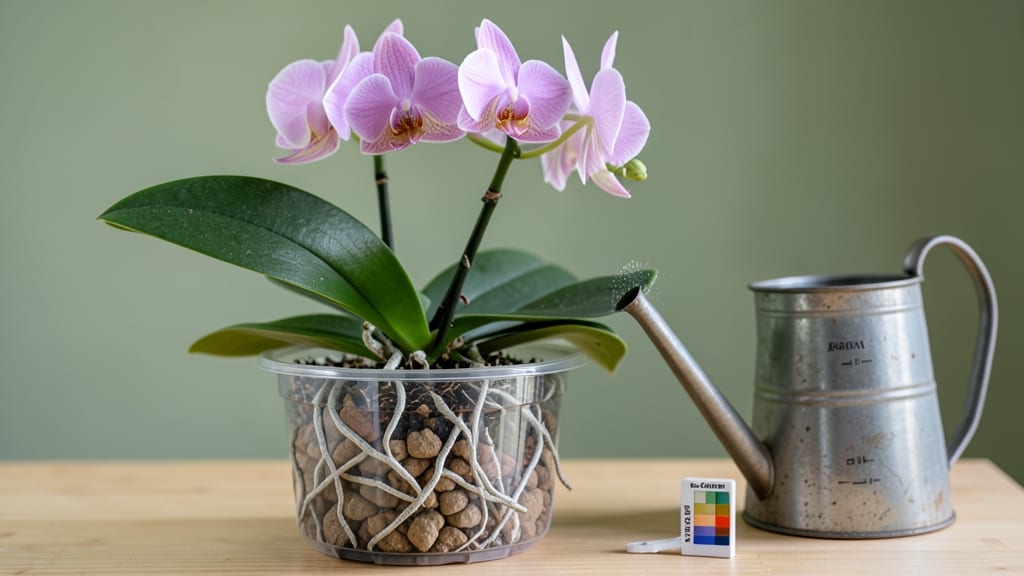
Mastering orchids in hydroton how often to water can feel like solving a puzzle—one wrong move, and your delicate 🌸 roots either drown or wither. But here’s the secret: Hydroton’s unique moisture retention changes everything compared to traditional soil, and most growers still get it wrong.
I’ve tested countless orchids in Hydroton, and the biggest mistake isn’t overwatering—it’s guessing when to water. The right schedule keeps roots happy without the risk of rot, and I’ll show you exactly how to read your Hydroton’s moisture levels like a pro. No more second-guessing!
Whether you’re growing Phalaenopsis or Cattleyas, your watering routine should shift with seasons, humidity, and even light conditions. I’ll break down the science-backed weekly adjustments that’ll have your orchids thriving year-round—no more brown tips or limp leaves.
Ready to ditch the trial-and-error? Let’s dive into the exact schedule and visual cues that’ll transform your orchid care. Your plants (and your sanity) will thank you.
Orchids in Hydroton watering schedule: exact frequency by season and climate
Watering orchids in Hydroton (expanded clay pebbles) is different from traditional soil or bark mixes because Hydroton doesn’t retain moisture like organic media. The goal is to keep roots lightly hydrated without drowning them—overwatering is the #1 killer of Hydroton-grown orchids.
Unlike soil, Hydroton drains quickly, so your schedule must account for evaporation rates, humidity levels, and orchid species needs.
For most Phalaenopsis orchids (the most common type grown in Hydroton), aim to water every 7–10 days in average indoor conditions (50–60% humidity, 65–75°F). However, Cattleya or Dendrobium varieties may need adjustments—Cattleyas prefer slightly drier conditions, while Dendrobiums tolerate more frequent watering during active growth.
Always check the Hydroton moisture level before watering to avoid guesswork.
Here’s the seasonal watering breakdown for orchids in Hydroton, tailored to typical indoor environments. Adjust based on your home’s humidity (use a hygrometer if unsure) and temperature—higher temps mean faster drying.
| Season | Watering Frequency | Hydroton Moisture Check | Notes |
|---|---|---|---|
| Spring (Mar–May) | Every 7 days | Top 1 inch dry | Active growth phase; increase to every 5–7 days if humidity < 50%. |
| Summer (Jun–Aug) | Every 5–7 days | Top ½ inch dry | Higher temps = faster drying; monitor daily if above 80°F. |
| Fall (Sep–Nov) | Every 10–14 days | Top 1.5 inches dry | Cooler temps slow evaporation; reduce frequency unless humidity is low. |
| Winter (Dec–Feb) | Every 14–21 days | Top 2 inches dry | Dormancy period; skip if roots look plump and green. |
💧 Pro Tip: Always water in the morning to allow excess moisture to evaporate before nightfall.
Your orchid’s pot size also affects how often you water. A 4-inch pot will dry out faster than a 6-inch pot because there’s less Hydroton to hold moisture.
For example, a Phalaenopsis in a 4-inch pot might need watering every 5–7 days in summer, while the same orchid in a 6-inch pot could stretch to 7–10 days. Use your finger to test: if the top ½–1 inch of Hydroton feels dry, it’s time to water.
Humidity plays a huge role in Hydroton watering. In low-humidity environments (below 50%), water more frequently—even daily in extreme cases—to compensate for rapid evaporation. If your home has high humidity (above 70%), extend the time between waterings by 2–3 days.
A hygrometer ($10–$15) is a game-changer for precision. Place it near your orchids to track trends over time.
One critical mistake is assuming Hydroton stays moist like soil. Unlike bark or sphagnum moss, Hydroton doesn’t hold water—it’s purely a drainage medium. After watering, excess should drain completely within 10–15 minutes.
If your pot has no drainage holes, add them immediately or switch to a pot with holes to prevent root suffocation. Always water until you see water flowing out the bottom, then let it drain fully before returning the orchid to its cache pot or tray.
For Phalaenopsis orchids, which are the most popular for Hydroton culture, aim for a consistent moisture balance. These orchids thrive when their roots are firm but not soggy. If you’re unsure whether to water, wait one more day.
Underwatering is less harmful than overwatering in Hydroton, as the roots can recover from brief dryness but rot quickly in saturated conditions. Observe your orchid’s root color: healthy roots should be green or silver when dry and green when hydrated.
If you’re growing Cattleya orchids in Hydroton, adjust your schedule to drier conditions. Cattleyas prefer longer dry periods between waterings, especially in winter. Water every 10–14 days in spring/fall and every 2–3 weeks in winter
Signs your orchid needs water (or too much): Hydroton-specific root health indicators
Hydroton orchids rely on visual cues rather than traditional soil checks, making root health your best watering guide. Unlike bark mixes, Hydroton stays dry between waterings, so you’ll need to observe both the medium and your orchid’s leaves for clues.
Pay close attention to the color and texture of roots—they’re your early warning system for over- or under-watering.
Start by gently removing your orchid from its pot (if possible) to inspect the roots. Healthy roots in Hydroton should appear silver-green when dry and plump green when hydrated. If they look shriveled or translucent, it’s time to water immediately.
Conversely, dark brown or mushy roots signal root rot from excess moisture—this is a critical red flag in Hydroton setups.
Your orchid’s leaves also speak volumes. Drooping or wrinkled leaves are classic dehydration signs, while yellowing or soft leaves often mean overwatering. In Hydroton, leaves may also develop black spots if moisture lingers too long, as the medium doesn’t drain as quickly as bark.
Always pair leaf checks with a quick finger test of the Hydroton’s top layer.
🌱
⚠️ Hydroton Watering Warning Signs
These mistakes are common pitfalls that disrupt orchid health in Hydroton:
- Ignoring root color: Waiting until roots turn black to act means root rot has already set in.
- Watering on a schedule: Hydroton’s moisture retention varies by humidity and temperature—never guess!
- Using tap water: Chlorine and fluoride can burn roots over time; always use room-temperature distilled water.
- Skipping airflow: Hydroton needs circulation to dry evenly; crowded pots trap moisture.
For a more precise approach, use the "lift test" method: Pick up your pot—if it feels light as a feather, your Hydroton is bone-dry and needs water. If it’s surprisingly heavy, hold off for another 3-5 days to avoid soggy roots.
Remember, Hydroton’s porous nature means it releases moisture slowly, so you’ll rarely need to water more than once every 7-10 days in average conditions.
Pro tip: Place a moisture meter in your Hydroton for a week to learn its unique rhythm. Most meters designed for soil won’t work—opt for a capacitance-style meter that reads moisture in inert media. This small investment will prevent overwatering and give you confidence in your schedule.
Finally, watch for bloom response. Orchids in Hydroton often rebloom more frequently when watered correctly, with firm, vibrant flowers and minimal leaf drop. If your orchid’s blooms wilt within 24 hours of opening, it’s a sign of chronic underwatering—adjust your schedule immediately.
💧