
How To
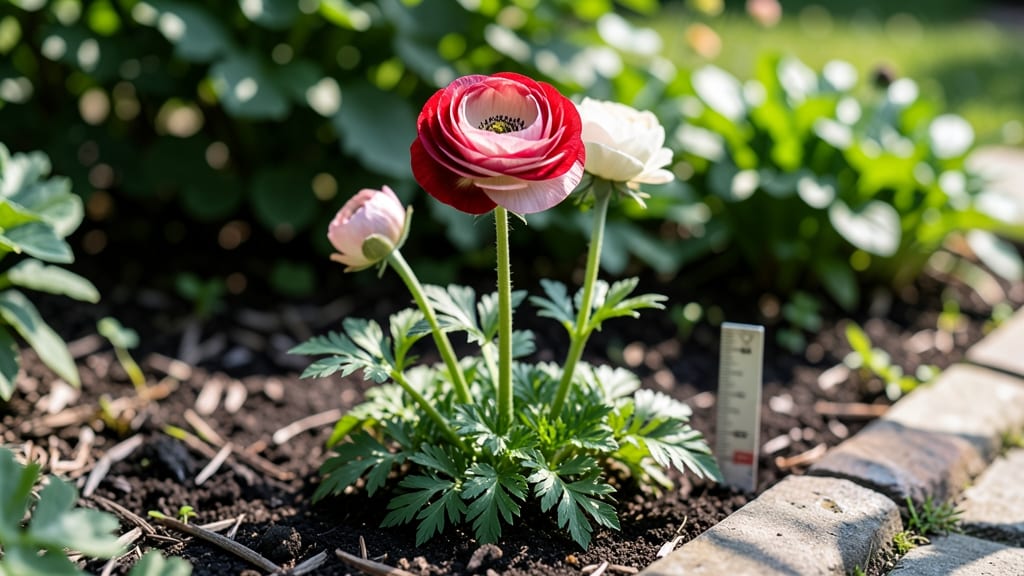
If you’ve ever wondered just how tall ranunculus can grow before planning your garden layout, you’re not alone. These delicate 🌸 blooms might look fragile, but their height varies wildly—from barely peeking over a windowsill to reaching nearly waist-high in ideal conditions.
The key to getting the most out of your ranunculus lies in choosing the right variety for your space.
Most common types hover around 6 to 12 inches, perfect for borders or containers, while specialty "giant" varieties can stretch up to 18 inches—making them stars in bouquets or back-of-the-border displays.
But here’s the catch: their final height depends on more than just genetics. Soil quality, sunlight exposure, and even pruning habits can push them taller—or keep them compact. I’ll break down exactly what influences their growth and how to coax your plants to their full potential.
Whether you’re designing a cottage garden or just filling a pot, knowing these height secrets will help you place your ranunculus where they’ll shine. Let’s dive into the details so you can grow them with confidence!


Ranunculus height by variety: compact to towering blooms
When planning your garden, knowing ranunculus height by variety is key—these delicate blooms can range from 6-inch dwarfs to 18-inch giants. The right choice depends on your space and design goals, whether you're filling containers or creating dramatic backdrops.
Most gardeners start with standard ranunculus (10–12 inches tall), but specialty varieties push the limits in both directions.
Dwarf ranunculus, like the 'Buttercup' series, top out at just 6–8 inches, making them perfect for window boxes or fairy gardens. At the other extreme, 'Giant' ranunculus varieties can reach 16–18 inches, ideal for cut flower arrangements or tall borders.
Even within these ranges, individual blooms can vary by 2–4 inches depending on growing conditions.
Here’s how to match ranunculus varieties to your garden’s vertical needs:
| Variety Type | Height Range | Best For | Notes |
|---|---|---|---|
| Dwarf (e.g., 'Buttercup') | 6–8 inches | Containers, fairy gardens | Compact blooms, great for pollinators |
| Standard (e.g., 'Stargazer') | 10–12 inches | Borders, cut flowers | Most popular choice for beginners |
| Semi-Dwarf (e.g., 'Penny') | 8–10 inches | Mixed borders, window boxes | Balanced height for versatility |
| Giant (e.g., 'Giant Mixed') | 16–18 inches | Cut flower arrangements, back-of-border | Requires staking for tall stems |
| Heirloom (e.g., 'Persian') | 12–14 inches | Vintage gardens, heirloom collections | Unique, layered petals |
If you’re growing ranunculus for cut flowers, prioritize taller varieties like 'Giant Mixed' or 'Stargazer', which produce stems long enough for bouquets. For container gardening, dwarf types like 'Buttercup' thrive in 6–8 inch pots, while semi-dwarfs work well in larger containers (10+ inches deep).
Always check seed packets for exact measurements—some hybrid varieties can exceed listed heights by 1–2 inches in ideal conditions.
Pro tip: Spacer plants like sweet alyssum or lobelia can fill gaps when pairing ranunculus with taller perennials. For example, a 12-inch ranunculus looks stunning when tucked behind 18-inch delphiniums or 24-inch hollyhocks. Just avoid planting them near aggressive spreaders like mint, which can crowd their delicate stems.
Height isn’t the only factor—bloom size also varies. Giant ranunculus may reach 3–4 inches wide, while dwarfs stay around 1.5–2 inches. This means taller varieties often produce fewer but larger blooms, while compact types offer more frequent, smaller flowers throughout the season.
Choose based on whether you prefer dramatic statement blooms or continuous color.
For first-time growers, I recommend starting with standard ranunculus (10–12 inches). They’re forgiving, produce abundant blooms, and work in nearly any garden setting. Once you’ve mastered their care, experiment with dwarf or giant varieties to add height variety to your designs.
Just remember: soil drainage is critical for all ranunculus—poor drainage can stunt growth by up to 30%.
🌸
How ranunculus height affects garden design and care
Understanding your ranunculus’s mature height isn’t just about picking the right variety—it’s the key to creating a showstopping garden layout. Taller varieties like 'Giant' ranunculus (12–18 inches) need sturdy support or back-of-border placement, while dwarf types (6–10 inches) shine in containers or front borders.
Even a 6-inch difference can mean the difference between a floppy mess and a polished display.
For garden design, group ranunculus by height: place tallest varieties (12+ inches) behind mid-height perennials like delphiniums or foxgloves, and tuck shorter types (6–10 inches) near pansies or sweet alyssum. This creates natural tiers and prevents taller blooms from hiding smaller companions.
🌸
- 🌿 Tall ranunculus (12–18"): Plant 12–18" from borders; use stakes or cages for windy areas.
- 🪴 Medium ranunculus (10–12"): Ideal for mixed borders—pair with black-eyed Susans or coneflowers.
- 🏺 Dwarf ranunculus (6–10"): Perfect for containers or window boxes; mix with calibrachoa for cascading contrast.
- ✂️ All heights: Deadhead spent blooms to encourage continuous flowering and prevent legginess.
Height also dictates care adjustments. Taller ranunculus need stronger stems, so avoid overcrowding—space them 8–12 inches apart in beds. For container gardening, choose dwarf varieties and use well-draining soil to prevent root-bound stunting.
Even a 1-inch difference in planting depth can affect final height, so follow the 2–3 inch rule for bulbs.
Sunlight exposure matters too: Taller ranunculus may need afternoon shade in hot climates to prevent wilting, while shorter types thrive in full sun. Monitor moisture—overwatering can cause floppy stems, especially in heavy clay soil. A mulch layer helps regulate soil temperature and moisture for consistent growth.
Pruning plays a role too. For taller varieties, pinch back early shoots to encourage bushier growth, while shorter types benefit from light trimming to remove yellowing leaves.
This keeps energy focused on bloom production rather than leggy stems. With the right approach, even 10-inch ranunculus can look like 18-inch giants!
🌻