
How To
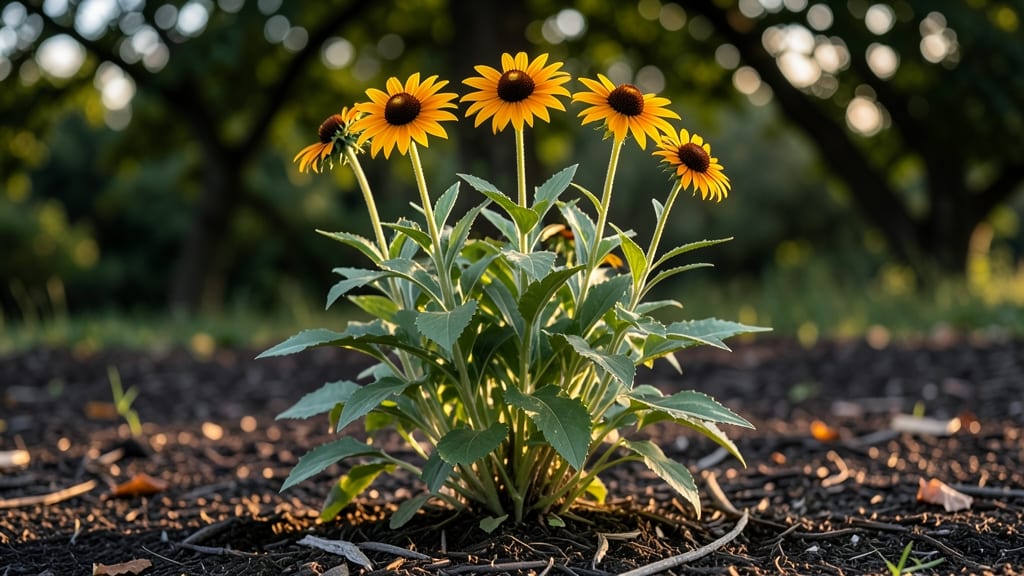
Black-eyed Susan height by variety: a complete size guide
Black-eyed Susans (Rudbeckia hirta) are famous for their bright, cheerful blooms and easygoing nature—but their height can vary dramatically depending on the variety. Whether you're planning a container garden or a wildflower meadow, knowing the mature size helps you space plants properly.
Most varieties reach 1.5 to 3 feet tall, but some dwarf types stay under 12 inches, while giant cultivars can top 4 feet.
The genetics of each variety are the biggest factor in height. For example, the popular 'Becky' variety stays compact, while 'Giant Glow' reaches impressive heights. Sunlight exposure and soil fertility also play a role—too much nitrogen can make plants leggy, while well-draining soil encourages sturdy growth.
Let’s break down the most common varieties and their mature sizes to help you choose the perfect fit for your garden.
If you're working with limited space, varieties like 'Becky' or 'Little Goldstar' (10–12 inches) are perfect for containers or window boxes. These compact types thrive in small gardens or urban patios while still attracting bees and butterflies.
For larger landscapes, taller varieties like 'Giant Glow' or 'Cherry Brandy' (2.5–3.5 feet) create stunning backdrops or meadow-like displays.
One thing to remember: height isn’t the only factor when choosing varieties. Consider bloom color, flower size, and seasonal interest.
For example, 'Indian Summer' has striking deep brown centers that contrast beautifully with golden petals, while 'May Night' offers a moody, almost black hue that stands out in mixed borders. The right variety can elevate your garden’s visual impact while keeping maintenance simple.
For first-year growth, expect black-eyed Susans to reach about half their mature height. This means a 'Becky' plant might only hit 6–9 inches in its first season, while a 'Giant Glow' could grow 1.5–2 feet.
Patience pays off—these plants often double in size from year two onward, especially in rich, well-drained soil with plenty of sunlight.
Pro tip: If you're unsure about spacing, start with dwarf varieties and gradually introduce taller types. This lets you test what works in your garden without overcrowding.
For example, plant 'Golden Globe' (1.5–2.5 feet) 12–18 inches apart in borders, while 'Giant Glow' (3–4 feet) needs 2–3 feet of space to avoid competition for nutrients and sunlight.
Another way to influence height is through pruning techniques. Pinching back young plants in early spring can encourage bushier, more compact growth, while leaving them unpruned allows them to reach their full potential.
We’ll cover pruning strategies in detail in the next section, but for now, remember: less pruning = taller plants, while more pruning = shorter, fuller blooms.
Black-eyed Susans are incredibly versatile perennials, meaning they’ll return year after year with minimal effort. Their height adaptability makes them a favorite for gardeners of all experience levels.
Whether you're a beginner looking for low-maintenance blooms or a seasoned gardener designing a pollinator-friendly meadow, there’s a black-eyed Susan variety that’s just the right size for your vision.
Ready to pick your perfect variety? Grab a tape measure, sketch your garden layout, and don’t forget to account for future growth. With the right spacing and care, your black-eyed Susans will thrive—and so will your garden’s curb appeal
How to control black-eyed Susan height with pruning and care
If you're growing black-eyed Susans but want to manage their height—whether to keep them shorter for borders or encourage taller stems for cut flowers—you’re in control.
These plants naturally grow 1 to 3 feet tall, but with the right pruning techniques and care strategies, you can shape them to fit your garden vision. The key lies in understanding when and how to trim, along with proper spacing and nutrient management.
One of the simplest ways to control height is through deadheading. By removing spent blooms regularly, you encourage the plant to focus energy on producing more flowers rather than growing taller.
This method works especially well for standard varieties like 'Becky' or 'May Night,' which can reach 2 to 3 feet without intervention. For dwarf varieties, deadheading helps maintain their compact form while promoting bushier growth.
Pruning is another powerful tool. To keep your black-eyed Susans shorter, trim back the stems by one-third after the first flush of blooms in early summer. This encourages lateral branching, resulting in a fuller, more compact plant.
For taller varieties, avoid heavy pruning unless you want to reduce height—focus instead on removing only the top growth to maintain a balanced shape. Always use clean, sharp pruners to prevent disease and promote healthy regrowth.
Step-by-Step Pruning Guide for Black-Eyed Susans
- Step 1: Wait until after the first bloom cycle (early summer) to prune.
- Step 2: Use sterilized pruners to cut stems at a 45-degree angle, about 1/3 above a leaf node.
- Step 3: For shorter plants, trim back 1/3 of the stem height to encourage bushiness.
- Step 4: Remove dead or diseased stems at the base to improve airflow.
- Step 5: Apply a balanced fertilizer (10-10-10) after pruning to support new growth.
Sunlight plays a surprising role in height control. While black-eyed Susans thrive in full sun (6+ hours daily), they can become leggy if deprived of adequate light.
If your plants are stretching too tall, consider moving them to a sunnier location or supplementing with a grow light during shorter days. Conversely, providing partial shade (3-4 hours of sun) can slightly reduce height, though it may also limit blooming.
Fertilizer choices can also influence height. While black-eyed Susans are low-maintenance and don’t require heavy feeding, a light application of balanced fertilizer (like 10-10-10) in early spring can promote steady growth without excessive height.
Avoid high-nitrogen fertilizers, which encourage leafy growth at the expense of flower production. Instead, opt for a phosphorus-rich fertilizer to boost blooming while keeping stems sturdy.
Finally, proper spacing is essential. Plant dwarf varieties (like 'Goldsturm') 12 to 18 inches apart to prevent overcrowding, which can stunt growth. For taller varieties, space them 2 to 3 feet apart to allow airflow and reduce competition for nutrients.
Overcrowding often leads to weaker stems and shorter plants, so plan your layout carefully for the height you desire.
With these techniques, you can easily tailor your black-eyed Susans to fit your garden’s needs—whether you want a neat border, a wildflower meadow backdrop, or a cut-flower garden. Experiment with pruning and care to find the perfect balance for your space! 🌼