
Trees
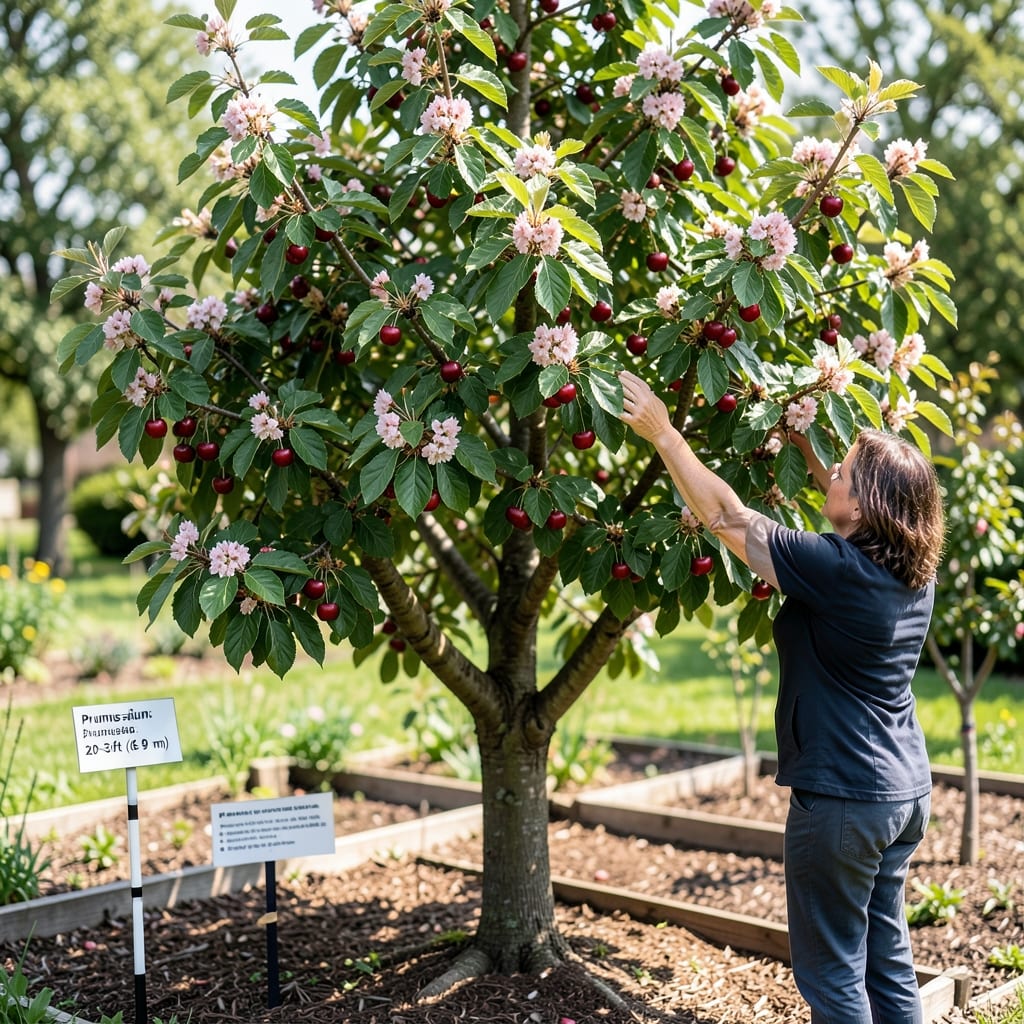
If you’ve ever dreamed of plucking fresh cherries from your own backyard, you’re probably wondering: how tall can a cherry tree grow before it outgrows your space—or your patience? The answer isn’t just about aesthetics; it’s the difference between a 20-foot shade provider and a 40-foot tower that needs a ladder just to pick fruit.
Cherry trees like the 🍒 variety you’re eyeing can range from compact 8-foot dwarfs to towering giants reaching 40 feet—depending on the variety, rootstock, and growing conditions. Whether you’re in USDA Zone 6a or another region, understanding these factors will help you choose the perfect tree for your yard and manage its growth over time.
But here’s the kicker: even a standard-sized cherry tree can be tamed with the right pruning and care. I’ll break down the key differences between dwarf, semi-dwarf, and full-sized varieties, plus the soil and climate factors that can either stunt or skyrocket your tree’s height. No more guessing—just actionable tips to keep your cherry tree at the perfect height for your space and harvest needs.
Ready to pick the right cherry tree for your backyard? Let’s dive into the varieties, care tips, and spacing tricks that will keep your tree—and your property—happy for years to come.


Cherry tree height by variety: dwarf to giant growth potential
When shopping for cherry trees, the first question I ask myself is: how tall can a cherry tree grow in my backyard? The answer depends entirely on the variety and its rootstock. For example, a dwarf cherry tree like the 'Stella' variety tops out at 8-12 feet, making it perfect for small urban yards, while a standard Bing cherry can soar to 30-40 feet—taller than most two-story homes!
Rootstock plays a starring role in height control. Trees grafted onto Mahaleb rootstock (common for tart cherries) grow 20-30 feet, while those on Gisela rootstock (popular for dwarf varieties) stay under 12 feet. Even within the same species, like sweet cherries vs. tart cherries, height differences are dramatic. A Montmorency tart cherry might reach 25 feet, while a Lapins sweet cherry (a dwarf) remains under 10 feet.
Here’s the key takeaway: if your space is limited, prioritize dwarf or semi-dwarf varieties. These are bred to stay manageable while still producing high-quality fruit. For larger properties, standard varieties offer abundant harvests but require regular pruning and spacious planting—at least 20 feet from structures or other trees.
| Variety | Rootstock | Mature Height (ft) | Best For | Spacing Needs |
|---|---|---|---|---|
| 'Stella' (Sweet) | Gisela 5 | 8-12 ft | Small yards, containers | 10-12 ft from structures |
| 'Bing' (Sweet) | Mahaleb | 25-35 ft | Large properties, orchards | 20-30 ft from structures |
| 'Montmorency' (Tart) | Mahaleb | 20-25 ft | Medium yards, pie-making | 15-20 ft from structures |
| 'Lapins' (Sweet) | Gisela 6 | 10-12 ft | Balconies, small gardens | 8-10 ft from structures |
| 'Sweetheart' (Sweet) | Gisela 3 | 6-8 ft | Containers, patios | 6-8 ft from structures |
🌱 Pro Tip: Always check the nursery label for rootstock details—it’s the secret to controlling height!
Choosing the right variety isn’t just about height—it’s about fruit production and ease of care. Dwarf varieties like 'Sweetheart' are ideal for container growing or balcony gardens, while semi-dwarf varieties (like 'Stella') strike a balance between size and harvest. If you’re in USDA Zone 6a or colder, opt for cold-hardy varieties like 'Montmorency', which thrive even in shorter growing seasons.
One mistake I see often? Assuming all cherry trees grow the same. A standard Bing cherry planted in a small suburban yard will quickly become a pruning nightmare and a shade monster. Always measure your space and match it to the tree’s mature height. For example, a 12-foot semi-dwarf needs at least 10 feet of clearance on all sides to avoid overcrowding.
For those with limited space, consider espalier training, a technique that flattens trees against walls or fences. This can reduce the spread and height of even standard varieties by up to 50%. I’ve trained a 15-foot Bing cherry into a 6-foot-tall wall feature—it’s a game-changer for urban gardeners!
Finally, remember that soil quality and sunlight can tweak these height ranges. A tree in poor soil might stay shorter, while one in rich, well-draining soil with full sun could grow taller than expected. Next, we’ll dive into how to optimize soil and climate conditions to get the perfect height for your cherry tree.
Soil and climate factors that stunt or skyrocket cherry tree growth
The how tall can a cherry tree grow question often hinges on two critical factors: soil conditions and climate. While rootstock and variety set the baseline, your local environment can push a 10-foot dwarf to 15 feet or shrink a 30-foot standard to just 20 feet. Poor soil or harsh winters might stunt growth, while ideal conditions can accelerate it—sometimes dramatically.
Let’s start with soil drainage. Cherry trees despise soggy roots. If your soil holds too much moisture—common in clay-heavy areas—a 'Stella' cherry on Gisela 5 rootstock might only reach 6-8 feet instead of its expected 8-12 feet. Amend heavy soil with compost or sand to improve drainage. Conversely, fast-draining sandy soil can force a tree to grow taller and thinner as it searches for nutrients, pushing a semi-dwarf toward 18 feet instead of 12 feet.
⚠️ Warning: Compacted or waterlogged soil can stunt root growth by up to 40%, limiting height but also reducing fruit production. Always test your soil’s drainage before planting!
Next, consider pH levels. Cherry trees thrive in slightly acidic soil (pH 6.0-6.5). If your soil is too alkaline (pH 7.5+), nutrient uptake suffers, and growth slows. I once saw a Bing cherry on Mahaleb rootstock grow only 15 feet in 5 years because the soil pH was 8.0. A simple lime application (to lower pH) or sulfur treatment (to raise pH) can restore balance and encourage healthier, taller growth.
Now, let’s talk sunlight. Cherry trees demand 6-8 hours of full sun daily. In partial shade, a standard Bing cherry might max out at 25 feet instead of 35 feet, while a dwarf 'Sweetheart' could shrink to 4-6 feet. If your yard has afternoon shade, plant your tree where it gets morning sun—this is when cherries need the most light for photosynthesis and growth.
Finally, climate and USDA hardiness zones play a role. Trees in Zone 6a (like mine!) may grow slower in colder microclimates, while those in Zone 8 can reach their full height faster. For example, a 'Montmorency' tart cherry in Zone 5 might stay under 18 feet due to shorter growing seasons, while the same tree in Zone 7 could hit 25 feet. Always check your zone and choose varieties bred for your climate.
One pro tip? Mulch strategically. A 3-inch layer of organic mulch (like wood chips) keeps roots cool in summer and insulated in winter, encouraging steady growth. I’ve seen mulched trees grow 20% taller than unmulched counterparts over 3 years. Just keep mulch 6 inches away from the trunk** to prevent rot.
By optimizing these factors, you can nudge your cherry tree toward its ideal height—whether that’s a compact 8 feet for a patio or a towering 30 feet for a country orchard. Next, we’ll cover pruning techniques to fine-tune height naturally without sacrificing fruit production.