
Size
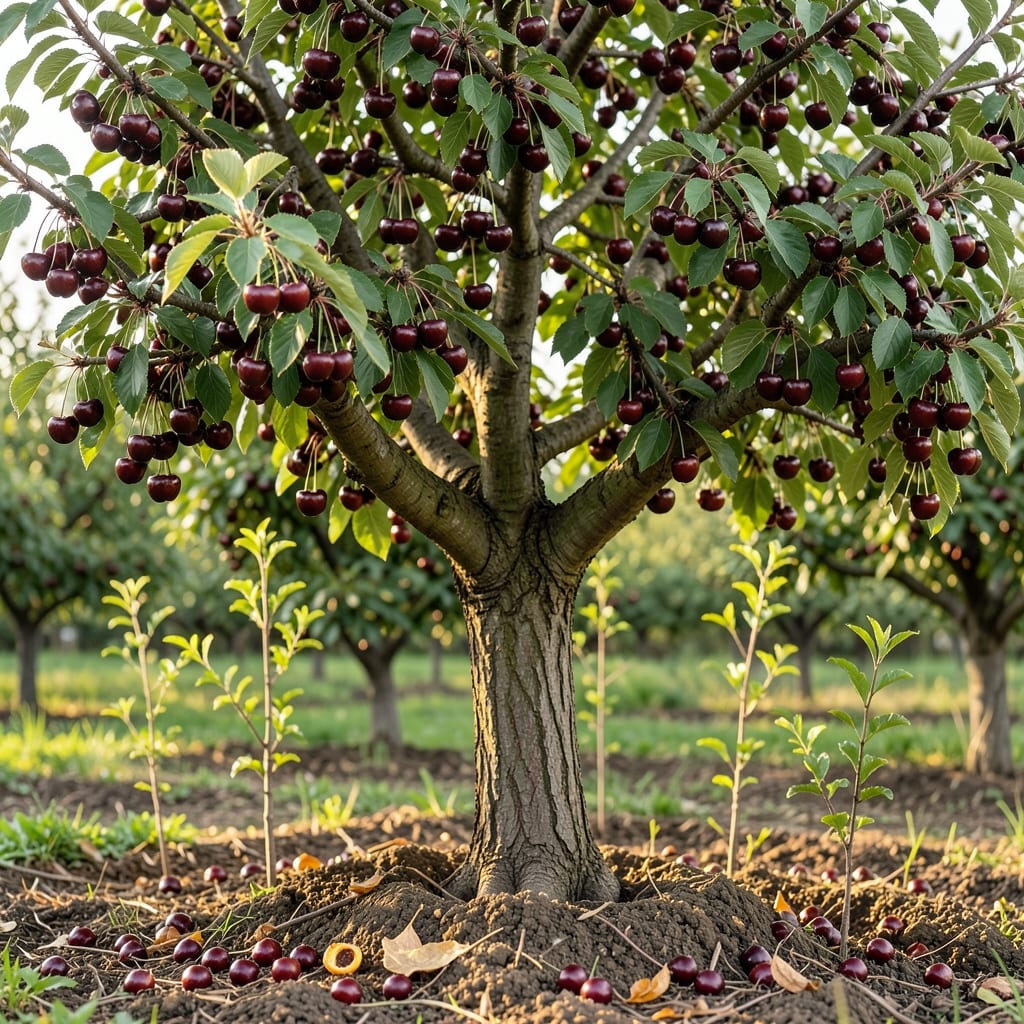
If you’ve ever wondered how tall can cherry trees grow, the answer might surprise you—these stunning 🌸 trees can range from modest backyard dwarfs to towering giants that dwarf even the tallest two-story homes.
Most cherry trees, like the classic Prunus avium (sweet cherry), can reach 20 to 40 feet at maturity, while ornamental varieties like 'Kanzan' often top out around 25 feet. But don’t worry—dwarf cultivars (grafted on special rootstock) stay between 8 to 12 feet, making them perfect for small spaces.
The key to controlling height lies in choosing the right variety and rootstock, plus smart pruning. Whether you’re dreaming of a shade-providing giant or a compact fruit-bearing tree, we’ll break down everything you need to know to pick the perfect size for your yard.
From climate influences to pruning tips, you’ll learn how to nurture a cherry tree that fits your space—without sacrificing beauty or fruit. Let’s get started!


Cherry tree height by variety: from dwarf to giant sizes
Cherry trees come in a stunning range of sizes, from dwarf varieties that fit patios to towering giants that shade entire yards. The height you’ll end up with depends on two key factors: the species (sweet, tart, or ornamental) and the rootstock it’s grafted onto. For example, a Prunus avium (sweet cherry) on its own rootstock can reach 30-40 feet, while the same variety grafted onto dwarfing rootstock stays between 8-12 feet.
Understanding these differences helps you choose the perfect tree for your space. Whether you’re a city dweller with a tiny balcony or a rural homesteader with acres, there’s a cherry tree height that’s right for you. Let’s explore the most popular varieties and their mature sizes to help you make an informed decision.
🌸
| Variety | Type | Mature Height | Notes |
|---|---|---|---|
| 'Stella' | Sweet Cherry | 10-15 ft | Dwarf; great for containers |
| 'Black Tartarian' | Sweet Cherry | 30-40 ft | Standard; needs space |
| 'Montmorency' | Tart Cherry | 15-20 ft | Semi-dwarf; cold-hardy |
| 'Kanzan' | Ornamental | 20-25 ft | Stunning pink blooms; minimal fruit |
| 'Balaton' | Sweet Cherry | 8-12 ft | Dwarf; self-pollinating |
| 'Lapins' | Sweet Cherry | 25-35 ft | Standard; late bloomer |
Sweet cherries like 'Black Tartarian' and 'Lapins' are the classic giants, often reaching 30-40 feet at maturity. These trees are stunning but require ample space—think of them as the skyscrapers of the orchard. If you’re dreaming of a tree that provides shade for a picnic area or lines a driveway, these varieties are perfect.
On the other hand, dwarf varieties like 'Stella' and 'Balaton' are ideal for small gardens, patios, or even large containers. They stay between 8-15 feet, making them accessible for harvesting and easy to prune. Plus, their compact size means you can grow multiple trees close together, increasing your cherry yield without sacrificing space.
Ornamental cherries, such as the 'Kanzan', are all about the showstopping blooms rather than fruit production. These trees typically grow to 20-25 feet and are prized for their pink, double flowers that appear in early spring. They’re a favorite for landscaping because they add year-round interest, from blossoms to glossy foliage and even attractive bark in winter.
Tart cherries, like 'Montmorency', often fall into the semi-dwarf category, growing to 15-20 feet. These trees are hardy and productive, making them a great choice for colder climates. They’re also self-pollinating, so you don’t need to plant a second tree for fruit production.
🌳
One thing to keep in mind is that height isn’t the only factor—the spread of the tree also matters. Some varieties, like 'Black Tartarian', have a wide canopy that can reach 20-25 feet in diameter, while others, like 'Stella', stay more compact with a spread of 8-10 feet. Always check the mature spread when selecting a tree to ensure it fits your space.
If you’re unsure which size to choose, consider your long-term goals. Do you want a tree for fruit production, shade, or ornamental value? Your answer will guide you toward the right variety. For example, if you’re in an urban area with limited space, a dwarf sweet cherry like 'Balaton' is a fantastic choice. If you have a large rural property, a standard tart cherry
How to choose a cherry tree height for your space
Selecting the right cherry tree height for your yard isn’t just about aesthetics—it’s about creating a functional and sustainable space. Start by measuring your available area, including vertical clearance (like overhead power lines) and horizontal space for branches. A 30-foot standard cherry needs at least 20 feet of clearance above structures, while a 10-foot dwarf can thrive in a 5x5-foot patio container.
Consider your long-term goals. If you’re planting for fruit production, dwarf varieties like 'Balaton' (8-12 ft) are ideal for easy harvesting, while standard trees like 'Black Tartarian' (30-40 ft) require more maintenance but yield larger harvests. For shade or landscaping, semi-dwarf options like 'Montmorency' (15-20 ft) strike a balance between size and manageability.
🌿
- 📏 Small Spaces (Urban/Yards): Choose dwarf varieties (8-12 ft) like 'Stella' or 'Balaton' for patios, balconies, or small gardens. These fit in 5-gallon containers and produce fruit within 3-5 years.
- 🏡 Medium Yards (Suburban): Opt for semi-dwarf trees (12-18 ft) like 'Montmorency' or 'Rainier'. They need 10-15 feet of space and are perfect for backyard orchards or driveway borders.
- 🌳 Large Properties (Rural): Plant standard varieties (20-40 ft) like 'Lapins' or 'Black Tartarian' for shade, privacy, and abundant fruit. Ensure 25+ feet of clearance for branches and roots.
- 🌸 Ornamental Landscaping: Select 'Kanzan' (20-25 ft) for spring blooms or 'Flowering Almond' (15-20 ft) for year-round interest. These prioritize aesthetics over fruit but still need ample space.
- ⚠️ Pro Tip: Always check the mature spread (canopy width) alongside height. A 30-foot tree with a 20-foot spread needs 40+ feet of total space to thrive.
Climate plays a role too. In warmer regions (Zones 7-9), cherry trees grow faster and may reach mature height sooner. In colder zones (4-6), growth slows, but dwarf varieties still thrive. For example, 'Montmorency' (tart cherry) is hardy to -30°F and stays compact, making it ideal for northern climates.
If you’re unsure, start with a dwarf or semi-dwarf tree—they’re easier to prune, produce fruit faster, and give you time to assess your space. You can always graft a new variety onto the rootstock later if you change your mind about size or fruit type.
🪴
Finally, think about future growth. Even dwarf trees grow 1-2 feet per year in ideal conditions. If your space is tight, leave extra room for pruning and maintenance access. A well-placed cherry tree should enhance your yard without crowding it—so choose wisely!