
Size
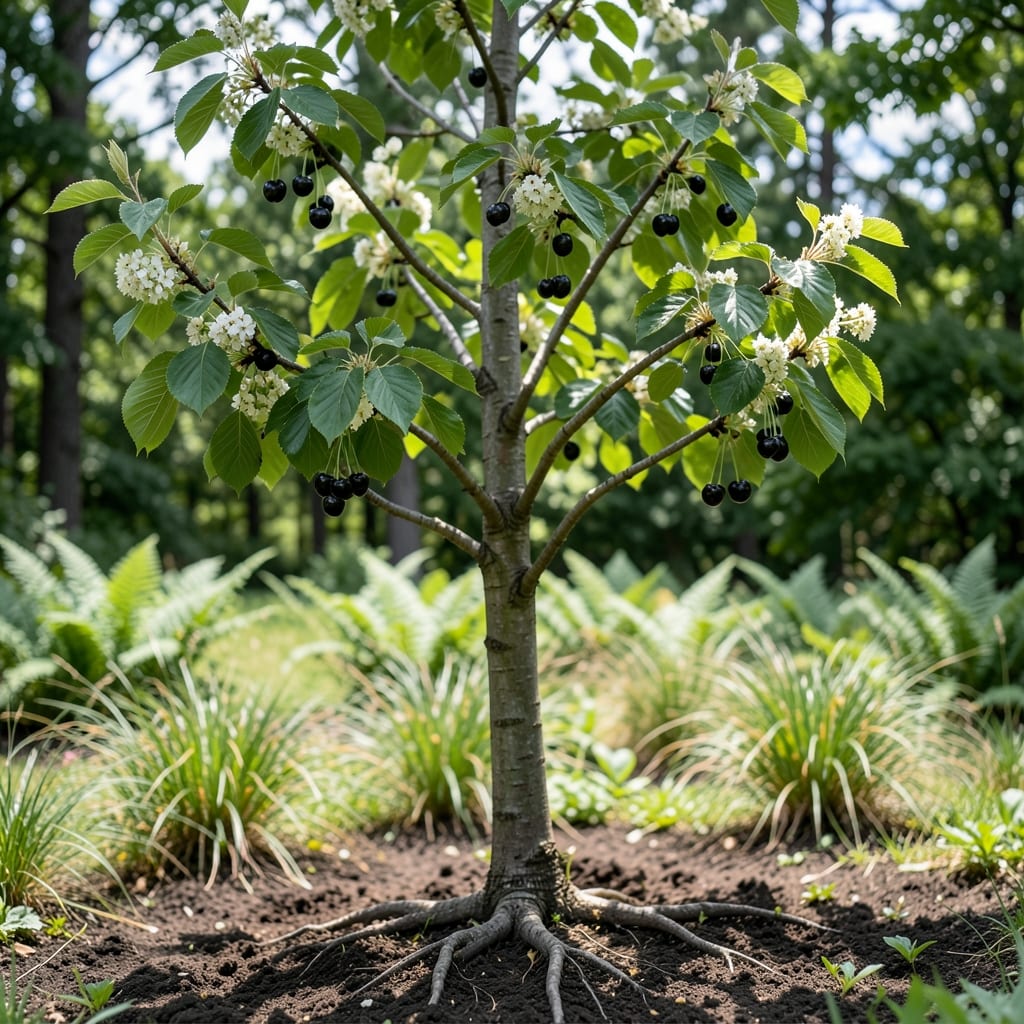
If you've ever wondered how tall do black cherry trees grow, you're not alone—this stunning 🌳 can transform your landscape, but its height varies dramatically depending on the variety. Some tower over 60 feet, while others stay manageable for smaller yards, making the right choice crucial for your space.
Black cherry trees (Prunus serotina) are fast-growing, but their mature size depends on factors like soil quality, sunlight, and pruning habits. In USDA Zone 6a, these trees thrive when planted in late spring, but their growth trajectory can shift based on care.
Whether you're dreaming of a towering shade provider or a compact fruit-bearing tree, understanding these height ranges helps you plan your garden layout. Let’s break down the fastest-growing varieties and how to keep them at your desired size.
From dwarf options under 25 feet to standard trees reaching 65 feet, we’ll cover everything you need to know—so you can plant with confidence and enjoy years of beauty (and delicious cherries!).


Black cherry tree height ranges: fastest-growing varieties and their mature sizes
Black cherry trees (Prunus serotina) are known for their rapid growth and striking height, but not all varieties reach the same towering stature. The fastest-growing types can add 3 feet per year in ideal conditions, while others grow more slowly. Understanding these height ranges helps you choose the perfect tree for your space—whether you need a shade giant or a compact fruit producer.
For example, the standard black cherry variety often matures between 40-65 feet, making it a stunning focal point for large properties. However, dwarf varieties like 'North Star' stay under 25 feet, perfect for smaller yards or urban gardens. Let’s explore the most popular options and their growth characteristics.
🌱
| Variety | Mature Height (ft) | Growth Rate (ft/year) | Ideal Spacing (ft) |
|---|---|---|---|
| Standard Black Cherry | 40-65 | 2-3 | 30-40 |
| 'North Star' (Dwarf) | 15-25 | 1-2 | 15-20 |
| 'Schubert' (Semi-Dwarf) | 30-40 | 1.5-2.5 | 25-30 |
| 'Meteor' (Columnar) | 20-30 | 1-1.5 | 10-15 |
| 'Black Beauty' | 50-60 | 2-3 | 35-45 |
The standard black cherry varieties dominate landscapes with their impressive height, but their rapid growth means you’ll need ample space. For instance, a 40-foot tree requires at least 30 feet of clearance to avoid overcrowding nearby plants or structures. If you’re working with limited space, the dwarf varieties like 'North Star' are ideal—they stay under 25 feet and grow just 1-2 feet per year, making them perfect for suburban yards or small gardens.
Columnar varieties like 'Meteor' offer a unique solution for tight spaces. These trees grow vertically, reaching 20-30 feet but only spreading 3-5 feet wide, making them ideal for narrow properties or urban planting. Their compact form also reduces the need for frequent pruning, saving you time and effort.
When choosing a variety, consider not just the mature height but also the growth rate. Faster-growing trees like 'Black Beauty' can add 3 feet per year in optimal conditions, while slower varieties like 'Schubert' grow 1.5-2.5 feet per year. This difference affects how quickly your tree will provide shade or fruit, so plan accordingly if you’re eager for results.
Another critical factor is soil quality. Black cherry trees thrive in well-drained, slightly acidic soil (pH 5.0-6.5). Poor soil can stunt growth, so amend with compost or organic matter before planting. Additionally, ensure your tree gets full sun (6+ hours daily) to maximize its growth potential and fruit production.
🌿
If you’re planting near power lines or structures, opt for a dwarf or semi-dwarf variety to avoid future issues. For example, the 'Schubert' variety matures at 30-40 feet, making it a great middle-ground option for medium-sized yards. Always check local regulations on tree height near utilities, as some areas restrict tall trees to prevent hazards.
Finally, remember that pruning plays a key role in managing height. Young trees benefit from structural pruning to encourage a strong framework, while mature trees can be pruned to control size. Avoid heavy pruning in late summer or fall, as this can stimulate new growth that won’t harden off before winter.
Whether you’re aiming for a towering shade tree or a compact fruit producer, choosing the right variety ensures your black cherry tree thrives—and reaches its full potential without overpowering your space. 🌳
How to choose the right black cherry tree height for your yard
Selecting the perfect black cherry tree for your yard isn’t just about aesthetics—it’s about balancing space constraints, sunlight exposure, and long-term growth potential. Since black cherry trees can range from 15 feet (dwarf varieties) to over 60 feet (standard types), your choice directly impacts shade, fruit production, and even property value. Start by measuring your available space and checking local regulations, as some areas restrict tree height near power lines or foundations.
For small yards or urban gardens, dwarf varieties like 'North Star' (15-25 feet) are ideal. These trees grow slowly (1-2 feet per year) and fit neatly into tight spaces, providing shade without overwhelming your landscape. If you have a medium-sized yard (25-40 feet wide), semi-dwarf options like 'Schubert' (30-40 feet) strike a balance—offering ample shade while staying manageable. Always plant these at least 15-20 feet from structures to prevent root conflicts.
🌿
If your yard has ample space (40+ feet wide), standard varieties like 'Black Beauty' (50-60 feet) or the classic black cherry (40-65 feet) will create a dramatic focal point. These trees provide dense shade and abundant fruit but require 30-40 feet of clearance to avoid overcrowding. For narrow properties, consider columnar varieties like 'Meteor' (20-30 feet tall but only 3-5 feet wide)—they grow vertically, making them perfect for tight spaces along fences or driveways.
Soil quality plays a critical role in determining how tall your black cherry tree will grow. These trees thrive in well-drained, slightly acidic soil (pH 5.0-6.5). If your soil is heavy clay or alkaline, amend it with organic matter like compost or peat moss before planting. Poor soil can stunt growth by up to 30%**, so test your soil and adjust as needed. Additionally, ensure your tree gets full sun (6+ hours daily)
🪴 For urban planting, where space is limited, focus on root management. Use root barriers if planting near sidewalks or foundations, and avoid compacting soil during installation. Dwarf varieties are your best bet, but even standard trees can be pruned to control height. Just remember: prune in late winter or early spring to encourage healthy growth without stimulating late-season shoots that won’t harden off before winter. Finally, consider your long-term goals. If you’re planting for shade, prioritize taller varieties with broad canopies. For fruit production, choose varieties known for high yields, like 'Black Beauty,' and ensure they have enough space to develop strong branches. With the right variety and care, your black cherry tree will thrive—whether it’s a towering giant or a compact beauty in your backyard. ✂️