
Trees
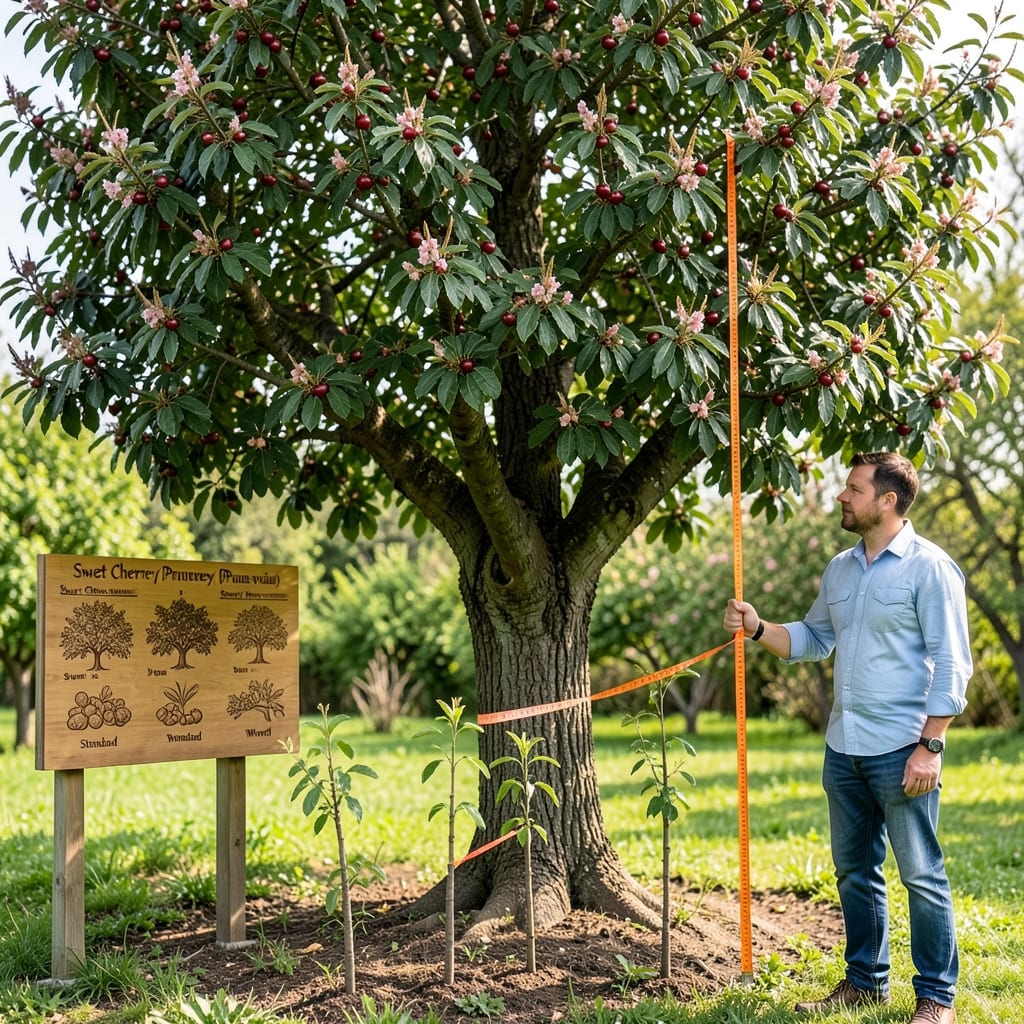
If you’ve ever dreamed of a backyard canopy of sweet-smelling blossoms or a tree heavy with juicy 🍒 cherries, understanding how tall cherry trees grow is your first step to planning the perfect spot. These trees aren’t just stunning—they’re also surprisingly versatile, ranging from compact dwarfs perfect for small yards to towering giants that need room to stretch their branches skyward.
The right variety can transform your landscape, but choosing blindly might leave you with a tree that outgrows its space—or worse, struggles to thrive. Whether you’re after a 10-foot ornamental showstopper or a 40-foot fruit-bearing giant, knowing the growth habits of different species is the key to happy gardening.
In this guide, I’ll break down the height ranges of popular cherry trees, from the slow-growing dwarfs to the rapidly climbing standard varieties**, so you can pick the perfect fit for your garden’s vision. Plus, I’ll share pruning secrets to keep even the tallest trees in check—because sometimes, a little guidance goes a long way.
Ready to turn your backyard into a cherry tree paradise? Let’s dive into the heights, growth rates, and care tips that will help you plant with confidence—and enjoy the rewards for years to come.


Cherry tree height by species: from dwarf to giant varieties
When planning your landscape, the mature height of a cherry tree is one of the most critical factors. Some varieties stay compact enough for small yards, while others reach heights that rival skyscrapers. The Yoshino cherry, for example, typically grows to 25-35 feet tall, making it a stunning ornamental choice for medium-sized gardens. Meanwhile, the Black Tartarian cherry can soar to 30-40 feet, perfect for large estates or park settings.
If you have limited space, dwarf cherry trees like the St. Peters cherry (10-15 feet) or Kwanzan cherry (15-20 feet) are ideal. These varieties offer all the beauty of their taller counterparts but require far less room. Even their growth rates are slower, allowing you to enjoy their blossoms and fruit without worrying about them outgrowing their space in just a few years.
For fruit-bearing varieties, the Bing cherry and Rainier cherry both reach 20-30 feet, while the Montmorency sour cherry stays slightly shorter at 15-25 feet. These heights are perfect for home orchards where you want to harvest fruit without needing a ladder for every branch.
🌱
Ornamental cherry trees like the Yoshino
Pruning limits and height control: how to manage cherry tree growth
Pruning isn’t just about shaping your cherry tree—it’s the secret weapon for controlling its height and spread. Whether you’ve planted a dwarf variety that needs careful maintenance or a standard cherry tree reaching for the sky, understanding pruning limits is essential. The wrong cuts can stunt growth, while strategic pruning can encourage a tree to reach its full potential—or keep it compact for small spaces.
Timing is everything when it comes to pruning cherry trees. For most varieties, the best time to prune is late winter or early spring, just before new growth begins. This ensures your cuts promote healthy springtime regrowth without inviting pests or diseases. Avoid pruning in fall, as it can leave wounds vulnerable to infection before the tree enters dormancy.
Now, let’s talk tools. You’ll need sharp bypass pruners for smaller branches and a pruning saw for thicker limbs. Always sterilize your tools with rubbing alcohol to prevent spreading disease between cuts. And remember: never remove more than 25% of the tree’s canopy in a single year—this can stress the tree and reduce fruit production.
- Over-pruning: Removing too much foliage weakens the tree and reduces fruit yield.
- Pruning at wrong time: Late summer/fall cuts invite fungal infections and pests.
- Improper cuts: Leaving stubs or tearing bark slows healing and invites disease.
- Ignoring species needs: Some cherries (like sweet cherries) need different pruning than sour cherries.
For dwarf cherry trees, focus on light pruning to maintain shape and encourage bushiness. These varieties grow slowly, so you’ll mostly be removing dead wood and shaping branches to prevent crowding. In contrast, standard varieties need more aggressive pruning to control height—aim to remove 1-2 feet of growth annually if you’re targeting a specific height limit.
One technique I swear by is the open-center pruning method, which works wonders for fruit-bearing varieties. By removing suckers and water sprouts from the center, you improve airflow and sunlight penetration, which boosts fruit production. Just be sure to never top a cherry tree—this can lead to weak, brittle wood and poor fruit quality.
If you’re dealing with a tall cherry tree that’s already outgrown its space, don’t despair. You can gradually lower its height by pruning the leader (central stem) and encouraging lateral branches to take over. Just remember: never reduce height by more than 1 foot per year—this gives the tree time to recover and avoid shock. With patience and the right techniques, even the tallest cherry tree can be managed to fit your landscape perfectly.