
Trees
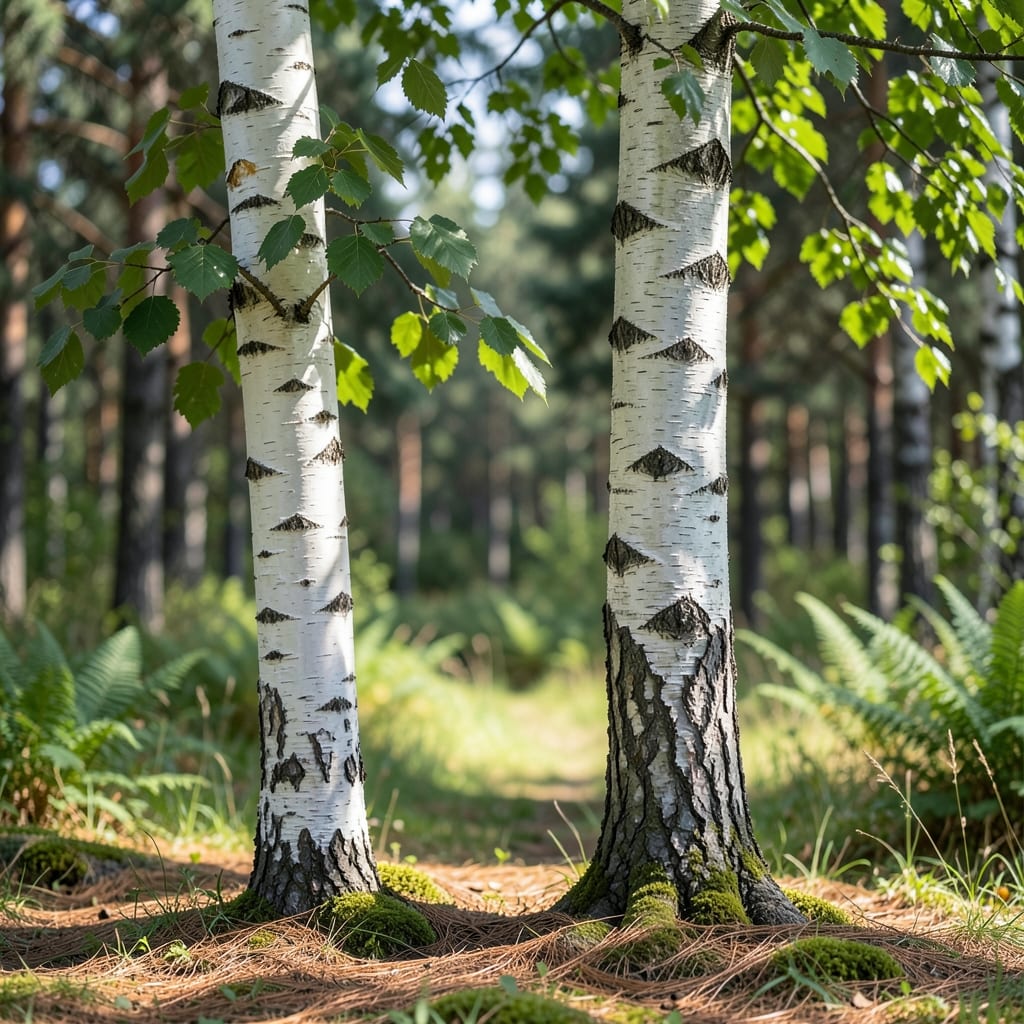
Wondering how tall can birch trees grow before they reach their stunning, towering potential? These elegant 🌳 trees can become true giants—some varieties stretching over 70 feet tall—while others stay compact enough for smaller yards.
If you're planning your landscape, knowing these heights helps you pick the perfect fit for your space. Whether you dream of a whisper-thin Paper Birch swaying near your patio or a stately River Birch anchoring your backyard, each species brings its own height story to tell.
The key to their growth lies in their environment—sunlight, soil quality, and even your local climate can push them toward their maximum potential or keep them more manageable. With the right care, you can encourage the height you want while keeping your garden balanced.
Let's break down the tallest varieties, how growth zones play a role, and simple tips to guide their height—so you can make the most of your 🌳 birch tree investment.

Birch tree height by species: tallest varieties and their mature sizes
Birch trees are famous for their graceful, slender trunks and delicate foliage, but their mature heights can vary dramatically depending on the species. If you're planning your landscape, knowing these heights helps you choose the perfect fit for your space—whether you want a towering shade provider or a compact ornamental tree.
The tallest birch species can reach heights of 70 to 80 feet under ideal conditions, while dwarf varieties stay under 25 feet. Each species has its own growth story, shaped by genetics, climate, and care. Let’s explore the most common varieties and their mature heights to help you make an informed decision.
🌱
| Species | Mature Height (ft) | Growth Rate | Best For |
|---|---|---|---|
| Paper Birch | 50-70 ft | Moderate | Shade, ornamental |
| Yellow Birch | 60-80 ft | Slow to moderate | Woodland gardens |
| River Birch | 40-60 ft | Moderate | Wet soils, erosion control |
| Dwarf Birch | 15-25 ft | Slow | Small gardens, containers |
| White Birch | 40-50 ft | Moderate | Urban landscapes |
For those with limited space, dwarf birch varieties are an excellent choice. These compact trees stay under 25 feet tall, making them perfect for small yards or even large containers. Their slower growth rate also means they require less maintenance, which is ideal for busy gardeners.
The Paper Birch and Yellow Birch are among the tallest species, often reaching heights of 60 to 80 feet. If you're looking for a dramatic focal point in your landscape, these varieties will deliver stunning vertical interest. However, their size means they need plenty of space to grow without crowding other plants.
If you're planting near a water feature or wet soil area, the River Birch is a fantastic choice. This species thrives in moist conditions and typically grows to 40 to 60 feet tall. Its peeling bark adds visual interest, making it a standout in any garden.
When choosing a birch tree, consider not only its mature height but also its spread and growth rate. Some species, like the Yellow Birch, grow more slowly, while others, like the Paper Birch, can shoot up quickly in the right conditions. Always check local regulations, as some areas restrict tree heights for safety reasons.
🌳
How growth zones affect birch tree height: USDA zones and climate considerations
Did you know your USDA hardiness zone can dramatically influence how tall your birch tree grows? These graceful trees thrive in zones 3 through 8, but their mature heights vary significantly based on climate conditions. Understanding these variations helps you select the right species for your region and maximize your tree's potential.
In colder zones (3-5), birch trees often grow more slowly but can still reach impressive heights of 50 to 70 feet with proper care. The Paper Birch and Yellow Birch are particularly well-suited to these regions, where their cold resistance helps them thrive even in harsh winters. Their growth may be more vertical in these climates, creating those iconic towering forms we all love.
🌱
In temperate zones (6-7), birch trees often reach their maximum potential, with some varieties like the Yellow Birch growing up to 80 feet tall. These regions provide the perfect balance of cool summers and cold winters that birch trees love. The River Birch also performs exceptionally well here, especially in areas with moist soil.
However, in warmer zones (8), birch trees may grow more slowly and reach slightly shorter mature heights of 40 to 60 feet. The heat can stress these trees, particularly in the summer months. If you're in a warmer climate, consider planting your birch in a location with afternoon shade or near a water feature to help it thrive.
Another critical factor is drought tolerance. While birch trees are generally adaptable, prolonged drought can stunt their growth. In arid regions within zones 6-8, you may need to provide additional deep watering during dry spells to encourage healthy height development. Mulching around the base can also help retain moisture and support taller growth.
🌿