
Trees
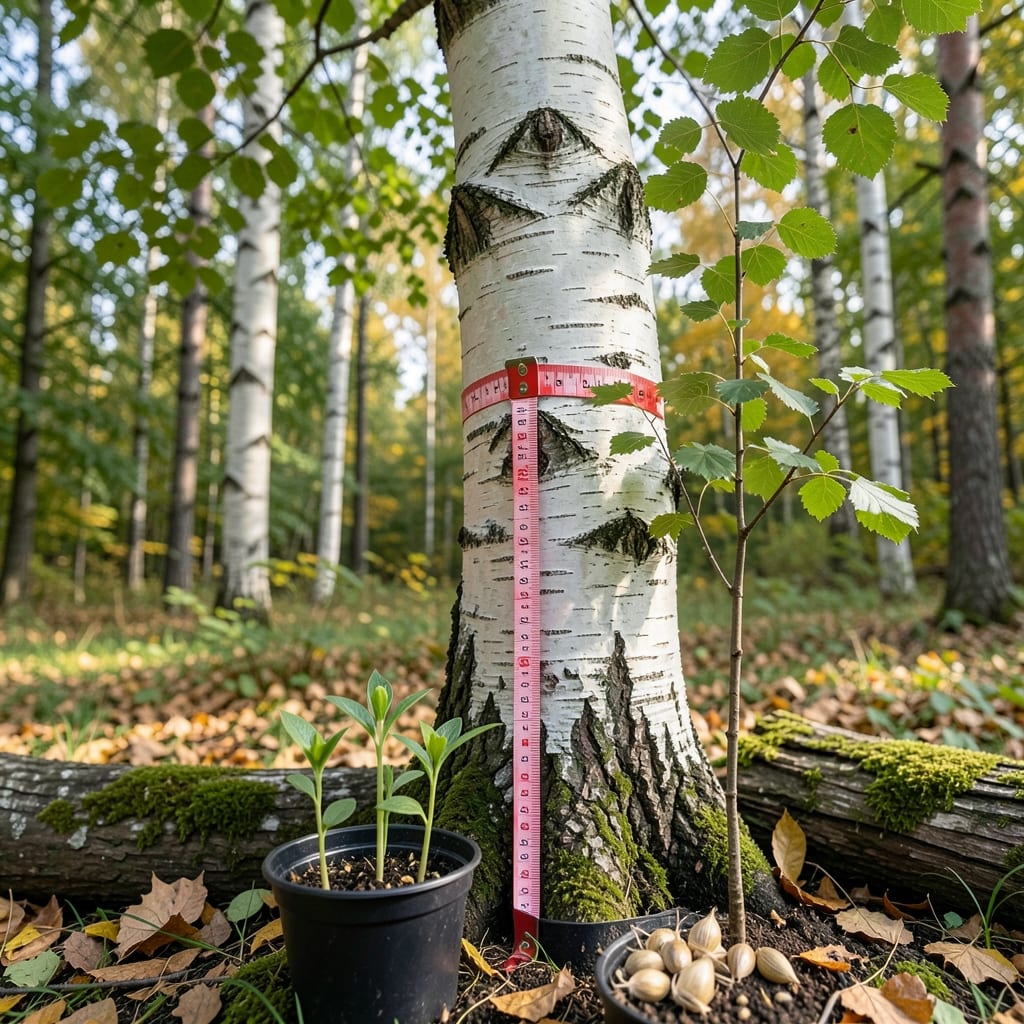
If you’ve ever wondered how tall can a birch tree grow, the answer might surprise you—some varieties shoot up like natural skyscrapers, while others stay perfectly sized for cozy backyards. The Paper Birch 🌳, for example, can reach 60 to 80 feet in ideal conditions, making it a stunning focal point, but dwarf varieties like the ‘Fastigiata’ stay under 25 feet—perfect for smaller spaces.
What makes this even more fascinating is how quickly these trees grow. In just 10 years, a healthy birch can tower 40 feet tall, thanks to their rapid growth rates. But their height isn’t just about genetics—soil quality, sunlight, and even your local climate play a huge role in whether your birch becomes a towering giant or a modest neighbor.
Whether you’re dreaming of a shady canopy or a compact accent tree, choosing the right variety is key. I’ll break down the fastest-growing species, how to encourage maximum height (or keep them manageable), and practical tips to ensure your birch thrives—no matter where you plant it.
Ready to transform your yard with a fast-growing, easy-care tree? Let’s dive into the heights, growth secrets, and everything you need to know to pick the perfect birch for your space.

Birch tree height by species: from dwarf varieties to towering giants
Birch trees come in an incredible range of sizes, from dwarf varieties perfect for small gardens to towering giants that dominate landscapes. The Paper Birch (Betula papyrifera) often leads the height charts, reaching 60 to 80 feet in ideal conditions—imagine that against your two-story home! Meanwhile, dwarf birches like the ‘Fastigiata’ stay a modest 15 to 25 feet, making them ideal for urban spaces.
What’s fascinating is how genetics and environment shape these differences. A River Birch (Betula nigra), for example, typically grows 40 to 70 feet but thrives in wetter soils, while the Yellow Birch (Betula alleghaniensis) can hit 70 to 90 feet in the wild. Even within a single species, local climate plays a huge role—cooler regions often yield shorter trees, while warmer climates encourage faster, taller growth.
Here’s a quick visual comparison to help you visualize these heights—because nothing beats seeing a birch’s mature size next to everyday objects like a house or basketball hoop!
| Species | Mature Height (ft) | Height Comparison | Best For |
|---|---|---|---|
| Paper Birch (Betula papyrifera) | 60–80 ft | Taller than a 3-story building | Large yards, focal points |
| River Birch (Betula nigra) | 40–70 ft | Taller than a basketball hoop | Wet soils, erosion control |
| Yellow Birch (Betula alleghaniensis) | 70–90 ft | Taller than a redwood deck | Forests, large estates |
| Dwarf Birch (Betula pendula ‘Fastigiata’) | 15–25 ft | Taller than a garage door | Small yards, containers |
| Cherry Birch (Betula japonica) | 30–40 ft | Taller than a minivan | Ornamental gardens |
| Heritage Birch (Betula cylindrica) | 40–50 ft | Taller than a pickup truck | Native landscapes |
The Paper Birch and Yellow Birch are the undisputed height champions, but don’t overlook ornamental varieties like the ‘Royal Frost’ or ‘Whitespire’, which offer stunning bark and compact growth—perfect for small-space gardening. If you’re planting near power lines or sidewalks, dwarf or semi-dwarf varieties are your best bet to avoid future headaches.
One surprising fact? Birch trees grow fastest in their first 10 years, with some varieties adding 2 to 3 feet annually. That means a 10-foot sapling could become a 30-foot tree in just a decade—so choose your location wisely! For example, a River Birch planted near a pond will spread its roots wide, but its height might max out at 50 feet if space is limited.
For urban gardeners, the ‘Fastigiata’ or ‘Griffith’ varieties are game-changers—they grow upright like columnar trees, staying narrow while still reaching 20 to 30 feet. These are ideal for narrow lots or as privacy screens along fences. Just ensure they get full sun to reach their potential height.
If you’re dreaming of a shady canopy or a statement tree, the Paper Birch or Yellow Birch will deliver dramatic results. But if your space is limited, dwarf varieties still offer the same elegant bark and delicate leaves—just on a smaller scale. The key is matching the species to your space and climate for the best growth.
Pro tip: Always check your local climate zone before planting. A Yellow Birch might struggle in hot, dry regions, while a River Birch thrives in humid, wet areas. Soil drainage is another critical factor—birches hate soggy roots, so amend heavy clay with compost or sand to encourage healthy growth.
Fastest-growing birch trees: which varieties reach maximum height quickest?
If you’re dreaming of a quick-shade solution or a dramatic backyard centerpiece, some birch varieties grow at lightning speed. The Paper Birch (Betula papyrifera) leads the pack, adding 2 to 3 feet annually in ideal conditions—meaning a 10-foot sapling could hit 30 feet in just 10 years! This makes it one of the fastest-growing hardwood trees in North America, perfect for those who want instant height impact without decades of waiting.
But speed isn’t just about the Paper Birch. The River Birch (Betula nigra) isn’t far behind, growing 1.5 to 2.5 feet per year, especially in moist, well-drained soils. Its peeling bark adds visual interest, while its rapid growth makes it a favorite for erosion control along streams or ponds. For urban gardeners with limited space, the ‘Fastigiata’ variety grows 1 to 2 feet annually but stays narrow—ideal for columnar designs.
Here’s how these top varieties stack up in growth speed, so you can pick the perfect fast-growing birch for your goals:
The Paper Birch isn’t just fast—it’s also drought-tolerant once established, making it a low-maintenance choice for xeric landscapes. However, its rapid growth means it’ll need regular pruning to shape it early, or risk a wild, unruly shape later. For wet climates, the River Birch is unbeatable—its roots thrive in boggy soils, and its peeling bark adds year-round interest.
But here’s the catch: growth speed slows dramatically after 10 years. A Paper Birch might add only 1 foot annually once it hits maturity, while younger trees shoot up like rocket fuel. This is why timing matters—plant in early spring (March–April) to give roots a full growing season before winter dormancy. Avoid planting in late summer or fall, as new roots won’t establish before cold weather sets in.
If you’re in a warmer climate (Zone 7+), growth rates can accelerate by 30%, but birches struggle in hot, dry regions like the Southwest. Instead, opt for shade-tolerant varieties like the Cherry Birch (Betula japonica), which grows 1 to 1.5 feet annually but handles partial shade better than most. For cold climates (Zone 3–5), the Heritage Birch (Betula cylindrica) is a hardy pick, growing 1.5 to 2 feet per year while tolerating freezing temps with ease.
Want to boost growth even faster? Focus on soil prep—birches hate compacted or waterlogged soil. Amend clay with sand or compost, and mulch with wood chips to retain moisture. A well-fed birch in full sun will outpace one struggling in poor soil or shade by 50% or more. With the right conditions, your fast-growing birch could become a backyard giant in no time!