
Trees
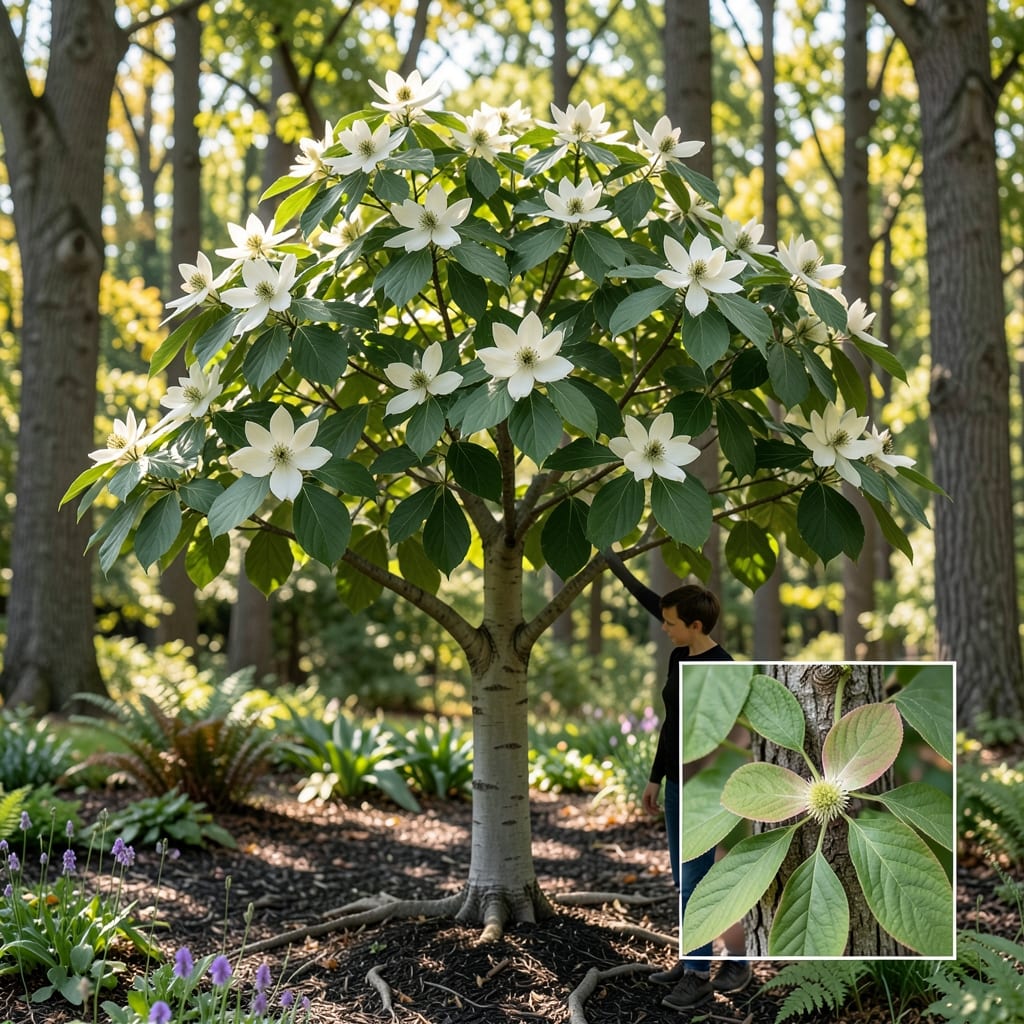
If you're wondering how tall can a dogwood tree grow, the answer depends on the variety you choose—because some stay small enough for cozy gardens while others become towering shade giants. The classic flowering dogwood (Cornus florida) typically reaches 15–30 feet at maturity, but dwarf varieties like 'Taylor' or 'Cherokee Brave' cap out around 8–12 feet, perfect for urban yards.
What makes this even more exciting is how easily you can shape their growth. Whether you're aiming for a privacy screen or a focal point in your landscape, pruning at the right time can keep your dogwood 🌳 at your desired height. The key is understanding each species' natural tendencies—like the Pacific dogwood's tendency to grow taller or Cornus kousa's more compact form.
For beginners, this means no more guessing whether a dogwood will fit your space. You'll learn which varieties thrive in small gardens versus those that need room to stretch their branches wide. Plus, I’ll share my top pruning secrets to encourage bushier growth without sacrificing those stunning spring blooms.
Ready to pick the perfect dogwood for your yard? Let’s dive into the varieties, growth habits, and pruning tips that will help you create the landscape you love—whether you want a tall shade tree or a charming small tree for your patio.

Dogwood tree height by variety: from dwarf to giant species
Dogwood trees are prized for their showy spring blooms and vibrant fall foliage, but their mature height can range from compact shrubs to towering giants. The flowering dogwood (Cornus florida), the most common variety, typically reaches 20–30 feet tall at maturity, making it ideal for large yards or as a specimen shade tree. However, some dwarf cultivars stay under 10 feet, perfect for small gardens or container growing.
If you're planning your landscape, knowing the expected height of each variety helps you choose the right dogwood for your space. For example, the Pacific dogwood (Cornus nuttallii) can grow even taller—up to 40 feet—while Cornus kousa (Kousa dogwood) usually maxes out around 25 feet. Let’s compare the most popular varieties so you can pick the perfect fit for your yard.
🌱 Visual Reference: A 20-foot dogwood is roughly the height of a two-story house, while a 10-foot dwarf is about the size of a small car. This comparison helps visualize spacing needs before planting.
| Variety | Mature Height | Spread | Best For |
|---|---|---|---|
| Flowering Dogwood (Cornus florida) | 20–30 ft | 15–25 ft | Large yards, shade trees |
| Pacific Dogwood (Cornus nuttallii) | 30–40 ft | 20–30 ft | Mature landscapes, statement trees |
| Kousa Dogwood (Cornus kousa) | 20–25 ft | 15–20 ft | Urban gardens, smaller yards |
| Dwarf Varieties (e.g., 'Rutledgem' or 'Cherokee Brave') | 8–12 ft | 6–10 ft | Containers, small gardens, patios |
| 'Stellar Pink' or 'Celestial' (Hybrid) | 15–20 ft | 12–15 ft | Medium yards, mixed borders |
Note: Heights can vary based on soil quality, sunlight exposure, and pruning habits.
The flowering dogwood is the most popular choice for homeowners because of its compact yet impressive size and abundant blooms. However, if you have limited space, dwarf varieties like 'Rutledgem' or 'Cherokee Brave' are excellent alternatives. These stay under 12 feet tall and thrive in containers, making them perfect for patios or small front yards.
For those with larger properties, the Pacific dogwood offers dramatic height and larger blooms, but it requires more space to grow without crowding other plants. Always measure your yard and consider mature spread—some dogwoods can grow as wide as they are tall, so plan accordingly.
Another factor to consider is growth rate. Most dogwoods grow about 1–2 feet per year, but dwarf varieties may grow only 6–12 inches annually. This slower growth makes them easier to manage in smaller spaces, while faster-growing varieties like the Pacific dogwood can quickly reach their full height.
If you're unsure which variety to choose, start with the flowering dogwood for a balance of size and beauty. For urban gardens or small yards, opt for a dwarf cultivar. Always check the USDA hardiness zone for your area—most dogwoods thrive in zones 5–9, but some varieties have specific preferences.
Pro tip: When planting, give your dogwood ample root space. Dig a hole twice as wide as the root ball but no deeper. This encourages strong root growth and helps the tree reach its potential height without stress.
Now that you know the height ranges, let’s explore how to control dogwood growth with pruning—because even the tallest varieties can be shaped to fit your vision! 🪴
Pruning secrets to control dogwood tree height and shape
Pruning isn’t just about trimming back overgrowth—it’s the secret weapon for shaping your dogwood’s height and encouraging those showy spring blooms. The best time to prune is late winter or early spring, right before new growth begins. This timing ensures you don’t accidentally cut off next year’s flower buds, which form on old wood.
For taller varieties like the Pacific dogwood, focus on removing dead or crossing branches first. These can stunt growth and create weak spots. Use clean, sharp pruners to make cuts just outside the branch collar—the raised area where the branch meets the trunk. This promotes faster healing and healthier regrowth.
Want a bushier dogwood? Try selective pruning of the upper branches to encourage lower branches to thicken. This works especially well for dwarf varieties like 'Taylor,’ where you’ll want to maintain a rounded shape. Just avoid cutting more than 25% of the canopy in one season to prevent stress.
- 🔹 Step 1: Remove dead or diseased branches first—these can spread problems to healthy wood.
- 🔹 Step 2: Prune crossing branches to improve airflow and reduce disease risk.
- 🔹 Step 3: Shape the tree by cutting backward-growing branches to maintain an open center.
- 🔹 Step 4: For height control, trim the topmost branches to encourage bushier growth.
- 🔹 Step 5: Clean tools with rubbing alcohol between cuts to prevent bacterial spread.
If your dogwood is too tall for its space, you can gradually reduce height by pruning the topmost branches over several years. Aim to cut back no more than 1/3 of the height at a time to avoid shocking the tree. For example, if your Pacific dogwood is 25 feet tall but you want it at 18 feet, spread the pruning over 3–4 years.
For young dogwoods, focus on structural pruning to establish a strong framework. Remove weak or narrow branches early to prevent future issues. This is especially important for standard varieties like 'Cherokee Princess,' which can grow 20–30 feet if left unchecked. A little effort now saves headaches later!
Remember, pruning encourages new growth, so don’t be afraid to get hands-on. With the right techniques, you can keep your dogwood at the perfect height—whether you’re aiming for a small patio tree or a towering shade provider. Just stay consistent, and your tree will thank you with vibrant blooms and a healthy shape for years to come. 🌸