
Companion Plants
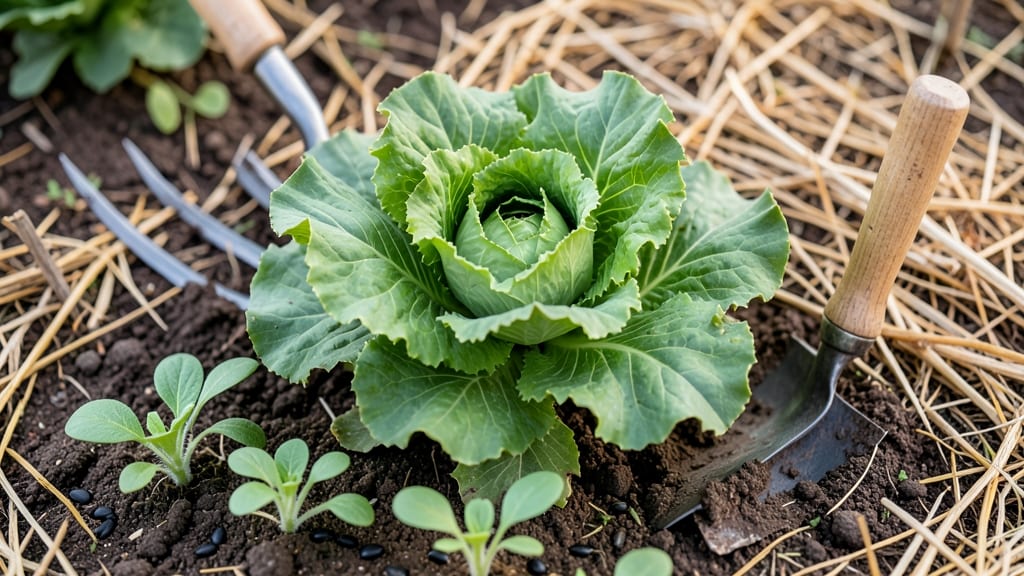
Knowing exactly when to plant lettuce in Zone 7 can mean the difference between crisp, tender 🥬 and bitter, bolted disappointment. The key? Timing your seeds 4-6 weeks before your last frost date—typically early March through April—to avoid the heat that triggers bolting.
Zone 7’s warm snaps can turn your patient lettuce into a stubborn stalk overnight, but with the right strategy, you’ll enjoy fresh harvests from spring through fall. Whether you’re a first-time gardener or a seasoned grower, mastering these planting windows ensures you’ll have salad greens when you need them most.
We’ll break down the perfect weeks before frost for both spring and fall plantings, plus how to extend your season with shade cloth and succession planting. No more guessing—just reliable, bolting-free lettuce that’s ready to harvest in 6-8 weeks.
Ready to grow lettuce that actually stays crisp? Let’s dive into the exact dates, soil prep, and troubleshooting tips that’ll make your Zone 7 garden thrive.
Zone 7 lettuce planting calendar: exact weeks before last frost to avoid bolting
In Zone 7, timing lettuce planting right can mean the difference between crisp, tender leaves and bitter bolting. The last average frost date typically falls around April 15, but your exact window depends on microclimates.
For example, cooler valleys may have frost until April 25, while urban heat islands might see frost as early as April 5.
To avoid bolting, plant leaf lettuce varieties like Black Seeded Simpson or Buttercrunch 4-6 weeks before last frost (mid-February to early March). Head lettuce, such as Romaine or Iceberg, needs 6-8 weeks to mature, so start seeds indoors 8-10 weeks before last frost (late January to early February).
For fall harvests, aim to plant 6-8 weeks before first frost (around September 15). Heat-tolerant varieties like Jericho or Simpson Elite can handle summer heat better, extending your window into late August.
📅 Zone 7 Lettuce Planting Timeline
| Season | Planting Window | Best Varieties | Bolting Risk |
|---|---|---|---|
| Spring | Mid-February to early March | Black Seeded Simpson, Buttercrunch | Low (cool temps) |
| Spring (Head Lettuce) | Late January to early February (indoors) | Romaine, Iceberg | Moderate (needs consistent temps) |
| Fall | Late August to mid-September | Jericho, Simpson Elite | High (warm snaps) |
| Late Fall | Late September to early October | Winter Density, Arctic King | Low (cooling temps) |
Use your local frost dates as a guide—check resources like the Almanac’s Frost Calculator for your specific city. For example, Raleigh, NC averages last frost on April 1, while Lexington, KY holds off until April 15.
Adjust your planting schedule accordingly to avoid heat stress or late frosts.
For succession planting, sow new seeds every 2-3 weeks after your initial planting. This ensures a continuous harvest and reduces the risk of bolting from heat. Use shade cloth (30-50%) in summer to protect seedlings from intense sunlight, which can trigger bolting even before maturity.
Monitor soil temperatures—lettuce thrives when soil stays between 40°F and 75°F. Use a soil thermometer to check before planting. If temps rise above 80°F, even heat-tolerant varieties will bolt prematurely. Mulch with straw or grass clippings to keep roots cool and moist.
In Zone 7b, where winters are slightly milder, you can even try a winter harvest with cold-hardy varieties like Winter Density. Plant these in late September for harvests in November and December, when daytime temps drop below 70°F.
Pro tip: Mark your planting dates on a calendar and track bolt-free days for each variety. Over time, you’ll fine-tune your schedule to match your Zone 7 microclimate. Start with leaf lettuce—it’s more forgiving and bolts slower than head varieties.
Remember, consistency is key. Lettuce bolts when it senses heat stress or drought, so prioritize even moisture and partial shade during hot afternoons. With the right timing, you’ll enjoy crisp, tender lettuce for months—no bitter stalks in sight!
How to extend lettuce season in Zone 7: shade cloth, succession planting, and cold frames
Zone 7’s hot summer temperatures (often exceeding 85°F) can turn your lettuce into bitter, bolted stalks faster than you can say "salad." But with the right strategies, you can extend harvests into late spring and early fall—even during heatwaves.
The key? Shade cloth, succession planting, and protective covers to shield tender seedlings.
I’ve grown lettuce in Zone 7 for 5+ years, and the difference between a 30% shade cloth and a 50% one is night-and-day.
A lighter cloth lets more light through but offers less heat protection, while a denser cloth keeps soil temps cooler but may slow growth. Test both in your garden to see what works best for your microclimate.
Here’s my battle-tested plan to push lettuce harvests beyond the traditional spring window:
- Romaine (e.g., Parris Island) tolerates 75°F+ soil temps better than Iceberg or Butterhead.
- Leaf lettuce (e.g., Black Seeded Simpson) bolts slower than head lettuce in heat.
- Sow seeds every 2-3 weeks from March to June for staggered harvests.
- Install 30% shade cloth when daytime temps hit 80°F+ to reduce soil heat.
- Upgrade to 50% cloth during heatwaves (>90°F) to prevent bolting.
- Remove cloth in late afternoon to allow 4-6 hours of sunlight for growth.
- Use floating row covers over young plants to shield from late frosts (<32°F) in spring.
- Secure covers with bricks or clips to prevent wind damage.
- Remove covers during daytime for pollination (if growing for seed).
- Sow seeds in late July to early August for fall harvests.
- Use cold frames to extend harvests 2-3 weeks past first frost (Zone 7’s Oct 15).
- Choose winter-hardy varieties like Winter Density or Arctic King for cold snaps.
For succession planting, I swear by the "every 14 days" rule: If you plant 10 seeds every 2 weeks from March to June, you’ll have continuous harvests until July. This works because young lettuce (under 4 weeks old) can handle warmer soil temps better than mature plants.
Pro tip: Mulch heavily with straw or grass clippings to keep soil temps 10°F cooler than ambient air. I’ve seen soil temps drop from 95°F to 80°F in just 2 hours with a 4-inch mulch layer. This is a game-changer for preventing bolting.
Remember, lettuce is a cool-season crop, but with these tricks, you can trick it into growing almost year-round in Zone 7. Start small—try one shade cloth and one succession batch—then scale up as you master the timing. Your crisp, bolting-free lettuce will thank you at harvest time! 🥬