
Companion Plants
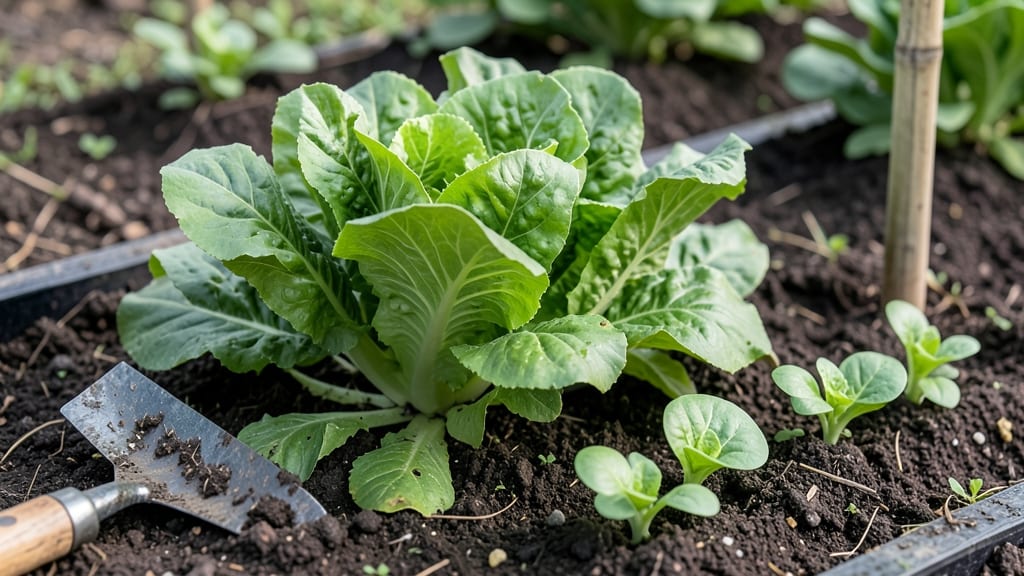
Zone 6 lettuce planting calendar: exact weeks to sow, transplant & harvest
If you've ever planted lettuce in Zone 6 only to watch it bolt into bitter, seed-filled disappointment, you're not alone. The key to crisp, sweet lettuce lies in precise timing—plant too early, and frost ruins your crop; too late, and summer heat triggers bolting.
My exact week-by-week calendar below shows you the perfect windows for both spring and fall harvests, including heat-tolerant varieties and succession planting tricks.
Zone 6 has a 165-day frost-free season (typically April 15 to October 15), giving us two prime lettuce planting opportunities: early spring (March-April) and late summer/fall (August-September). The secret?
Start seeds indoors 4-6 weeks before your last frost date (around March 15) or sow directly when soil temps hit 40°F. For fall, aim to plant by mid-August to harvest before frost.
Here's the visual breakdown of your Zone 6 lettuce planting timeline, including ideal varieties, soil temps, and harvest windows:
| Planting Window | Action | Soil Temp (°F) | Varieties | Harvest Window |
|---|---|---|---|---|
| Late February - Early March | Start indoors (4-6 weeks before last frost) | 40-50°F | 'Winter Density', 'Arctic King' | May-June |
| Mid-March - Early April | Direct sow or transplant | 40-60°F | 'Romaine', 'Buttercrunch' | May-June |
| Mid-August - Early September | Direct sow for fall harvest | 50-65°F | 'Black Seeded Simpson', 'Salad Bowl' | September-October |
| Late September | Succession sow (cold-hardy types) | 40-50°F | 'Winter Density', 'Parris Island' | October-November |
For spring lettuce, I recommend starting seeds indoors around March 1-15 (4-6 weeks before your last frost) for transplanting. If you prefer direct sowing, wait until mid-April when soil temperatures consistently stay above 40°F.
In my garden, I've found that 'Arctic King' and 'Winter Density' handle early spring cold best, while 'Romaine' and 'Buttercrunch' thrive in cooler spring conditions.
Zone 6's summer heat (often exceeding 85°F) is lettuce's worst enemy. To avoid bolting, I plant heat-tolerant varieties like 'Black Seeded Simpson' in late August and use 30% shade cloth during peak afternoon sun. For fall harvests, succession plant every 2-3 weeks until mid-September to extend your harvest window.
One common mistake I see is planting lettuce too close to summer's arrival. Lettuce bolts when soil temps exceed 75°F for prolonged periods. My solution? I treat lettuce as a cool-season crop and never plant it during June, July, or early August.
Instead, I focus on fast-maturing varieties (30-40 days to harvest) for late summer sowings.
Remember that succession planting is your best friend in Zone 6. Instead of one big planting, I sow lettuce every 2 weeks from March through September. This ensures a continuous harvest and prevents overcrowding.
For example, I'll plant 10 seeds every 2 weeks in a 4' x 4' bed, thinning to 12" apart when seedlings emerge.
Finally, don't overlook fall lettuce in Zone 6. After your first frost (around October 15), soil temps drop, making conditions perfect for lettuce. I often plant 'Winter Density' in late September for harvests through November.
The key is choosing varieties labeled "winter-hardy" and protecting them with row covers during cold snaps.
With this precise timing, you'll enjoy crisp, sweet lettuce from May through November—no more bitter surprises! The secret is treating lettuce as a seasonal crop with two distinct planting windows: spring and fall, while avoiding summer's heat entirely.
How to avoid bolting: 5 critical factors for zero-bitterness lettuce in Zone 6 heat
Lettuce bolting—when it prematurely sends up a flower stalk—turns crisp leaves bitter and ruins your harvest. In Zone 6, heat stress and long daylight hours trigger bolting faster than in cooler zones.
The good news? With these 5 science-backed strategies, you can keep your lettuce sweet and tender all season long.
First, choose heat-tolerant varieties like 'Black Seeded Simpson' or 'Jericho'. These varieties handle warmer soil temperatures (up to 80°F) better than standard lettuce. For extra protection, plant in partial shade using shade cloth (30-50%) during peak afternoon sun—this can delay bolting by 2-3 weeks in Zone 6’s summer heat.
Soil temperature is your #1 enemy. Lettuce bolts when soil temps hit 70°F+. Use a soil thermometer to monitor—if it’s creeping up, mulch heavily with straw or compost to keep roots cool. Avoid planting in black plastic mulch, which can raise soil temps by 10-15°F and accelerate bolting.
- Plant in partial shade (30-50%)
- Use heat-tolerant varieties (e.g., 'Romaine', 'Buttercrunch')
- Water deeply in morning (1/2 inch daily)
- Harvest outer leaves first to slow maturity
- Mulch with straw to cool soil
- Plant in full sun (bolting risk ↑)
- Use heat-sensitive varieties (e.g., 'Iceberg')
- Water at night (fungus risk ↑)
- Let plants bolt (bitterness ↑)
- Skip succession planting (gaps in harvest)
Watering technique matters just as much as timing.
Lettuce needs consistent moisture—let the soil dry out even slightly, and roots send out signals to bolt. Water deeply in the morning (1/2 inch per week) and avoid wetting leaves to prevent fungal diseases like downy mildew, which weakens plants and makes them more susceptible to bolting.
For late-summer plantings, try succession sowing every 2 weeks from mid-August to early September. This ensures a steady harvest before the first frost (around October 15 in Zone 6).
Use row covers at night to protect young seedlings from temperature swings, which can stress plants and trigger bolting.
Finally, harvest strategically. Cut outer leaves when they reach 2-4 inches—this encourages regrowth and delays bolting by 10-14 days. If your lettuce starts tasting bitter, pull and compost it immediately to avoid spreading bitterness to neighboring plants.
With these tactics, you’ll enjoy crisp, sweet lettuce straight through Zone 6’s growing seasons!