
Plants
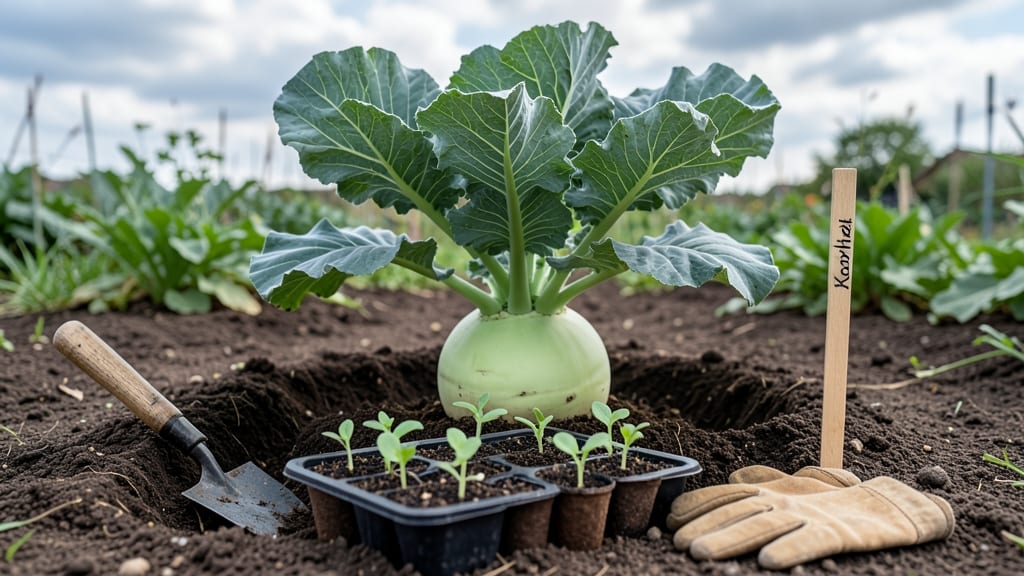
Timing your kohlrabi planting in Zone 9 is the secret to sweet, tender bulbs instead of bitter, tough ones. Unlike other veggies, this cool-loving 🥬 bolts fast when temperatures creep up—so getting the schedule right means the difference between a harvest and a disappointment.
If you're in Southern California, Arizona, or Nevada, you already know summer heat isn't kind to most garden crops. But kohlrabi? It actually thrives when your neighbors are wilting.
The key is planting during those cooler shoulder seasons—late summer or early spring—when temps stay mild enough to prevent bolting while still giving your plants enough time to mature.
I’ve grown kohlrabi in Zone 9 for years, and let me tell you: skipping the summer rush pays off big. A fall planting in September or October gives you harvests by winter, while a spring start in February or March delivers bulbs just as spring veggies are peaking.
The trick is avoiding those scorching midday temps that turn your plants into sad, woody stalks.
Ready to master this? I’ll walk you through the exact planting windows, how to stretch your growing season with shade tricks, and the one mistake that ruins every harvest—so you can finally grow kohlrabi that’s as sweet as it looks.
Optimal planting windows for kohlrabi in Zone 9 to avoid bolting
In Zone 9, where summer temperatures can soar, planting kohlrabi at the right time is everything. This cool-season crop bolts—sending up bitter flower stalks—when soil temperatures exceed 75°F (24°C).
My best advice? Stick to fall and winter plantings when days are cooler and humidity is higher. These windows give your plants the ideal 50-65°F (10-18°C) soil temperatures they crave.
Zone 9’s microclimates add another layer of complexity. Coastal areas like San Diego stay milder year-round, while inland spots like Phoenix experience scorching summers. I’ve found that coastal gardeners can push planting slightly later than inland growers—sometimes even into early spring—but timing is always critical.
Let’s break down the two best planting periods and how to maximize your yield.
⚠️ NON-NEGOTIABLE: The visual element below compares the two planting windows. Use this as your guide to avoid common mistakes.
| Planting Window | Ideal Months | Soil Temp Range | Days to Harvest | Key Considerations |
|---|---|---|---|---|
| Early Fall Planting | Late August - Early October | 55-65°F (13-18°C) | 50-60 days | Avoid September heat waves; use shade cloth if temps rise above 80°F (27°C). |
| Winter Planting | November - February | 50-60°F (10-15°C) | 55-70 days | Ideal for Zone 9b; minimal bolting risk. Use row covers for extra protection in cold snaps. |
| Spring Planting (Risky) | March (coastal only) | 50-60°F (10-15°C) early AM | 45-55 days | Only for coastal areas; harvest before April or risk bolting. |
For fall plantings, start seeds indoors 6-8 weeks before your target outdoor date. I recommend using biodegradable pots to minimize transplant shock. Harden off seedlings by placing them outdoors for 2-3 hours daily for a week before transplanting.
Choose a partially shaded spot if your September temperatures exceed 85°F (29°C)—even an afternoon shade cloth can make all the difference.
Winter plantings are my favorite for Zone 9 because they align perfectly with the crop’s natural growth cycle. Kohlrabi thrives in cool but frost-free conditions, and winter in Zone 9 delivers exactly that.
I’ve had the most success planting in November, giving the bulbs time to mature before spring heat arrives. Use mulch to keep soil temperatures stable and retain moisture—straw or wood chips work best.
If you’re in a coastal Zone 9 area, you might squeeze in a spring planting in March. But here’s the catch: you must harvest by late April before temperatures climb. I’ve tried this with ‘Purple Vienna’ and ‘White Vienna’ varieties—they’re slightly more heat-tolerant than others.
Even then, I recommend using drip irrigation to keep roots cool and avoid overhead watering, which can stress the plants.
For inland gardeners, spring plantings are a gamble. The risk of bolting skyrockets as soil temperatures rise. Instead, focus on fall and winter and consider succession planting every 2-3 weeks during those windows.
This staggered approach ensures a steady harvest without overwhelming your garden space. I’ve found that planting every 10 days in November gives me a continuous supply through February.
One game-changer I’ve discovered is using heat-tolerant varieties. While most kohlrabi bolts at 75°F (24°C), varieties like ‘Kossak’ and ‘Solar’ can handle slightly warmer conditions—up to 80°F (27°C) for short periods.
These are my go-to choices for late-winter plantings when temperatures start to climb. Pair them with afternoon shade, and you’ll extend your harvest window by 2-3 weeks.
Finally, don’t overlook soil preparation. Kohlrabi prefers well-draining, fertile soil with a pH of 6.0-7.0. Amend your beds with compost or aged manure before planting to ensure bulbs develop properly. I also recommend adding a balanced fertilizer (5-10-10) at planting and again when bulbs start forming.
Just be careful not to over-fertilize—too much nitrogen leads to leafy growth at the expense of bulb development.
With the right timing and a few smart strategies, you’ll enjoy tender, sweet kohlrabi bulbs all winter long—no bitter surprises here! 🌱
Optimal planting windows for kohlrabi in Zone 9 to avoid bolting
In Zone 9, where summers are scorching and winters are mild, timing your kohlrabi planting is everything. Unlike frost-sensitive crops, kohlrabi thrives in cool-season temperatures (60–70°F) and bolts when soil temps exceed 75°F.
The key is planting during two optimal windows: late summer for fall harvests and winter for spring production.
For fall harvests, aim to plant kohlrabi in late August to early September. This gives plants time to mature before summer heat returns. In Zone 9b, where nights stay warm, use shade cloth to protect seedlings from afternoon sun.
For spring harvests, sow seeds in January to early February—just as daytime temps begin to dip below 80°F.
📊 Comparison Table: Zone 9 Kohlrabi Planting Windows
| Planting Window | Ideal Months | Soil Temp | Harvest Time | Key Tip |
|---|---|---|---|---|
| Fall Harvest | Late August–Early September | 65–75°F | October–November | Use 30% shade cloth |
| Winter/Spring Harvest | January–Early February | 55–65°F | March–April | Mulch with straw |
If you miss these windows, don’t despair—succession planting works in Zone 9! Sow every 2–3 weeks from September to February to stagger harvests. For example, plant a batch in September, another in October, and a final one in January for continuous production.
For heat-tolerant varieties, try 'Purple Vienna' or 'White Vienna', which handle 80°F better than standard types. These varieties also produce purple-stemmed bulbs, adding visual appeal to your garden. Pair them with radishes or lettuce to maximize space and deter pests.
Remember: Direct sowing is best for kohlrabi—transplants struggle with root shock. Plant seeds ½ inch deep and 1 inch apart, thinning to 4 inches between plants. Keep soil moist but not soggy to prevent bolting triggered by stress.