
Plants
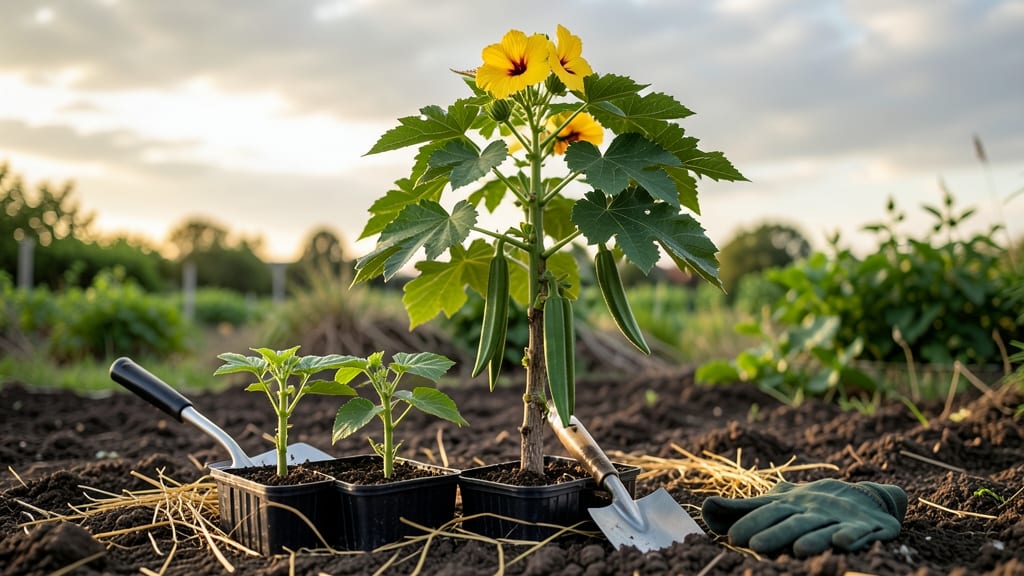
Timing your okra planting in Southern California could mean the difference between a bumper crop and a sad, wilted garden. With coastal breezes and inland heat creating wildly different growing conditions, getting it right is key to success with this heat-loving vegetable.
If you've ever wondered why some gardeners swear by early spring plantings while others wait until summer, it all comes down to your specific microclimate. Coastal areas like San Diego offer a more moderate start, while inland spots near Palm Springs demand a different approach to avoid heat stress.
Let me show you exactly when to plant for your location.
You don't need to guess about soil temperatures or frost dates - Southern California's unique climate means you can actually plant okra year-round with the right strategy.
I'll break down the ideal windows for both coastal and inland regions, plus how to adjust for those sudden heat waves that can sneak up on even experienced gardeners.
Ready to grow your own crisp, fresh okra pods? The secret starts with understanding your local conditions and planting at the perfect moment. Let's get your garden thriving with these location-specific tips that actually work in our diverse climate zones.
Optimal planting windows for okra in coastal vs inland Southern California
Okra thrives in Southern California’s warm climate, but timing matters—especially when comparing coastal areas like San Diego to inland desert regions like Palm Springs. Coastal zones stay milder year-round, while inland areas heat up faster. Let’s break down the best planting windows for each microclimate to maximize your harvest.
In coastal Southern California (e.g., Los Angeles, San Diego), okra seeds can be sown as early as late February to early March. The ocean’s moderating influence keeps soil temperatures stable, allowing seedlings to establish before summer’s peak heat.
Inland areas, however, should wait until mid-April to May to avoid heat stress on young plants.
Here’s the key difference: Coastal okra benefits from a longer growing season due to cooler nights, while inland okra must endure intense afternoon sun and faster soil drying. Both regions share one critical rule: Wait until soil reaches 60°F+—use a soil thermometer to confirm.
| Region | Best Planting Window | Soil Temp Threshold | Heat Tolerance Tip |
|---|---|---|---|
| Coastal (LA, San Diego) | Late February–Early March | 60°F+ (consistent) | Mulch to retain moisture; protect from coastal fog delays |
| Inland (Riverside, Palm Springs) | Mid-April–May | 65°F+ (faster warming) | Choose heat-tolerant varieties like 'Clemson Spineless' |
| Desert (Yuma, Imperial Valley) | March–April (or fall for winter harvests) | 70°F+ (extreme heat) | Shade cloth for seedlings; drip irrigation only |
For coastal gardeners, early planting means earlier harvests in June-July, but watch for coastal fog delays in spring. Inland gardeners should prioritize heat-tolerant varieties like 'Emerald' or 'Burgundy' to survive 100°F+ temperatures. Both regions can enjoy a second planting in late summer (August-September) for fall harvests.
Pro tip: Use black plastic mulch inland to warm soil faster, or straw mulch coastal to prevent temperature swings. This simple trick can shave weeks off your planting timeline!
Okra’s 60-80 day maturity window means coastal plantings often finish by late September, while inland plantings may stretch into November if temperatures stay mild. Plan accordingly to avoid woody pods.
If you’re in a transition zone (e.g., Orange County), split your planting: sow half in March and half in June for staggered harvests. This hedges against unpredictable coastal weather patterns.
Remember: Okra is frost-free year-round in most of SoCal, but high-elevation areas (e.g., Big Bear) may need row covers for late-season protection. Always check your USDA Zone (9b-11) for local nuances.
Start with direct sowing for best results—okra hates transplanting. Drop seeds ½ inch deep, 12 inches apart, and thin to 18 inches for optimal air circulation. Patience pays off: coastal okra may take 10-14 days to germinate, while inland seeds sprout in just 5-7 days.
🌱
How to adjust okra planting for Southern California’s microclimates and heat zones
Southern California’s coastal and inland regions can feel like two different worlds when it comes to gardening. Coastal areas like San Diego and Santa Barbara enjoy milder temperatures and ocean breezes, while inland cities like Riverside and Palm Springs bake under intense summer heat.
Adjusting your okra planting strategy for these conditions is key to a successful harvest.
For coastal gardeners, the longer growing season means you can start seeds as early as late February for an early harvest. In contrast, inland areas should wait until mid-April to avoid heat stress during germination.
Both regions benefit from heat-tolerant varieties like 'Clemson Spineless' or 'Emerald,' which thrive in temperatures up to 95°F.
🌡️ Key Adjustments by Microclimate
- Coastal: Start seeds 2-3 weeks earlier (late Feb) due to cooler nights. Use lightweight mulch to retain moisture from coastal fog.
- Inland: Delay planting until soil reaches 70°F+ (mid-April). Prioritize shade cloth for young plants to prevent heat shock.
- Both: Choose drought-tolerant varieties and water deeply at the base to encourage strong root growth.
One of the biggest challenges in inland areas is heat stress during peak summer months. Okra plants can bolt prematurely or develop bitter pods if exposed to temperatures above 100°F.
To mitigate this, use drip irrigation to keep roots cool and apply a 2-3 inch layer of mulch to insulate the soil. For coastal gardeners, watch for overnight chills, which can stunt growth—consider row covers if temperatures dip below 55°F.
Another pro tip: Succession planting works beautifully in Southern California. In coastal areas, you can stagger plantings every 2-3 weeks from March to June for a continuous harvest. Inland gardeners should limit succession to April and May to avoid overlapping with the hottest months.
This strategy ensures you’re always harvesting fresh pods while avoiding the July-August heat crunch.
Don’t overlook the power of soil preparation. Okra thrives in well-draining soil with a pH between 6.0 and 6.8. Amend your soil with compost and a balanced fertilizer (10-10-10) before planting.
Inland soils often dry out quickly, so incorporate organic matter like coconut coir to improve moisture retention. Coastal soils, meanwhile, may benefit from sand amendments to prevent waterlogging from occasional rains.
Finally, pay attention to pest pressure, which varies by region. Coastal areas may see more aphids due to humid conditions, while inland gardens often struggle with okra borers. Monitor your plants regularly and use neem oil or insecticidal soap at the first sign of trouble.
With these adjustments, you’ll be well on your way to a bountiful okra harvest regardless of whether you’re gardening by the beach or in the desert.