
Companion Plants
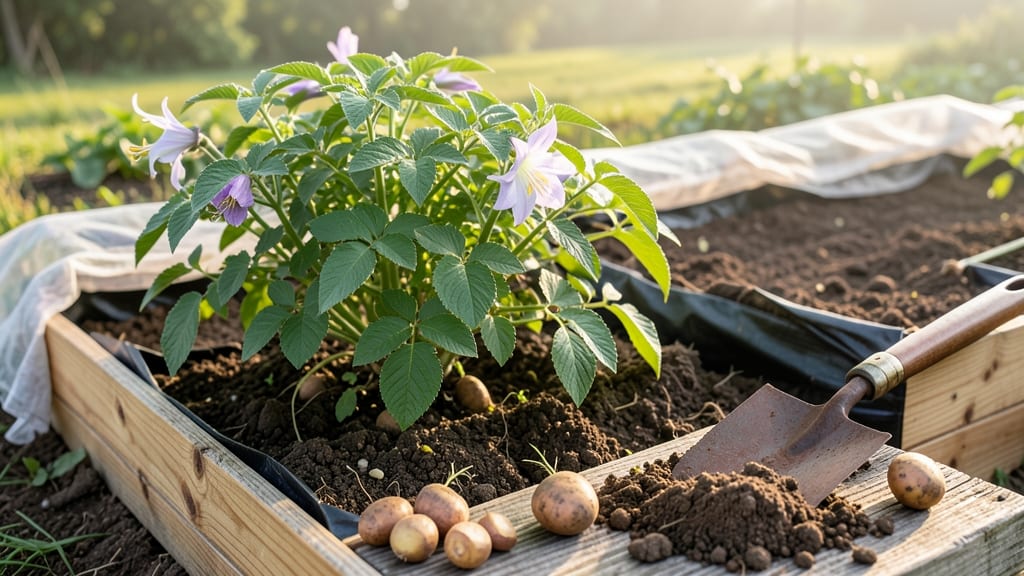
Knowing when to plant potatoes in Michigan makes the difference between a bumper crop of crisp 🥔 and a sad, frost-nipped failure. Michigan’s unpredictable spring weather—with last frosts creeping into mid-April—means timing isn’t just important, it’s everything.
You’ve got about 6 weeks to get your seed potatoes in the ground after the last frost, but rushing or waiting too long can throw off your entire harvest.
Whether you’re in Zone 5b (northern Michigan) or Zone 6b (southern), the right window ensures your tubers mature before fall’s chill sets in.
I’ll break down the exact dates for early, mid-, and late-season planting—plus how to adjust for your local microclimate. We’ll also cover soil prep tricks to give your potatoes a head start, because in Michigan, preparation is just as critical as timing.
Ready to grow potatoes that rival the ones from your favorite farm stand? Let’s dive into the perfect planting schedule for Michigan’s short but sweet growing season.
Michigan potato planting dates by hardiness Zone (2024 guide)
Michigan’s USDA hardiness zones 4-6 create a short but productive potato-growing window. Planting too early risks frost damage, while late planting may mean smaller yields before fall frosts. Understanding your last frost date and soil temperature is key to timing success in Michigan’s variable climate.
Most of Michigan experiences its average last frost between mid-April and early May. However, northern regions like Zone 4 often face later frosts, while southern areas like Zone 6 can plant 2-3 weeks earlier.
Always check your local Michigan State University Extension frost maps for precise dates each year.
Potatoes thrive when soil temperatures reach 45°F (7°C). Use a soil thermometer to confirm readiness—cold soil delays germination. In Zone 5b-6b, this typically aligns with late April to early May, but early varieties can sometimes be planted as early as March under protective covers.
| Zone | Last Frost Date | Ideal Planting Window | Soil Temp Goal | Harvest Window |
|---|---|---|---|---|
| 4 (Northern MI) | May 1-15 | May 15-June 1 | 45°F+ | Late July-Oct 1 |
| 5b (Central MI) | April 20-May 5 | April 25-May 15 | 45°F+ | Late June-Sept 15 |
| 6b (Southern MI) | April 10-20 | April 15-May 1 | 45°F+ | Early June-Oct 10 |
For early-season varieties, you can push planting dates by 2-3 weeks earlier using row covers or cold frames. These methods protect young plants from late frosts while warming the soil faster. Southern Michigan gardeners often plant early potatoes in March under protective covers for a jumpstart.
If you miss the spring window, late-season planting is still possible in Zone 6. Plant late-maturing varieties like Russet Burbank in early June for a fall harvest. However, yields may be smaller, and tubers require extra care to mature before frost.
Always chit your seed potatoes (pre-sprout in light) 4-6 weeks before planting to ensure faster emergence. This is especially critical in Zone 4, where short seasons demand every advantage. Store seed potatoes in a cool, dark place (around 40°F) until ready to plant.
Use black plastic mulch to warm soil faster and suppress weeds. This technique works well in northern Michigan, where cooler soils delay planting. Combine it with straw mulch after plants emerge to retain moisture and regulate soil temperature.
Monitor your local Michigan Agricultural Weather Network for real-time updates on soil temperatures and frost predictions. Adjust your planting schedule if unseasonably cold weather persists, as even Zone 6 can experience late frosts.
Remember, potatoes need 90-120 days to mature. Plant early varieties first (like Red Norland) for the earliest harvests, followed by mid-season (e.g., Kennebec) and late-season (e.g., Russet Burbank) varieties to extend your harvest window.
Best potato varieties for Michigan’s short growing season
Michigan’s short growing season demands potato varieties that mature quickly while thriving in cool soils and variable weather. Early varieties like 'Yukon Gold' deliver crisp, buttery tubers in just 60-70 days, perfect for northern Michigan where summers are brief.
Mid-season picks like 'Red Pontiac' balance yield and disease resistance, ideal for central Michigan gardens.
For southern Michigan gardeners with slightly longer seasons, late varieties such as 'Russet Burbank' shine, offering larger tubers for storage—but require careful timing to avoid early fall frosts. Always prioritize disease-resistant varieties like 'Kennebec' or 'LaSoda' to combat Michigan’s damp springs and humid summers.
🥔
| Variety | Maturity (Days) | Best For | Disease Resistance | Notes |
|---|---|---|---|---|
| Yukon Gold | 60-70 | Northern MI, containers | Moderate | Buttery, early harvest |
| Red Pontiac | 75-85 | Central MI, raised beds | High | Classic red skin, stores well |
| Russet Burbank | 90-110 | Southern MI, long seasons | Moderate | Large tubers, needs warm soil |
| Kennebec | 80-90 | All zones, wet soils | Very High | Rugged, stores 6+ months |
| LaSoda | 70-80 | Organic gardens | Excellent | Disease-resistant, great for organic |
Container gardeners should opt for compact varieties like 'Fingerling' potatoes, which thrive in 5-gallon buckets and mature in 70-80 days. These varieties tolerate urban microclimates and can be planted 2-4 weeks later than traditional in-ground potatoes, extending your harvest window.
When selecting varieties, consider soil type: sandy soils in western Michigan drain quickly, favoring moisture-retentive types like 'Chieftain', while clay-heavy soils in eastern Michigan benefit from 'Adirondack Red', which handles compacted soil better.
Always chit (sprout) seed potatoes indoors 4-6 weeks before planting to jumpstart growth in Michigan’s cool springs.
For second-crop potatoes, plant mid-season varieties like 'Minnesota Midget' in late June after harvesting the first crop. This succession planting trick maximizes your yield in Michigan’s limited growing window.
🌱