
Companion Plants
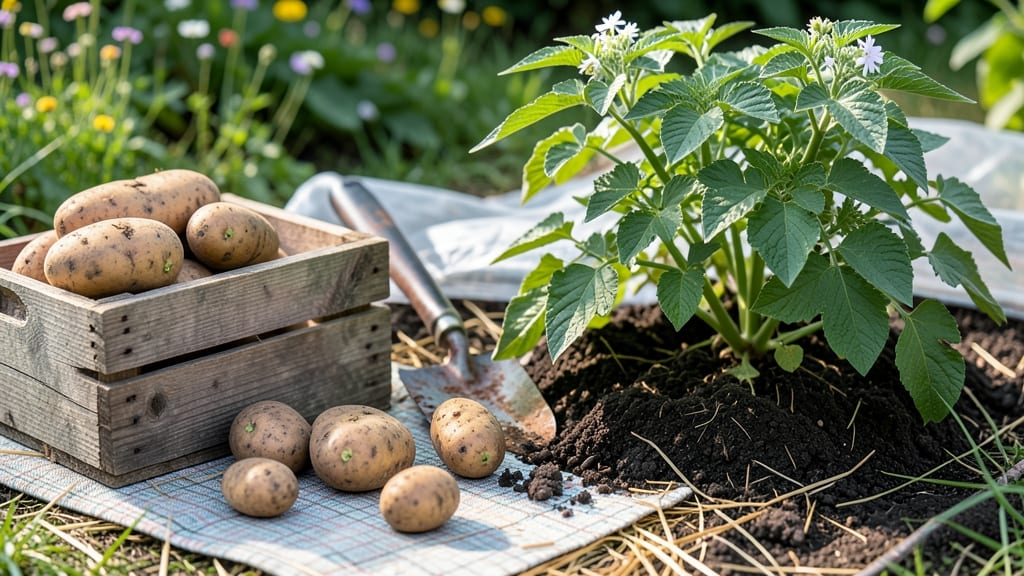
Timing when can I plant potatoes in Zone 5 wrong could mean tiny tubers or no harvest at all—and with Zone 5’s unpredictable springs, getting it right is everything.
You’ve got just 165 frost-free days to work with, so planting too early risks frost damage, while waiting too late cuts your harvest window short.
The key is planting 2-4 weeks before your last frost date (around mid-April in most of Zone 5), but soil temperature matters just as much as calendar dates. Aim for 45°F+—cold soil slows sprouting, and you don’t want your potatoes sitting in chilly earth waiting for warmth.
This guide breaks down exactly when to plant—whether you’re growing early varieties under frost protection or sticking to traditional spring schedules. We’ll also cover how to adjust for late frosts, choose the right varieties, and prep your soil for maximum yields.
Skip the guesswork: Learn the frost-proof timing that separates a bountiful harvest from a wasted season. Let’s get those spuds in the ground the right way.
Optimal planting dates for potatoes in Zone 5 based on soil temperature
Timing is everything when planting potatoes in Zone 5, where frost can linger well into spring. Your goal is to plant when soil temperatures hit 40°F-50°F—this ensures tubers grow steadily without rotting in cold, wet soil.
In most of Zone 5, this window opens around late March to early April, but exact dates depend on microclimates and elevation.
Use a soil thermometer to confirm readiness—planting too early in cold soil can stunt growth or invite disease. If your soil stays below 45°F for weeks, consider early-maturing varieties or extend your season with protective measures.
The last frost date (typically April 15 in Zone 5) is a starting point, but soil temperature is the true indicator.
| Planting Stage | Zone 5 Timeline | Soil Temp Requirement | Key Action |
|---|---|---|---|
| Pre-Planting Prep | Late February - Early March | N/A (Indoor chitting) | Chit seed potatoes indoors (place in light, 60°F) |
| Early Planting | Late March - Early April | 40°F - 45°F | Plant seed potatoes 4" deep, 12" apart |
| Standard Planting | Mid-April - Early May | 45°F - 50°F | Plant with row covers if frost threatens |
| Late Planting (Risky) | After May 15 | 50°F+ (with protection) | Use fast varieties (e.g., 'Early Red') with heavy mulch |
| Harvest Window | Mid-July - Late August | N/A (Soil temp rises) | Harvest when foliage yellows (70-120 days after planting) |
For early varieties, aim to plant by April 1 to harvest by mid-July before heat stress sets in.
Late varieties can go in until May 15, but they’ll need 90-120 days to mature—push your luck too far, and you risk tubers not fully developing before the first frost (October 15 in Zone 5).
Pro tip: If your spring is unusually cold, try straw mulch over planted rows to insulate soil and speed warming. This buys you 1-2 weeks of flexibility. Just avoid mulching too early—wait until sprouts appear to prevent rot.
Zone 5 gardeners often double up on planting: start with early varieties in March for a July harvest, then add maincrop types in April for an August-September yield. This staggered approach maximizes your harvest window and reduces waste from overproduction.
One common mistake? Planting based on air temperature instead of soil temp. A 60°F day might feel warm, but if the soil is still 40°F, your potatoes will languish. Invest in a $10 soil thermometer—it’s the best $10 you’ll spend this season.
If you’re in a higher-elevation area of Zone 5 (e.g., Colorado, Wyoming), plant 2-3 weeks later than coastal regions. Cool mountain air keeps soil cold longer, so adjust your timeline accordingly. Check your local USDA Plant Hardiness Zone map for precise microclimate data.
For container growers, soil warms faster in pots, so you can plant 2 weeks earlier than in-ground. Just ensure pots have drainage holes and use a lightweight potting mix to prevent compaction. Five-gallon buckets work well for 1-2 plants each.
Remember: Potatoes are cool-season crops, but they hate heat. Plant too late, and your tubers may develop hollow heart or scab from stress. Balance timing with variety selection—early maturing types are your best friend in Zone 5.
Optimal planting dates for potatoes in Zone 5 based on soil temperature
In Zone 5, timing your potato planting is all about balancing soil temperature and frost dates. The ideal window starts when soil reaches 40°F-50°F, typically 2-4 weeks before your last frost date.
For most Zone 5 gardeners, this lands in late March to early April, but exact timing varies by microclimate.
Early varieties like 'Early Red' can handle cooler soils, while later types such as 'Russet' need warmer conditions. Planting too early risks cold soil slowing germination, while waiting too long cuts harvest time before frost. Use a soil thermometer to confirm readiness—45°F is the sweet spot for most varieties.
| Stage | Action | Soil Temp | Zone 5 Timeframe |
|---|---|---|---|
| Prep Seed Potatoes | Chit cut ends (3-4 weeks before planting) | Indoor (60°F) | Late February |
| Plant Early Varieties | 4" deep, 12" apart; cover with 2" soil | 40°F-45°F | Late March |
| Plant Late Varieties | 4" deep, 12" apart; add mulch | 45°F-50°F | Early April |
| Hill Soil | When plants reach 6"; repeat every 2 weeks | 50°F+ | May-June |
| Harvest | When foliage yellows; dig tubers | N/A | July-August |
For Zone 5 gardeners, late frosts are a real threat. If your area has a history of late April frosts, consider using row covers or planting in containers for earlier harvests.
Early varieties like 'Kennebec' mature in just 70 days, giving you a buffer if spring drags on.
Pro tip: Plant a second crop in early June for fall harvests. Choose fast-maturing varieties like 'Red Norland' (85 days) to beat the October frost. Just be sure to use frost-resistant mulch to protect emerging tubers.
Remember, soil temperature is more critical than air temperature. A 50°F soil can support planting even if air temps dip to 35°F—just cover seedlings if frost threatens. Always monitor your garden's microclimate for the most accurate timing.
🌱