
Companion Plants
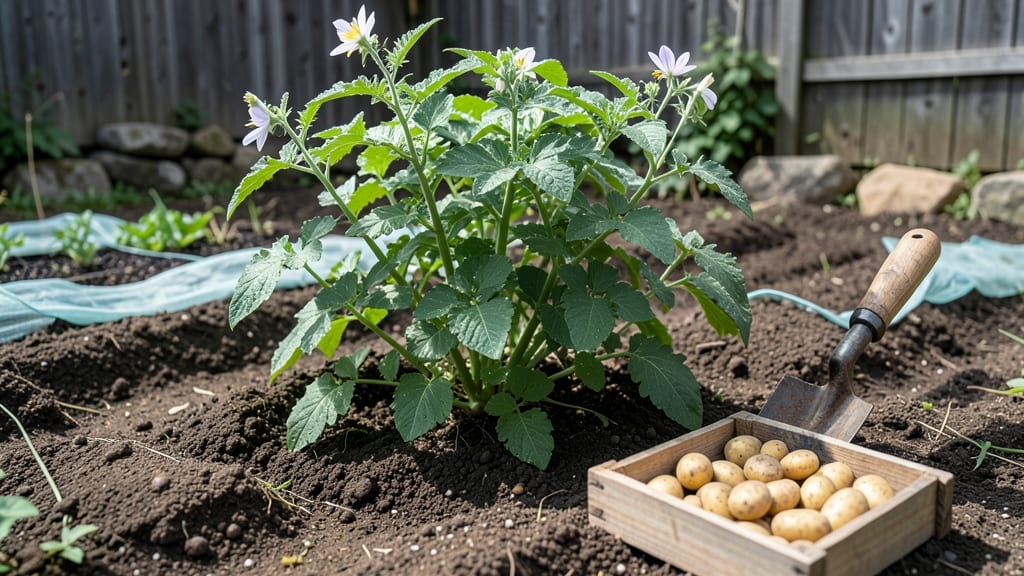
Knowing when to plant potatoes in Zone 6 isn't just about avoiding frost—it's about unlocking the full potential of your 🥔 harvest. Too early, and your tubers will rot in cold soil; too late, and you'll miss the sweet spot for maximum yield.
The secret lies in timing it perfectly, 4-6 weeks before your last frost, when soil temperatures hit that critical 45°F threshold.
I've learned the hard way that rushing the process leads to stunted plants or wasted seed potatoes. But here's the good news: with the right schedule, you can enjoy homegrown spuds that rival store-bought quality—and often taste better.
Whether you're a seasoned gardener or just starting, this guide will help you navigate Zone 6's unique challenges, from soil prep to frost timing.
We'll break down exactly when to plant your seed potatoes for early, mid-season, and late varieties, plus how to adjust for raised beds or containers. You'll discover how chitting (pre-sprouting) gives your potatoes a head start and why soil temperature matters more than calendar dates.
Let's get your potato patch off to the best possible start.
By the end, you'll have a clear planting timeline tailored to your specific Zone 6 location, plus pro tips to avoid common mistakes that derail even the most enthusiastic gardeners. Ready to grow potatoes that'll make your neighbors jealous? Let's dig in.
Zone 6 potato planting timeline: exact weeks before last frost for best growth
Planting potatoes in Zone 6 requires precision—get the timing wrong, and you’ll face frost damage or slow growth. The golden rule? Plant 4-6 weeks before your last frost date, when soil temperatures hit 45°F (7°C).
For most of Zone 6, this means early March to mid-April, but exact dates vary by microclimate.
Your last frost date is the starting point, but soil warmth is the real game-changer. Cold soil delays sprouting, leaving potatoes vulnerable to late frosts. Use a soil thermometer to confirm readiness—don’t rely on air temperature alone.
In Zone 6a, aim for March 15-April 1, while Zone 6b gardeners can plant slightly later, around March 25-April 10.
Potato varieties also play a role. Early varieties like 'Yukon Gold' or 'Red Norland' can handle cooler soils and should go in first. Mid-season types like 'Kennebec' follow 2-3 weeks later, while late varieties like 'Russet Burbank' need warmer soil and go in last.
Planning your planting sequence ensures a staggered harvest and maximizes garden space.
Raised beds warm up faster than in-ground soil, giving you a 2-3 week head start. If you’re using containers, start planting 1-2 weeks earlier since they heat up quicker. Just ensure containers have drainage holes to prevent waterlogging, which can rot tubers.
🥔 Zone 6 Potato Planting Comparison
| Variety Type | Planting Window | Days to Maturity | Soil Temp Requirement | Best For |
|---|---|---|---|---|
| Early (e.g., 'Yukon Gold') | March 15-April 1 (Zone 6a) / March 25-April 5 (Zone 6b) | 60-90 days | 45°F+ | Quick harvests, cool soils |
| Mid-season (e.g., 'Kennebec') | April 1-April 15 (Zone 6a) / April 5-April 20 (Zone 6b) | 90-110 days | 50°F+ | Staple crop, storage |
| Late (e.g., 'Russet Burbank') | April 15-April 30 (Zone 6a) / April 20-May 5 (Zone 6b) | 110-120 days | 55°F+ | Large tubers, baking |
| Container Grown | March 20-April 10 (1-2 weeks earlier) | 60-100 days (varies) | 45°F+ (faster warming) | Small spaces, patios |
Note: Adjust dates based on your specific last frost date (check USDA frost maps).
For organic gardeners, chitting potatoes (pre-sprouting in light) gives them a 1-2 week advantage. Place seed potatoes in a cool, bright spot 4-6 weeks before planting—they’ll sprout faster once in the ground. This is especially useful for late varieties, which need every warm day to mature.
Another pro tip: Plant in succession every 2 weeks for a continuous harvest. Start with early varieties, then add mid- and late-season types. This spreads out your workload and ensures you’re not overwhelmed with harvesting all at once. Just mark your planting dates on a calendar to stay organized!
Mulching with straw or grass clippings after planting helps retain soil moisture and warmth, which is critical in Zone 6’s unpredictable spring weather. Aim for a 2-3 inch layer once sprouts emerge. Avoid mulching too early—cold, wet soil can rot seed potatoes.
Finally, don’t forget about fall planting for a second crop! In Zone 6, you can plant Irish potatoes or fingerlings in late July for a harvest before the first frost (usually mid-October). These varieties mature quickly (60-80 days) and thrive in cooler soil, making them perfect for late-season gardening.
Timing is everything when it comes to potatoes in Zone 6. By following this 4-6 week buffer before your last frost and adjusting for soil temperature and variety type, you’ll set yourself up for a bountiful, stress-free harvest. 🌱
5 Critical factors that determine your Zone 6 potato planting success
Planting potatoes in Zone 6 isn’t just about counting weeks before the last frost—it’s about understanding soil temperature, variety maturity, and microclimate conditions. I’ve learned the hard way that even a few degrees or days can make or break your harvest.
Let’s break down the five critical factors that separate successful potato growers from those who end up with blight or stunted tubers.
First, soil temperature is non-negotiable. Potatoes need soil that’s at least 45°F (7°C) to sprout consistently. Cold soil delays germination and invites rot. Use a soil thermometer to check—if it’s below 45°F, wait.
In Zone 6, this usually means planting no earlier than late March to early April, depending on your exact sub-zone (6a vs. 6b).
Second, chitting your seed potatoes gives them a head start. Place your potatoes in a cool, bright spot (like a sunny windowsill) 4-6 weeks before planting. When sprouts are 1-2 inches long, they’ll hit the ground running.
I’ve seen chitted potatoes emerge in half the time of unchitted ones—a game-changer for short growing seasons.
| Factor | Zone 6 Ideal Range | What Happens If Wrong? |
|---|---|---|
| Soil Temperature | 45°F+ (7°C+) | Slow germination, rot, stunted growth |
| Planting Depth | 4-6 inches deep | Shallow = green tubers (toxic), deep = poor yield |
| Spacing | 12-15 inches apart | Crowded = disease spread, poor airflow |
| Sunlight | 6+ hours daily | Leggy plants, small tubers, weak growth |
| Variety Maturity | Early: 60-90 days; Late: 110+ days | Late varieties may not mature before frost |
Third, container gardening changes the rules. If you’re growing in pots, use at least 12-inch-deep containers and plant 2-3 weeks earlier than in-ground. Containers warm up faster, but they also dry out quicker.
I’ve had great success with black plastic pots because they absorb heat—just don’t forget to water them daily until established.
Fourth, early vs. late varieties dictate your planting window. Early varieties like ‘Yukon Gold’ (90 days) can handle a late start, but late varieties like ‘Russet’ (120+ days) need to go in by early April in Zone 6.
Mixing both gives you a staggered harvest, but timing is everything. Pro tip: Plant early varieties first, then late ones 2-3 weeks later.
Finally, avoid these common mistakes that sabotage Zone 6 growers: planting too early (cold soil = rot), ignoring hilling (exposes tubers to light = green, toxic potatoes), and over-fertilizing with nitrogen (big leaves, small tubers).
Instead, focus on balanced fertilizer (like 10-10-10) and regular hilling every 2-3 weeks to encourage tuber formation.
Master these five factors, and you’ll turn Zone 6’s short growing season into a potato-growing powerhouse. Start with soil temperature, chit your seeds, pick the right containers or beds, match varieties to your timeline, and steer clear of rookie errors. Your future harvest will thank you! 🥔