
Companion Plants
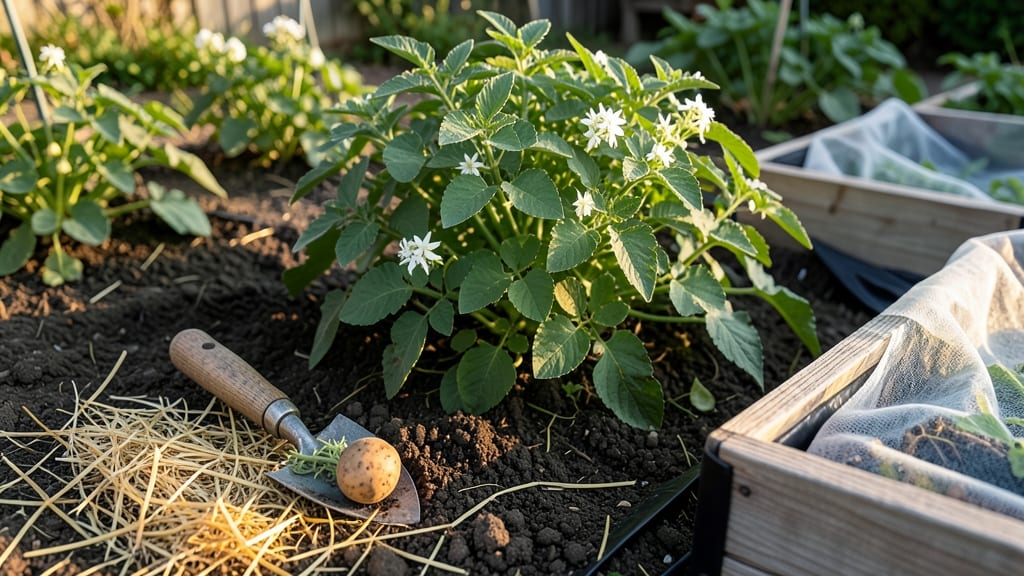
If you're wondering "when can I plant potatoes in Zone 5b", timing is everything—get it wrong, and you might end up with shrivelled tubers or worse, a total flop.
The good news? With the right approach, you can enjoy a bountiful harvest of crisp, homegrown 🥔 every year, no matter how unpredictable spring can be.
In Zone 5b, the ideal window opens just 2-4 weeks before your last frost date, which typically lands around mid-April. But here's the catch: soil temperature matters just as much as calendar dates.
Potatoes thrive when the ground warms to 45-50°F, so don't rush—waiting for that perfect moment makes all the difference.
I've learned the hard way that planting too early risks frost damage, while waiting too long cuts your harvest short. The secret? Chitting your seed potatoes ahead of time and monitoring soil conditions. This ensures your 🥔 start strong and grow with confidence, even if Mother Nature throws a curveball.
Ready to master the timing? I'll walk you through exactly how to calculate your frost dates, adjust for early vs. late varieties, and even extend your growing season for a second harvest. Let's get those spuds in the ground the right way—zero risk, all reward.
Exact weeks before last frost to plant potatoes in Zone 5b for maximum success
Getting your potato planting timed right in Zone 5b means the difference between a bountiful harvest and wasted effort. The key window is 2-4 weeks before your last frost date, which for most of Zone 5b falls between mid-April and mid-May.
This timing ensures your seed potatoes sprout before the soil warms to their ideal 45-50°F range.
Why this timing? Potatoes are cool-season crops that thrive when soil temperatures are consistently above 45°F. Planting too early risks frost damage to tender sprouts, while planting too late delays harvests.
In Zone 5b, where the last frost average is around April 15, aim to plant your seed potatoes between March 25 and April 15 for best results.
Here’s the critical rule: Soil temperature matters more than air temperature. Use a soil thermometer to confirm your garden bed has reached at least 45°F before planting. If your soil is still cold, wait—potatoes won’t sprout until conditions are right. Patience here prevents rot and stunted growth.
For Zone 5b gardeners, another pro tip: Chit your seed potatoes 4-6 weeks before planting. Place them in a bright, cool spot (like a sunny windowsill) to encourage sprout growth.
This head start means faster emergence once soil warms, giving you a 2-3 week advantage in the growing season.
If you’re unsure about your last frost date, check your local USDA frost maps or use a frost calendar for your specific city. For example, Chicago’s last frost averages April 20, while Boston’s is around April 15.
Planting 2-4 weeks before these dates ensures your potato plants establish roots before any late frosts.
Don’t forget: Zone 5b allows for fall planting too! If you want a second harvest, plant late August to early September for tubers to mature before the first frost in October. This strategy extends your harvest window and reduces garden space competition.
Here’s my foolproof planting schedule for Zone 5b:
- Chit seed potatoes (March 1-15)
- Test soil temperature (should reach 45°F+)
- Plant 2-4 weeks before last frost (March 25-April 15)
- Harvest 90-120 days later (late June-early July)
- Optional fall planting (late August-early September)
One last tip: Use row covers if late frosts threaten. These protect young plants without stunting growth, giving you extra flexibility with your planting window. With the right timing, you’ll enjoy homegrown potatoes all season long!
🥔 Zone 5b Potato Planting Timeline
| Stage | Action | Zone 5b Timing |
|---|---|---|
| Prep Seed Potatoes | Chit in bright, cool spot | March 1-15 |
| Test Soil | Use thermometer (45°F+) | March 15-April 1 |
| Plant Spring | 2-4 weeks before last frost | March 25-April 15 |
| Harvest Spring | 90-120 days after planting | Late June-early July |
| Plant Fall | Late August-early September | August 20-September 5 |
| Harvest Fall | Before first frost | October-November |
🌱 Pro Tip: Mark your calendar with local frost dates for precise timing!
Now that you’ve got your planting window locked in, let’s talk about how to adjust for different potato varieties. Early varieties like red potatoes can handle cooler soils, while late varieties like Russets need warmer conditions.
I’ll cover those details in the next section—plus how to stagger plantings for a continuous harvest!
Remember: Zone 5b’s short growing season means every day counts. By planting at the right time and using these strategies, you’ll avoid common pitfalls and enjoy a flourishing potato patch all season.
How to adjust potato planting time in Zone 5b for early varieties vs late varieties
Zone 5b gardeners can double their potato harvest by planting early, mid-season, and late varieties at different times. The key is matching each variety’s maturity timeline with your local frost dates.
For example, red potatoes (like 'Early Red') mature in just 60-70 days, while Russets need 90-120 days—so their planting windows must differ.
Staggering plantings also lets you harvest continuously from late June through October. I’ve found that planting early varieties 2-3 weeks before the last frost (around mid-April in Zone 5b) and late varieties 4-6 weeks after the last frost (around mid-May) works perfectly for my garden.
This ensures no overlap in harvest times.
For fall harvests, you can even plant late varieties again in late August. These potatoes grow quickly in the cool fall weather and mature before the first frost. Just be sure to use cold-hardy varieties like 'Kennebec' or 'Yukon Gold' for fall plantings—they handle shorter growing seasons better.
| Variety Type | Days to Maturity | Zone 5b Planting Window | Harvest Time |
|---|---|---|---|
| Early (e.g., 'Early Red') | 60-70 days | Mid-April to early May | Late June to early July |
| Mid-season (e.g., 'Yukon Gold') | 70-90 days | Late April to mid-May | Mid-July to early August |
| Late (e.g., 'Russet') | 90-120 days | Mid-May to early June | Late August to October |
| Fall (e.g., 'Kennebec') | 80-100 days | Late August to early September | October to November |
If you’re short on space, consider succession planting—planting a new batch of early varieties every 2-3 weeks after the first planting. This keeps your harvest going for weeks without needing extra garden real estate.
I’ve used this method to extend my harvest from June through September with just a single bed!
One pro tip: Chit your seed potatoes before planting late varieties. This speeds up germination and ensures they’re ready to grow when the soil warms up. Place your seed potatoes in a bright, cool spot (around 50°F) for 2-4 weeks before planting.
You’ll see sprouts emerge, which means faster growth once in the ground.
Finally, don’t forget to hill your potatoes as they grow—especially for late varieties. This protects tubers from sunlight (which turns them green and toxic) and encourages more production. Aim to hill every 2-3 weeks until the plants flower, then stop to avoid disturbing the tubers before harvest.