
Flowers
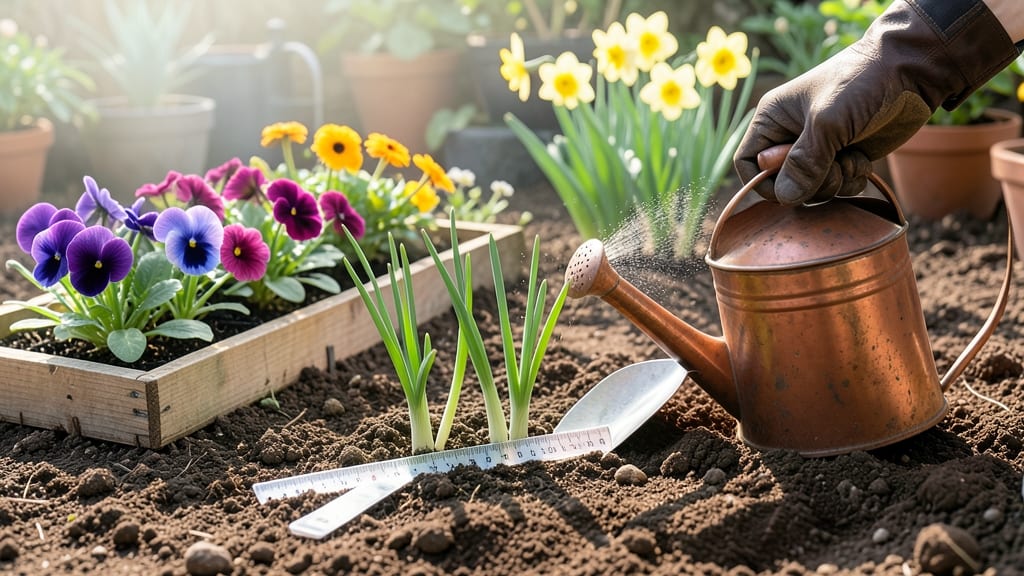
Spring flower planting deadlines by USDA zone: week-by-week breakdown
Timing your spring flower planting is all about reading your USDA zone and local frost patterns. In Zone 5, for example, the average last frost date is April 15, while Zone 9 gardeners can start as early as February.
Missing these windows means risking frost damage or stunted growth—so let’s break it down by zone and flower type.
Cold-hardy annual flowers like pansies and snapdragons can handle light frosts, but tender varieties such as petunias and marigolds need to wait until soil temperatures hit 60°F.
Perennials and bulbs, like tulips and daffodils, often go in the ground even earlier, sometimes in late fall or early spring, depending on your climate.
Here’s a zone-by-zone guide to help you pinpoint the exact weeks to plant, plus key risks to watch for in your region.
Use your local frost clock or check the National Weather Service for real-time updates. If your spring runs late, don’t panic—we’ll cover backup strategies in the next section to keep your flowers thriving.
For Zone 6a (like many Midwest gardeners), aim to plant cold-hardy annuals by April 1 and tender varieties after May 1. Perennials like tulips can go in as early as March, while petunias need to wait until soil warms.
Always test soil temperature with a soil thermometer—it’s the most accurate way to avoid frost damage.
Pro tip: In Zone 5, if you’re unsure about frost dates, start pansies and calendulas indoors in March and transplant after the last frost. This gives you a head start on color and reduces the risk of losing seedlings to late frosts.
If you’re in a warmer zone (7-10), you can plant tender annuals as early as January, but be mindful of heat waves. Succession planting every 2-3 weeks ensures continuous blooms all season.
For example, in Zone 9, plant marigolds in January, cosmos in February, and zinnias in March.
Remember, bulbs like daffodils and tulips are planted in fall for spring blooms, but if you missed that window, many can also be planted in early spring (by March in most zones). Just water them deeply after planting to encourage root growth before summer heat arrives.
For container gardening, you can extend your planting window by 2-4 weeks since pots warm up faster than the ground. Place containers in south-facing spots and use heat mats if needed to jumpstart growth in cooler zones.
🌱
How to adjust planting timing for late springs or unpredictable weather
Even the most experienced gardeners face late springs or unpredictable frost, but with the right strategies, you can still coax vibrant blooms from your garden. The key is adapting your approach based on soil temperatures, weather forecasts, and plant hardiness.
Don’t let a delayed spring derail your flower dreams—here’s how to stay ahead of the game.
First, check your local frost dates using tools like the National Weather Service or CoCoRaHS network. If your last frost date slips by 2-3 weeks, shift your planting schedule accordingly.
For example, if your usual mid-April window turns into late May, opt for heat-tolerant annuals like zinnia or portulaca, which thrive in warmer conditions.
🌱 Pro Tip: Start cold-hardy annuals like pansies or snapdragons indoors 6-8 weeks before your adjusted last frost date. This gives them a head start and increases their resilience to late-season chills.
🌡️ 3 Signs Your Spring Is Running Late (And How to Compensate)
- ❄️ Delayed snowmelt: If snow lingers past your usual March thaw, delay planting until soil warms to 50°F+. Use row covers to protect early seedlings.
- 🌬️ Unseasonable cold snaps: Monitor 7-day forecasts. If frost is predicted, cover tender plants with frost cloth or move pots indoors.
- 🌱 Slow soil warming: Test soil temperature with a thermometer. Wait until it hits 60°F for most annuals or 55°F for cool-season flowers.
For delicate perennials or bulbs, consider using cold frames or mini greenhouses to create a microclimate. These low-cost structures can extend your planting window by 3-4 weeks by trapping heat during the day and insulating at night.
Even a simple clear plastic bottle cut in half and placed over seedlings can make a difference.
If your spring is exceptionally late, pivot to heat-loving flowers like lantana, celosia, or sunflowers. These varieties not only tolerate warmth but often bloom faster in hot conditions. Pair them with drought-tolerant ground covers like sedum to reduce watering stress during delayed planting.
Finally, always have a backup plan. Keep a few potted flowers ready to transplant if your outdoor conditions remain unstable. Containers give you flexibility to move plants to sheltered spots or even indoors if a late frost threatens.
With these adjustments, you’ll turn unpredictable weather into an opportunity for a longer, more resilient blooming season.